DevOps
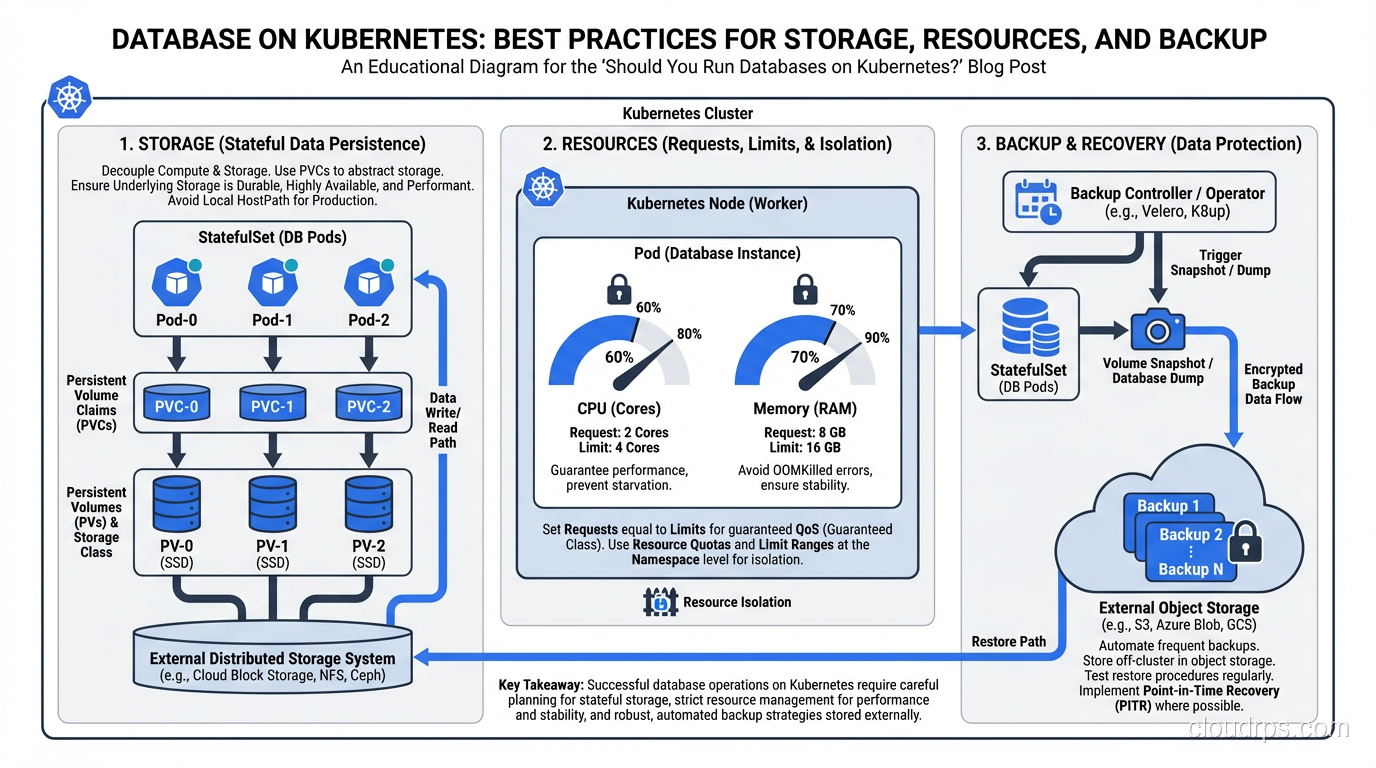
Should You Run Databases on Kubernetes? A Honest Assessment
An honest assessment of running databases on Kubernetes from someone who's tried it. When it works, when it doesn't, and what you need to get right.
An honest assessment of running databases on Kubernetes from someone who's tried it. When it works, when it doesn't, and what you need to get right.
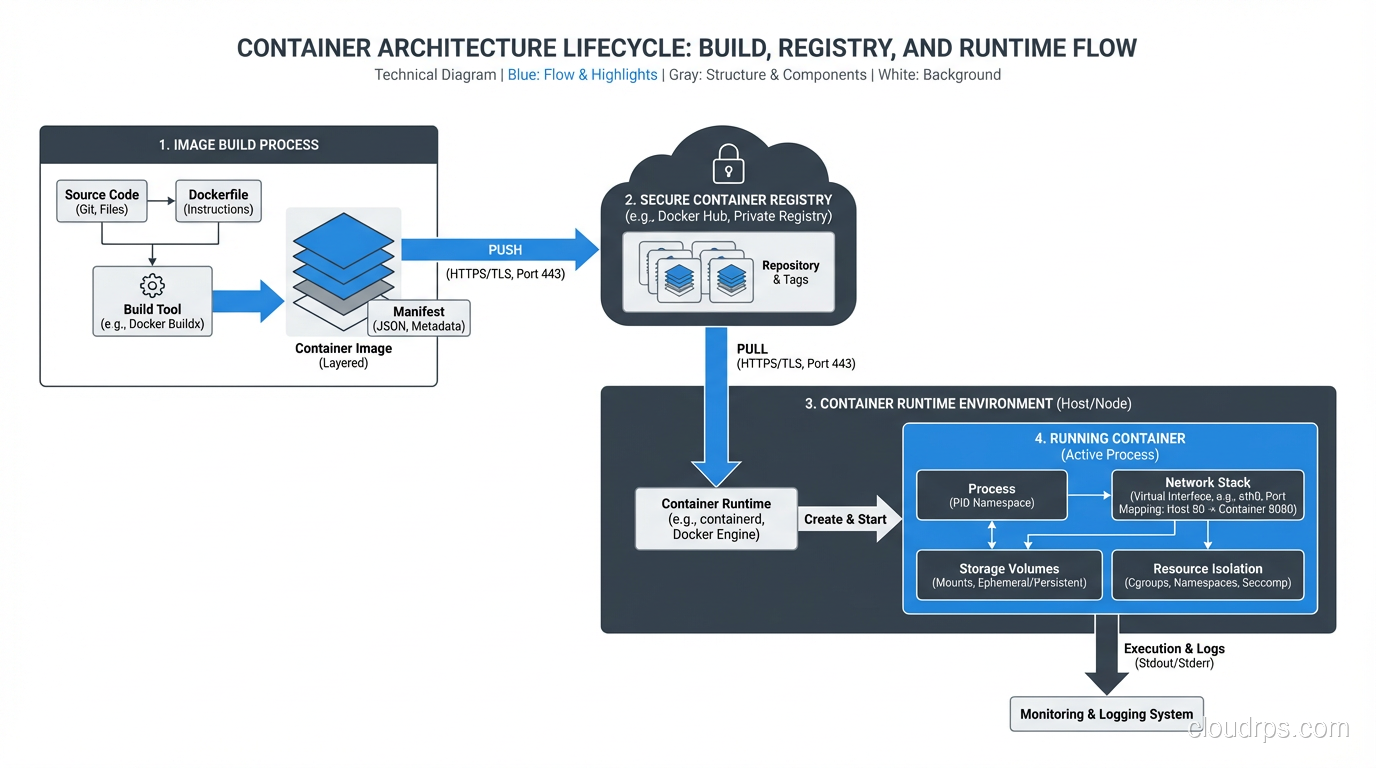
A senior architect's honest take on Kubernetes, Docker, and containers. What they are, when you need them, and when you absolutely don't.
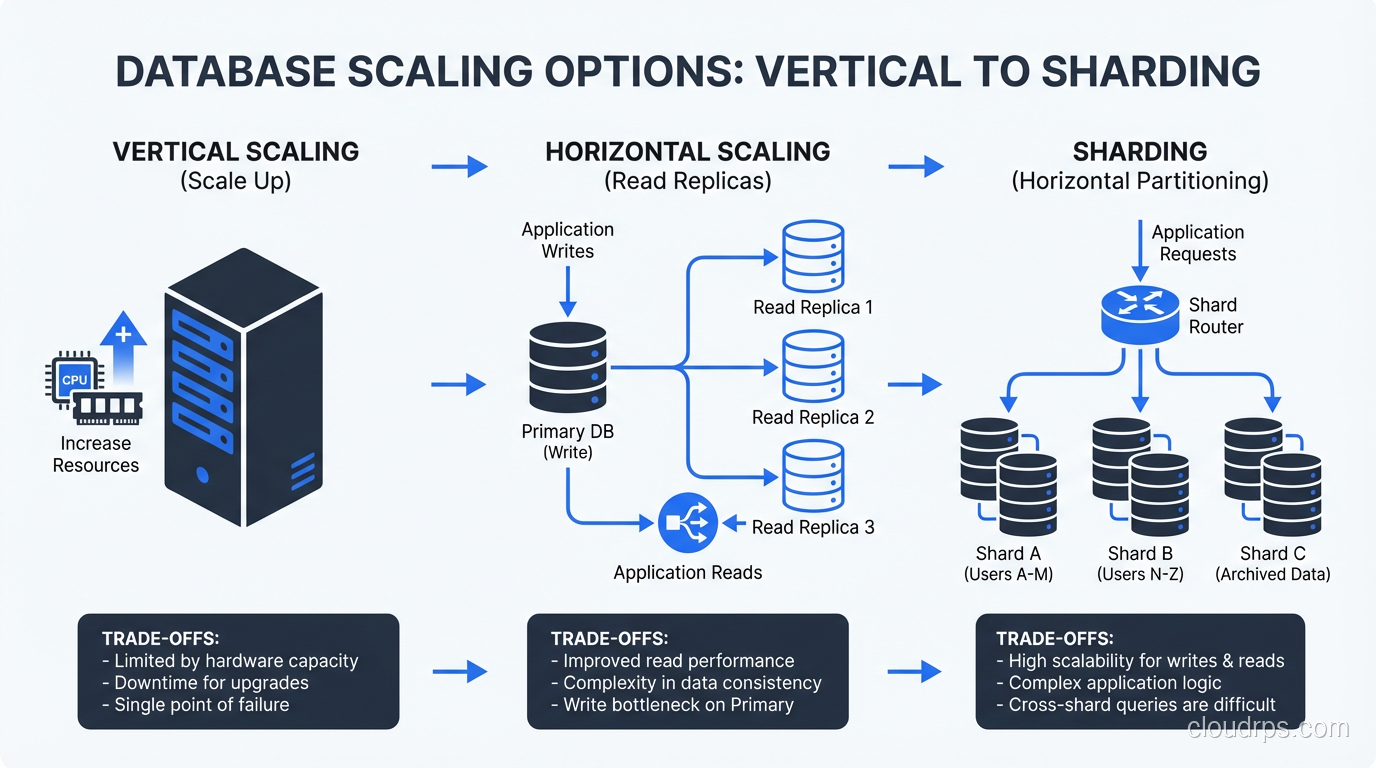
A practical guide to scaling web applications from an architect who's done it at every stage. From single server to distributed systems serving millions.
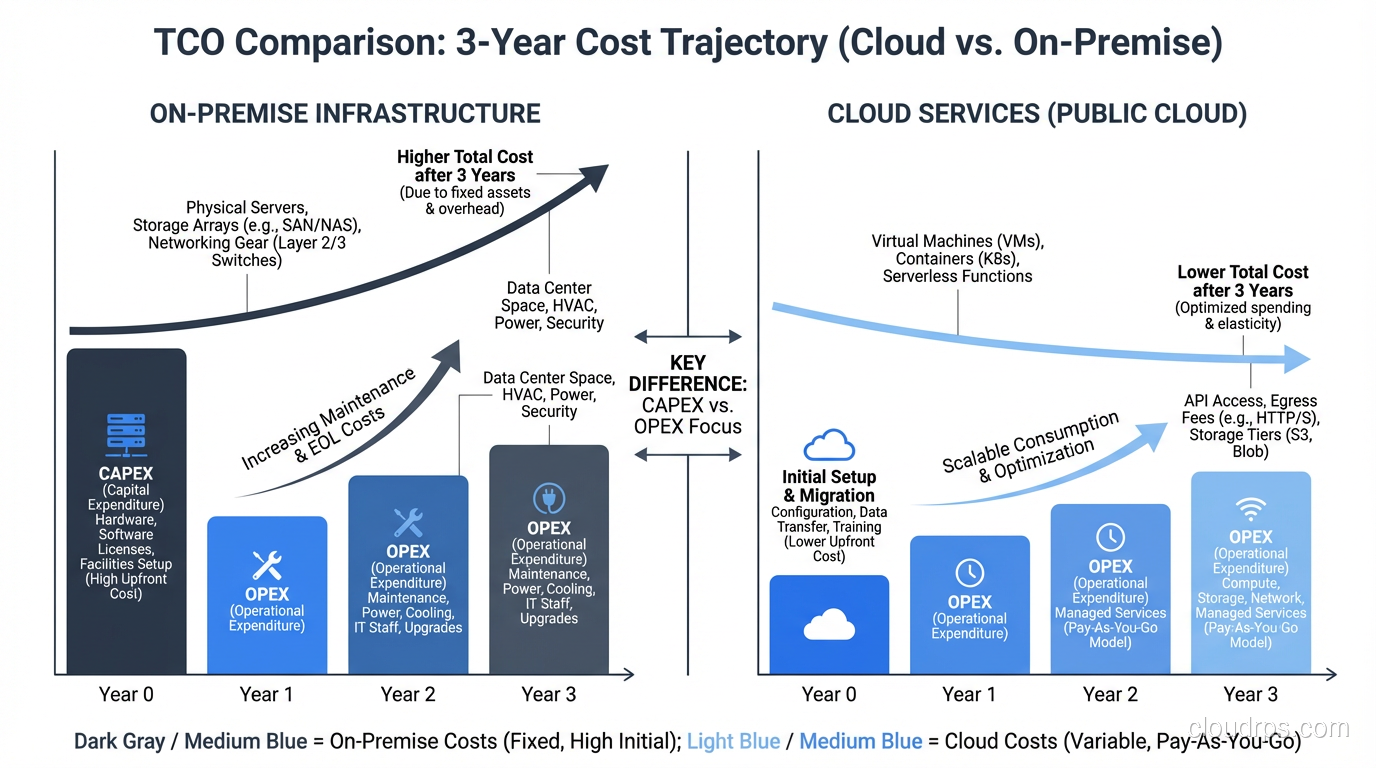
How to calculate total cost of ownership for cloud computing from an architect who's done it wrong and learned the hard way. Real costs, hidden costs, and how to compare.
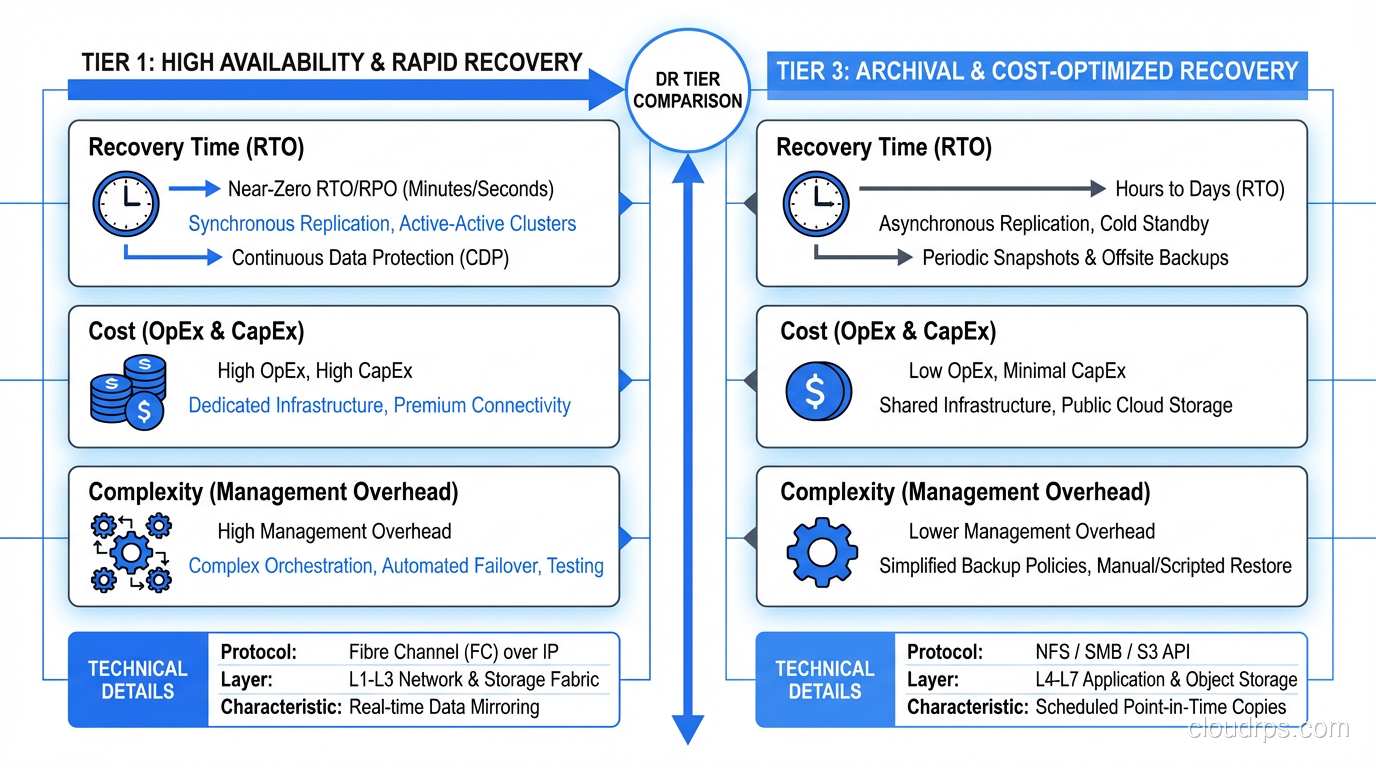
A practical disaster recovery planning guide from an architect who's survived real disasters. Strategies, tier models, testing frameworks, and playbooks.
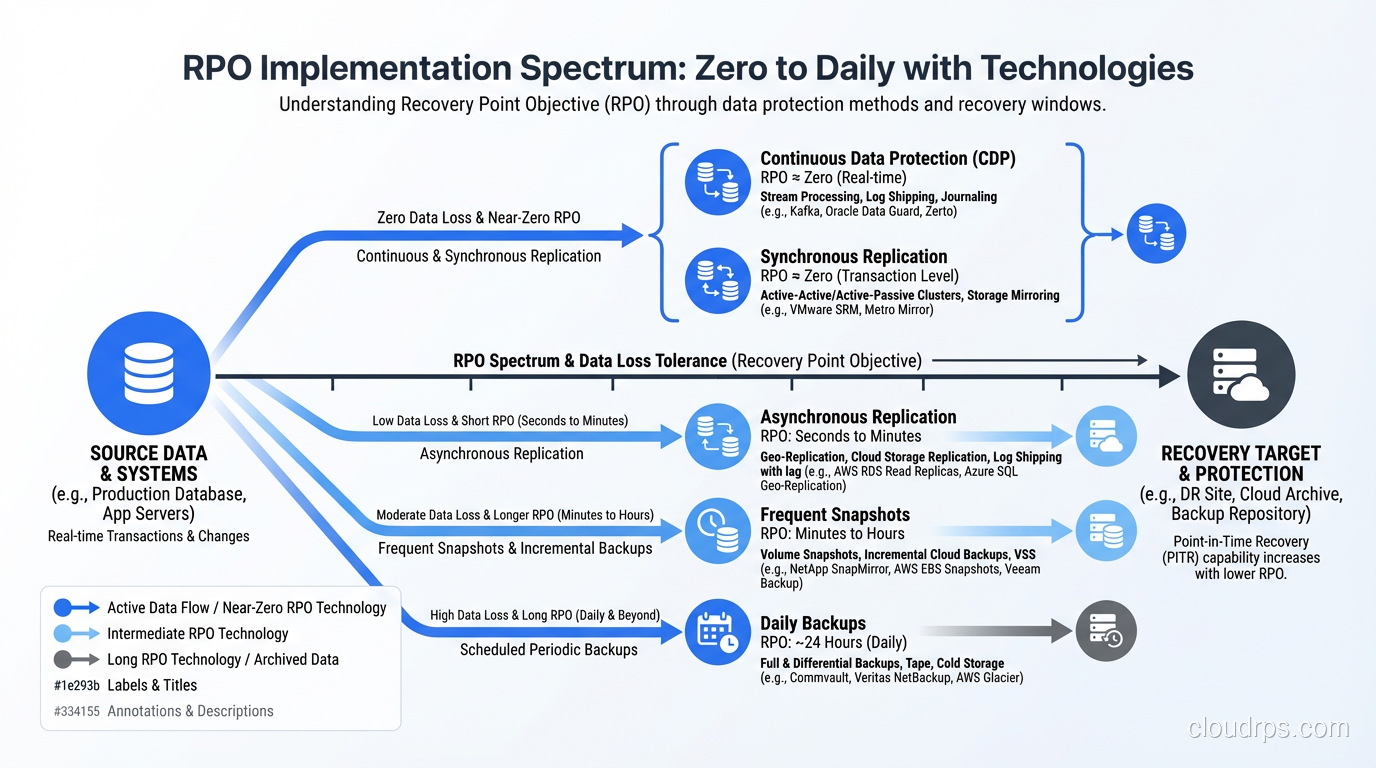
RTO and RPO explained by an architect who's set and tested them for decades. How to define recovery objectives that actually match your business needs.
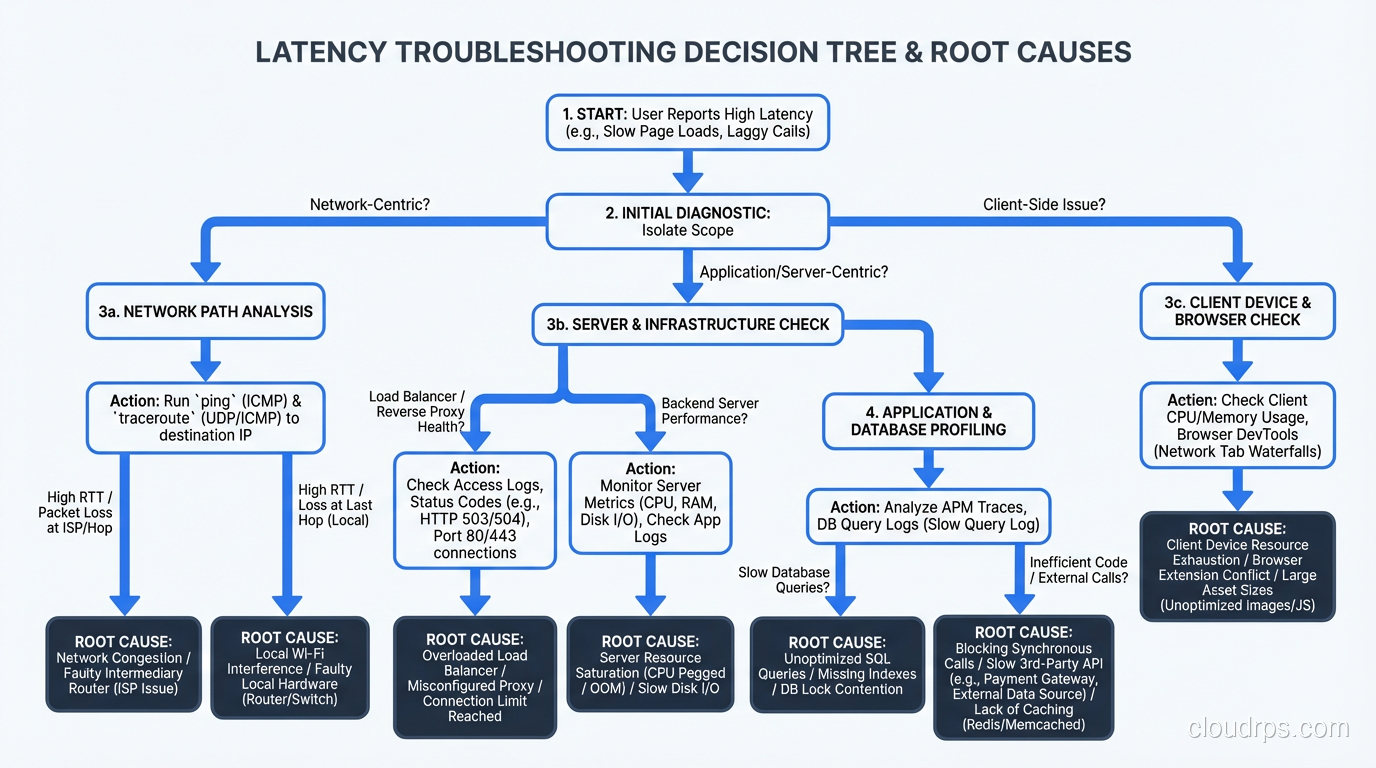
A systematic method for tracking down latency issues in production systems, from network to application to database, built from decades of war stories.
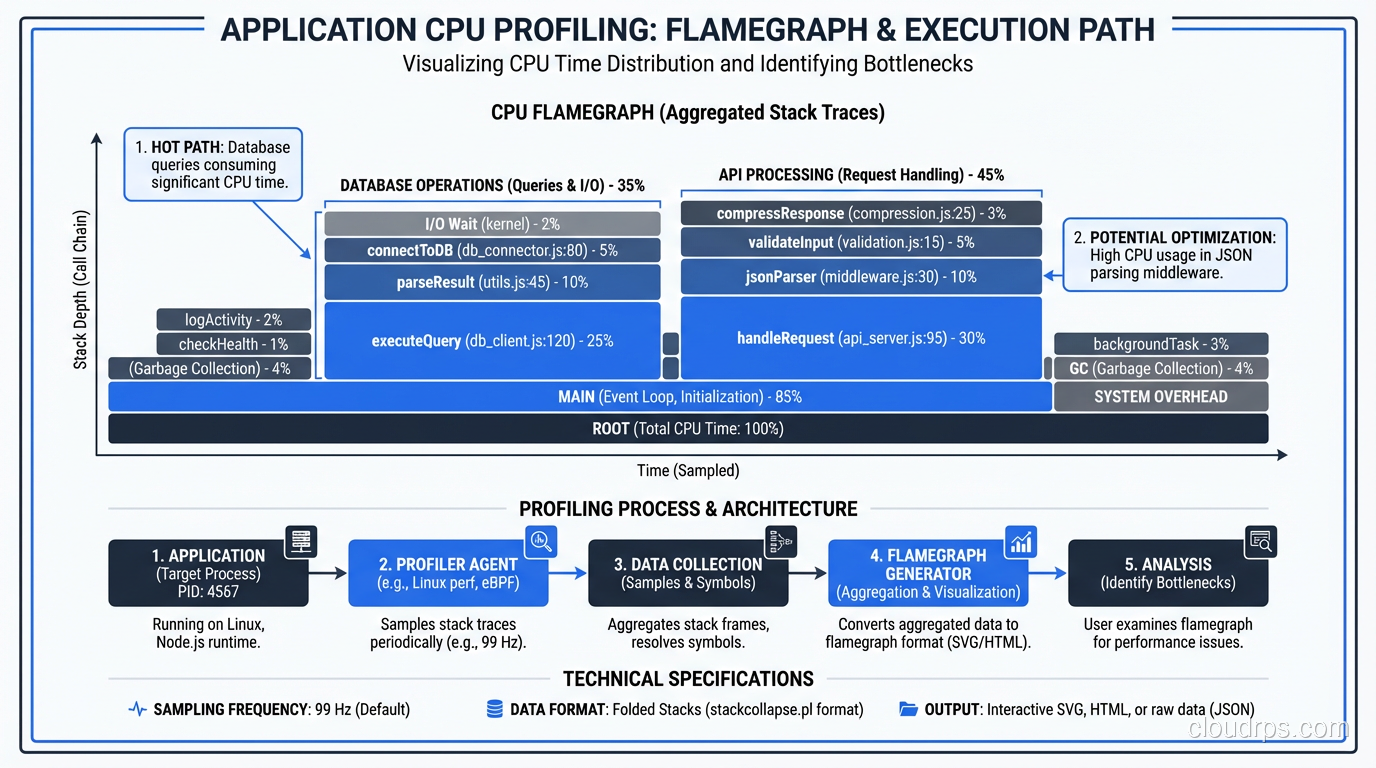
Hard-won performance tuning lessons from 30 years of fixing slow systems. Database optimization, application profiling, and the metrics that matter.
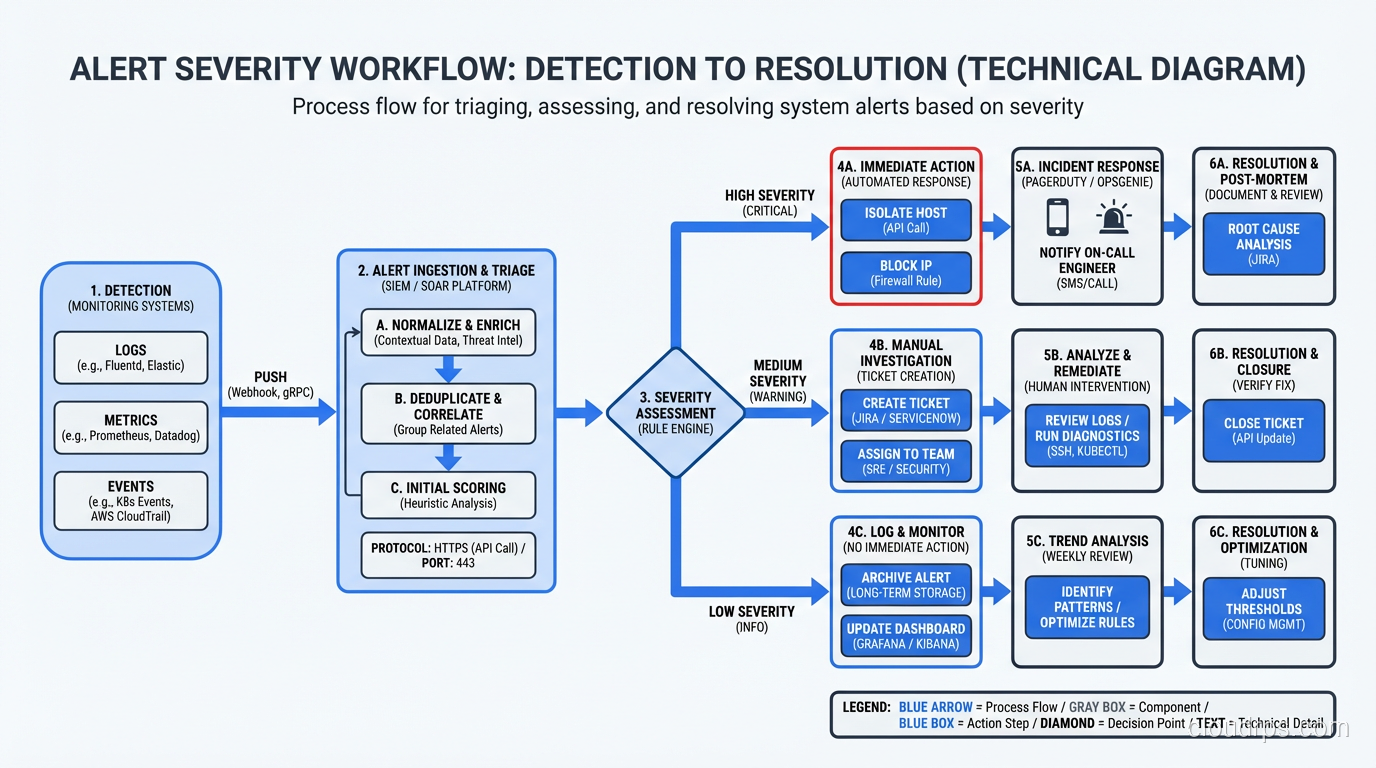
Practical monitoring and logging advice from three decades of production operations. What metrics matter, how to build alerts that work, and tools I trust.
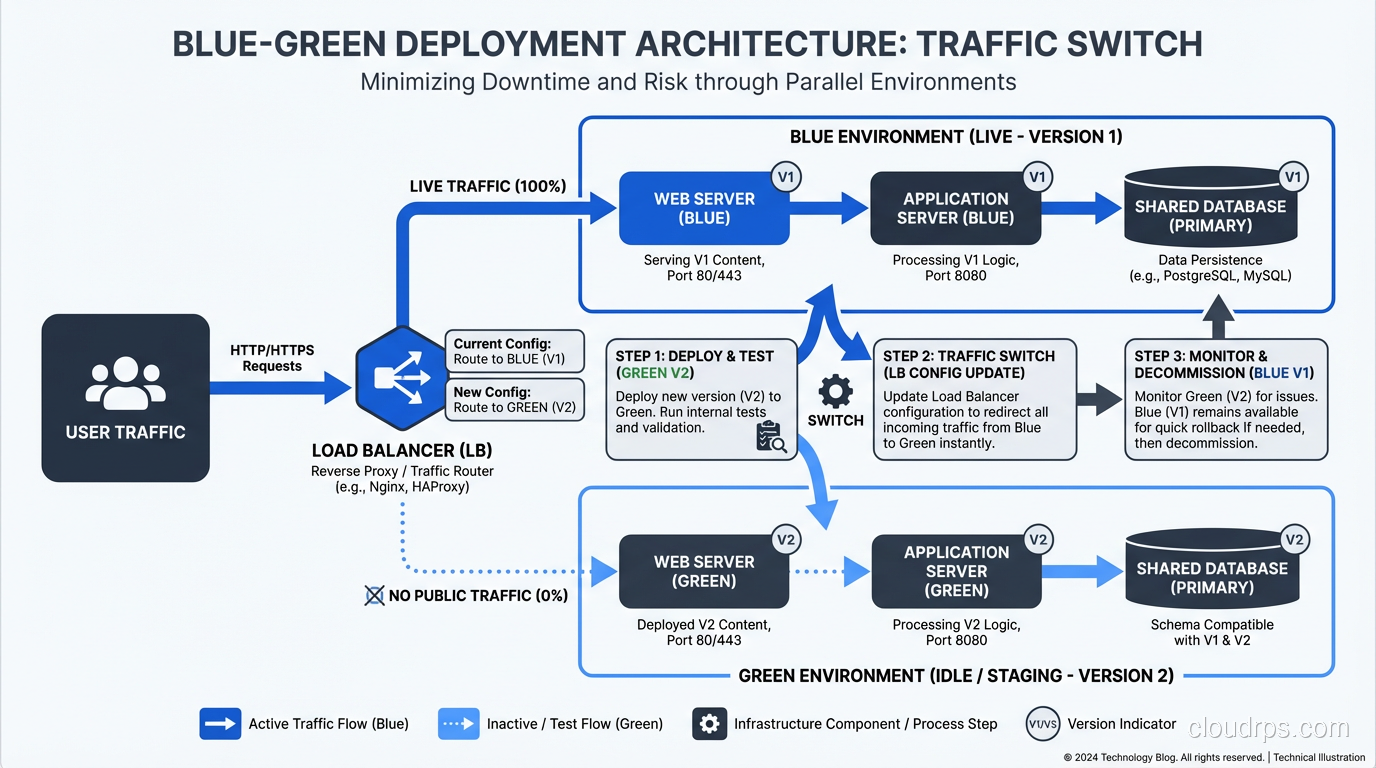
A battle-tested guide to blue-green deployments from an architect who's used them to eliminate downtime across hundreds of releases in production.
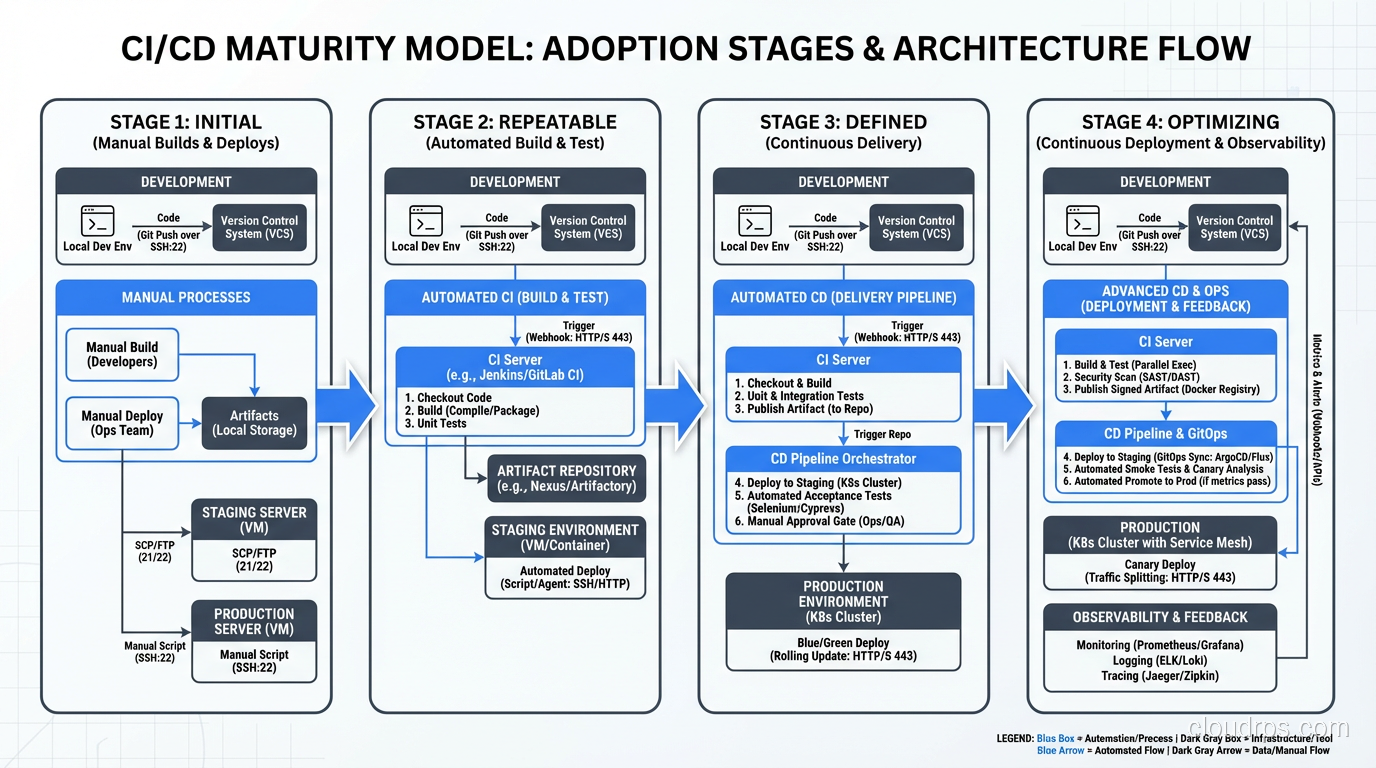
Learn CI/CD from someone who built pipelines before the tools existed. Continuous integration and delivery principles, patterns, and hard-won lessons.
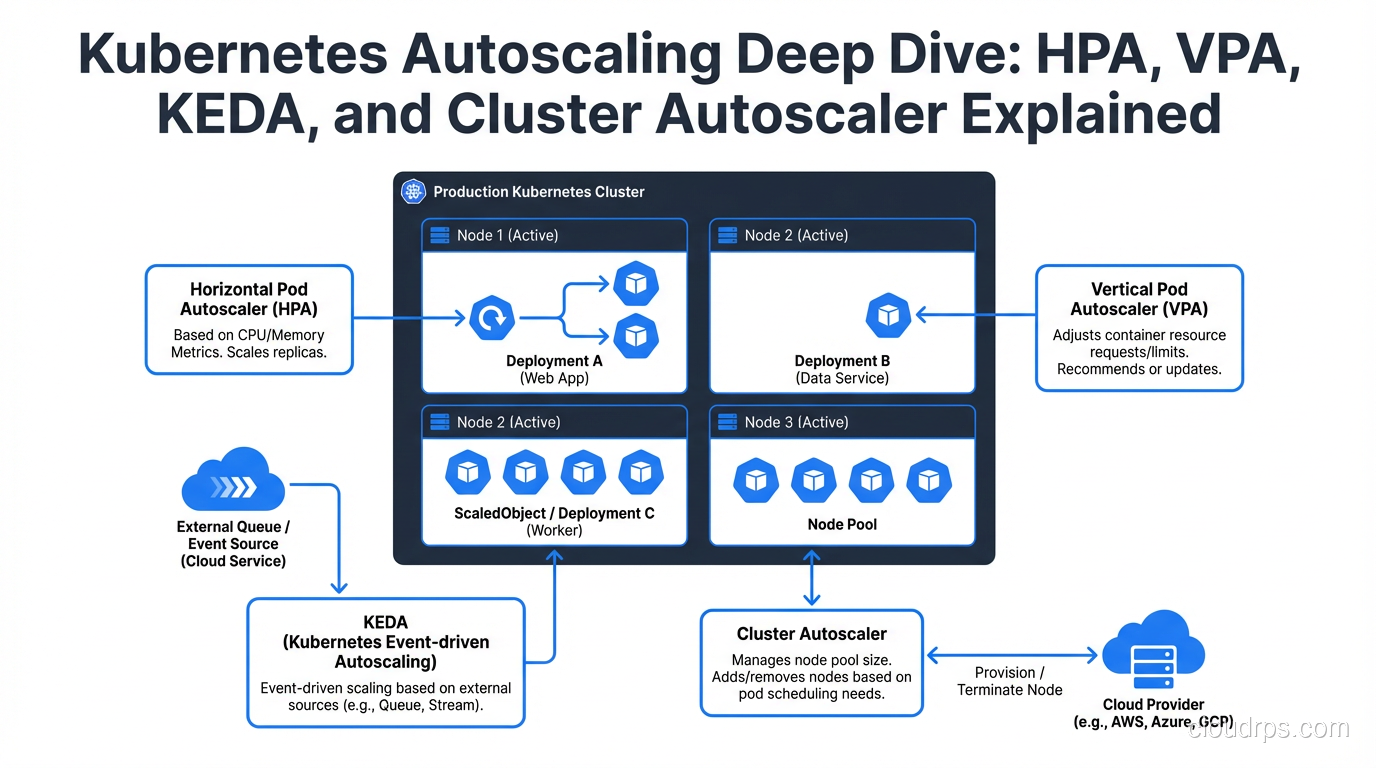
A practical guide to Kubernetes autoscaling: how HPA, VPA, KEDA, and Cluster Autoscaler work, when to use each, and how to avoid the pitfalls that catch most teams.
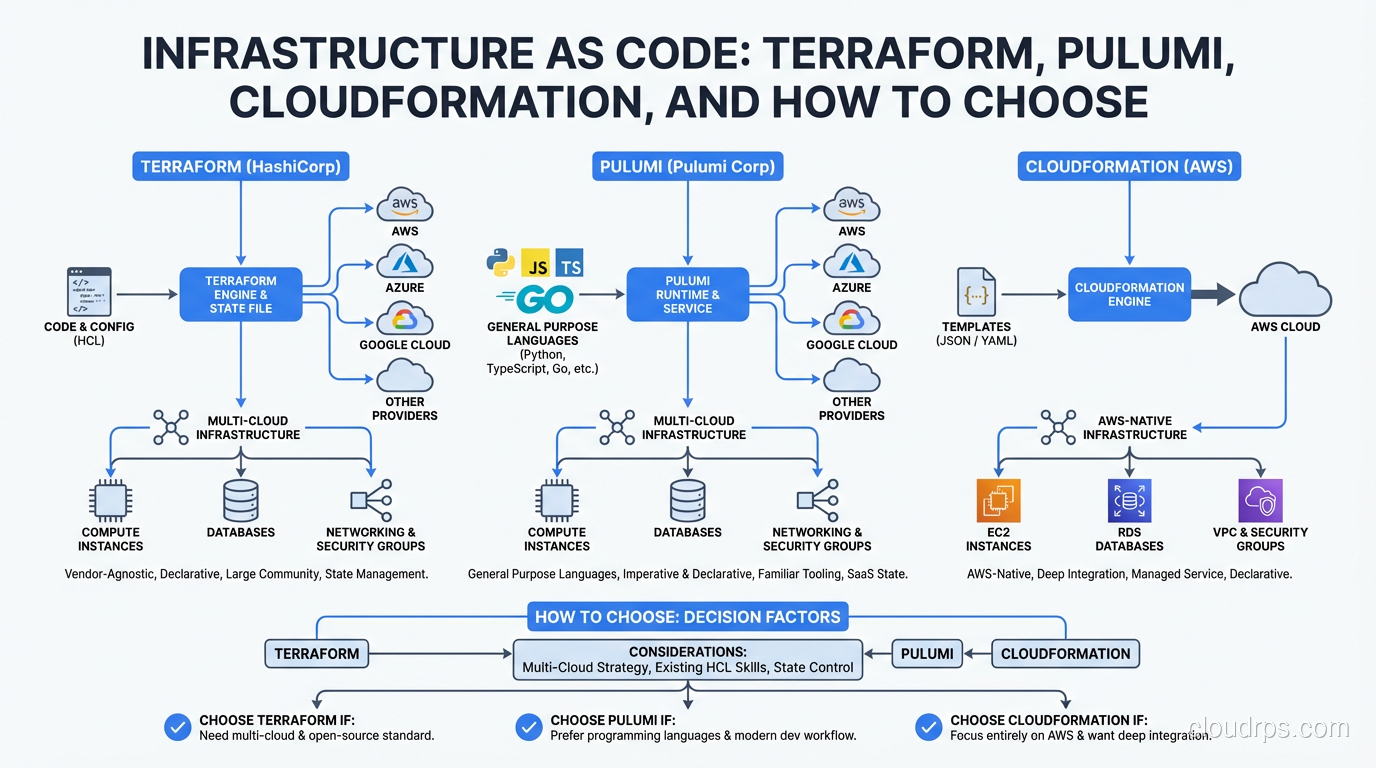
A practical guide to Infrastructure as Code tools. Compare Terraform, Pulumi, CloudFormation, and OpenTofu with real-world examples, trade-offs, and migration stories.
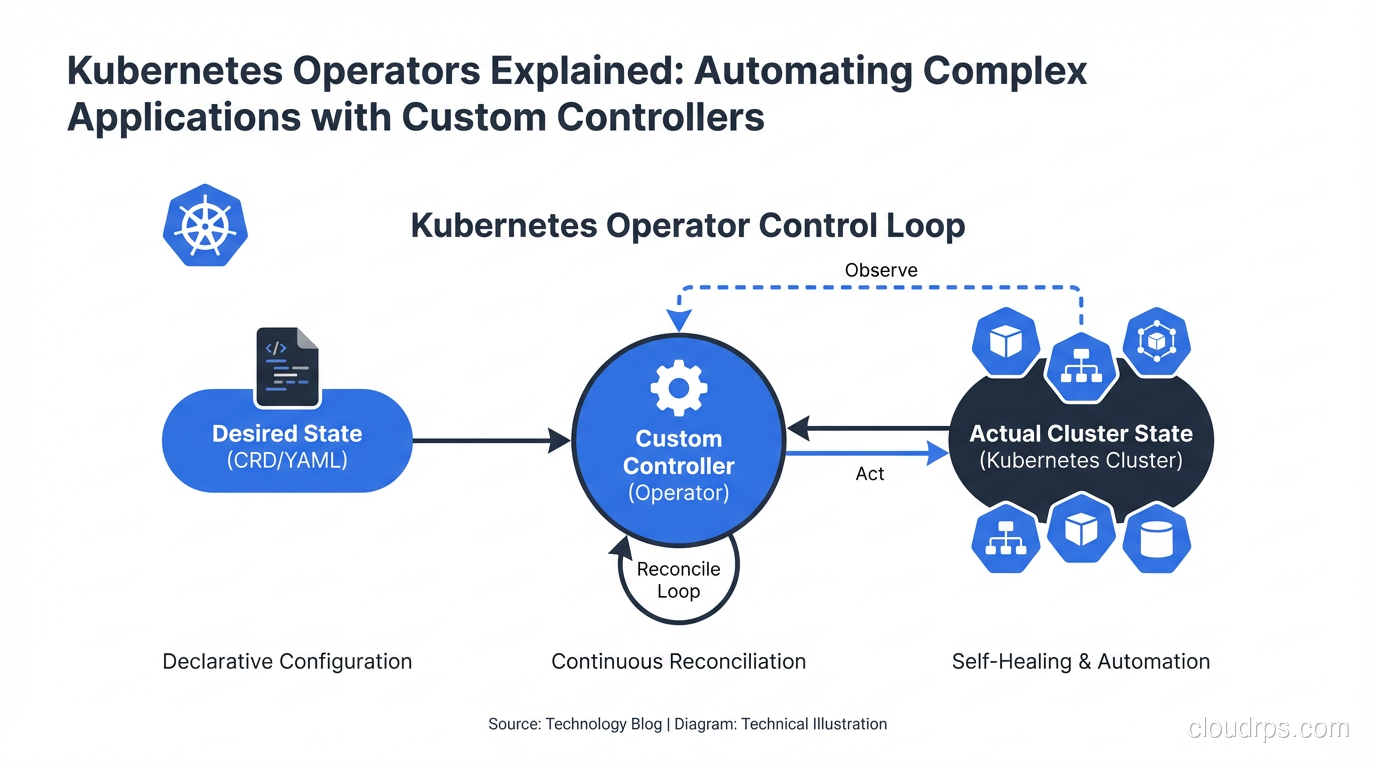
Kubernetes Operators encode operational knowledge into software. Here's how they work, when to write one, and when to use an existing operator instead of building your own.
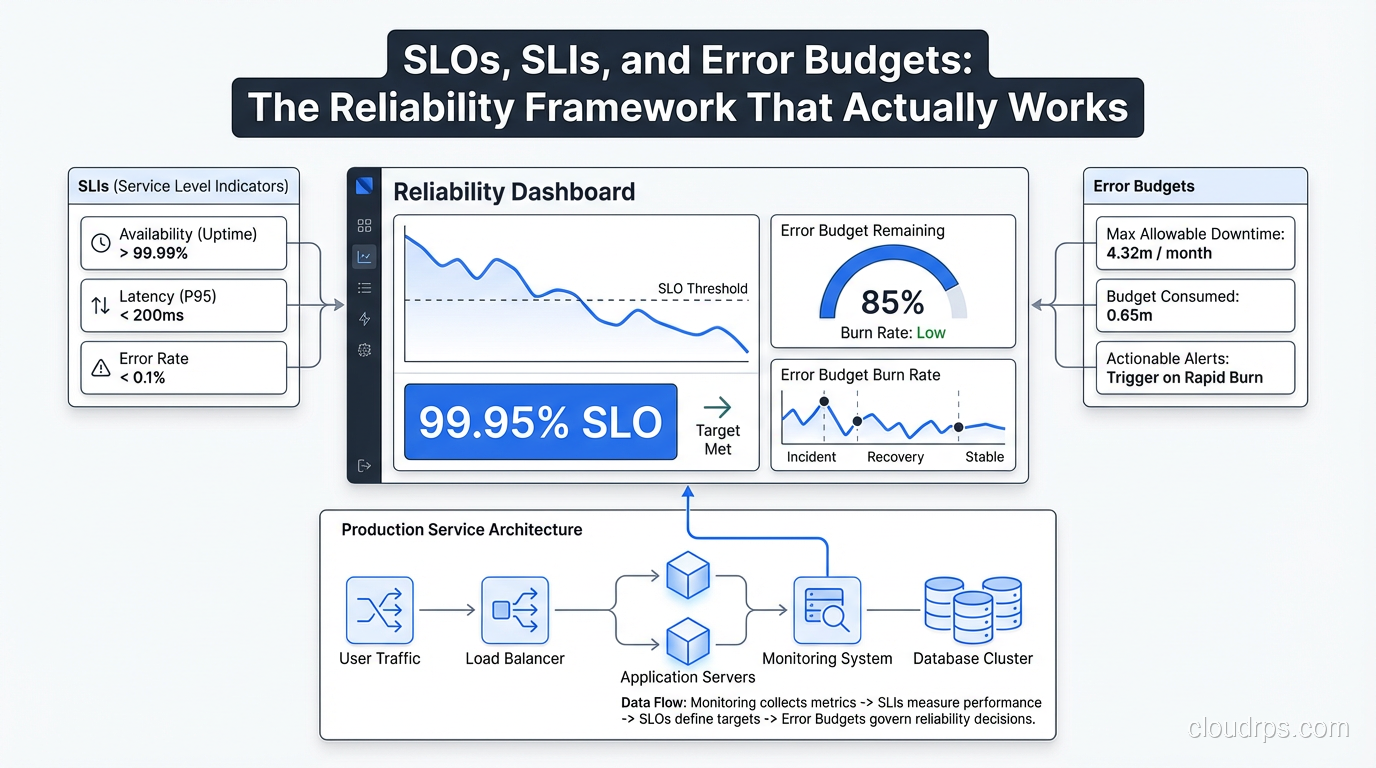
SLAs are for lawyers. SLOs are for engineers. Here's how to define meaningful service level objectives, measure them properly, and use error budgets to make smarter deployment decisions.
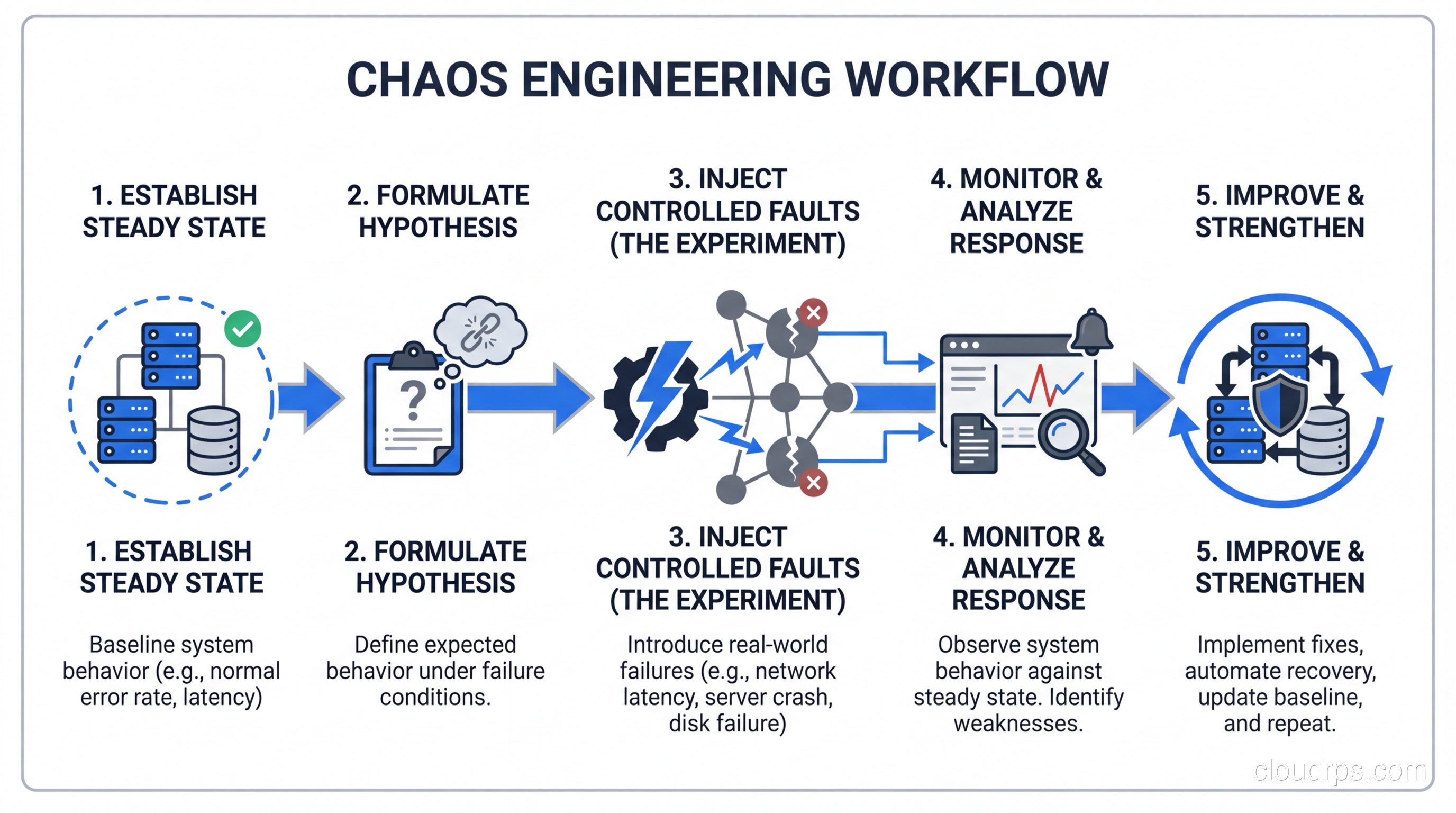
A hands-on guide to chaos engineering: why you should break things in production, tools like Chaos Monkey and Litmus, game day planning, and how to build a culture of resilience testing.
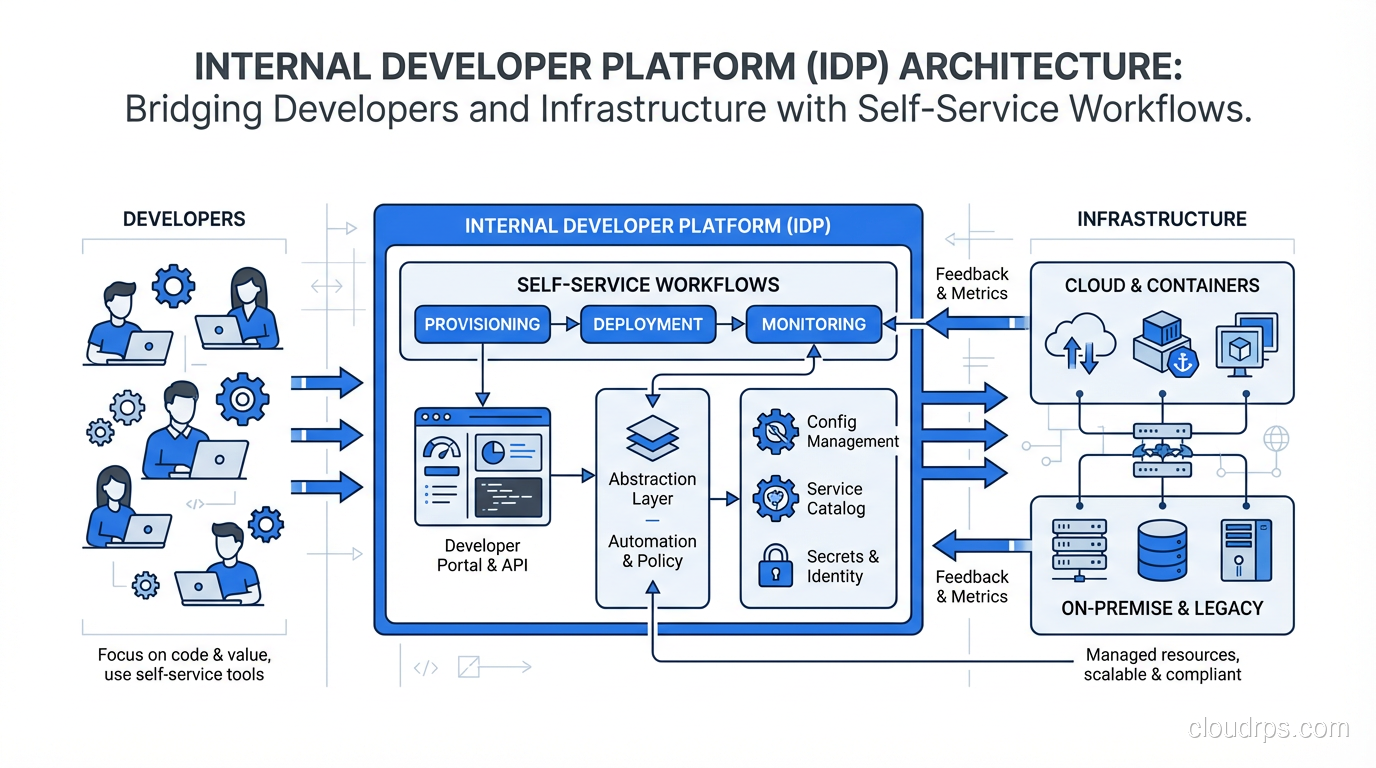
How platform engineering solves DevOps tool sprawl by giving developers self-service infrastructure. What an internal developer platform looks like and how to build one.
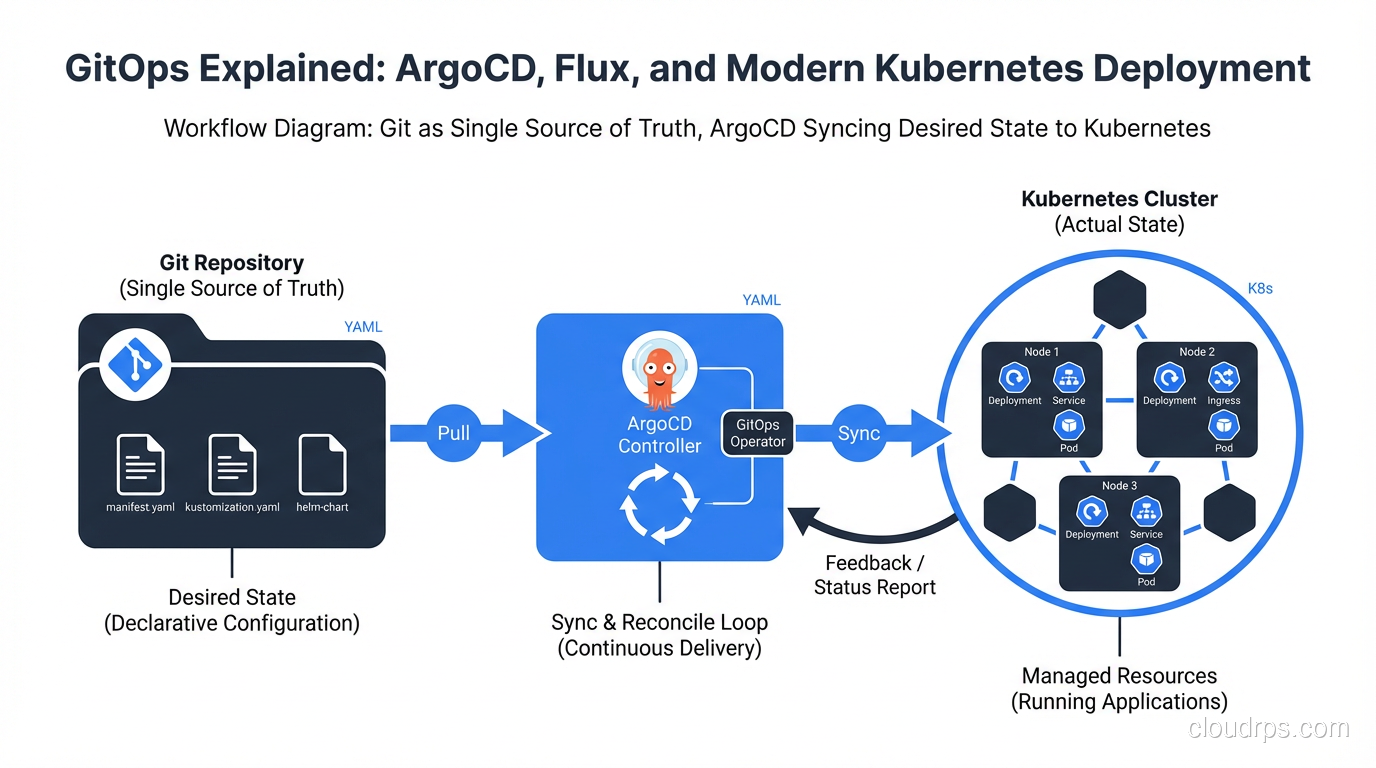
A practitioner's guide to GitOps: how to use Git as the single source of truth for infrastructure and application deployment with ArgoCD and Flux.
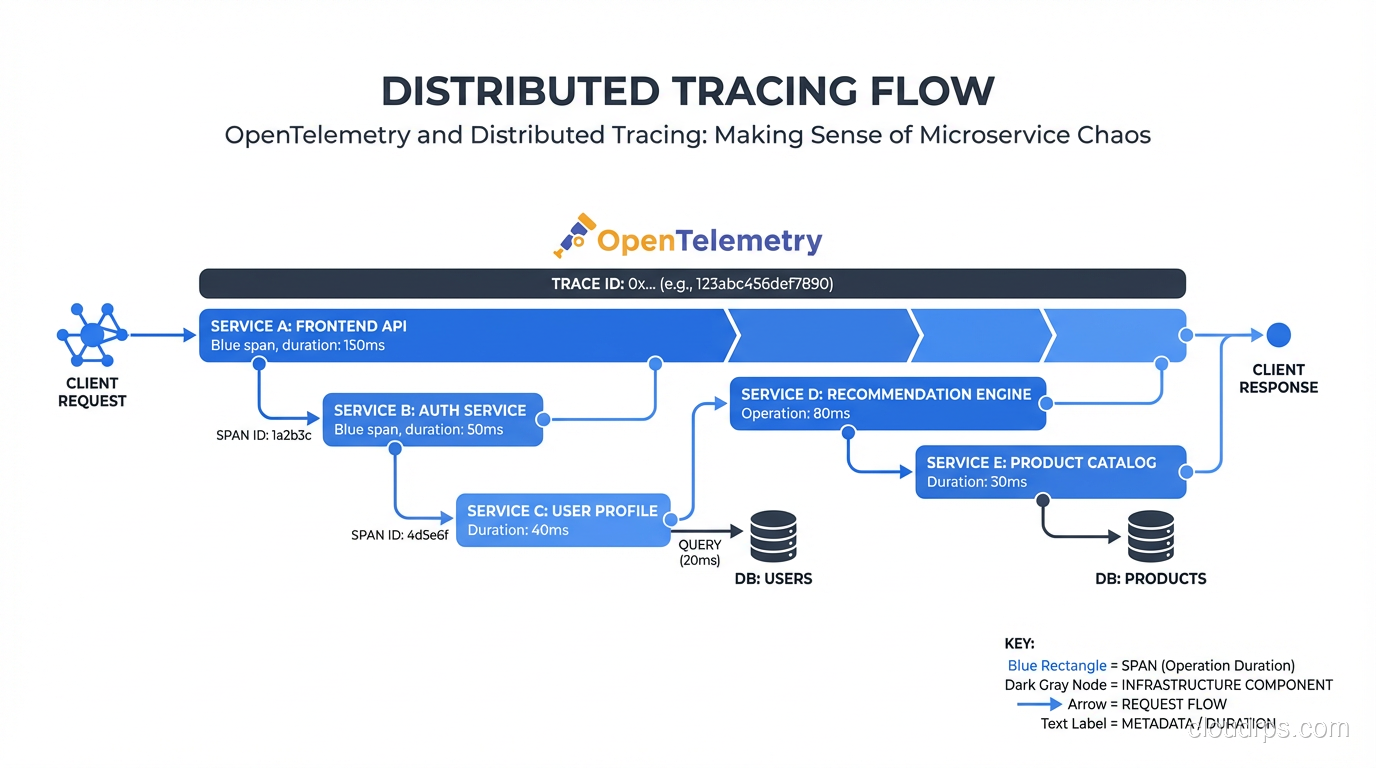
How OpenTelemetry works, why distributed tracing is different from logging and metrics, and how to instrument your services without drowning in overhead and noise.
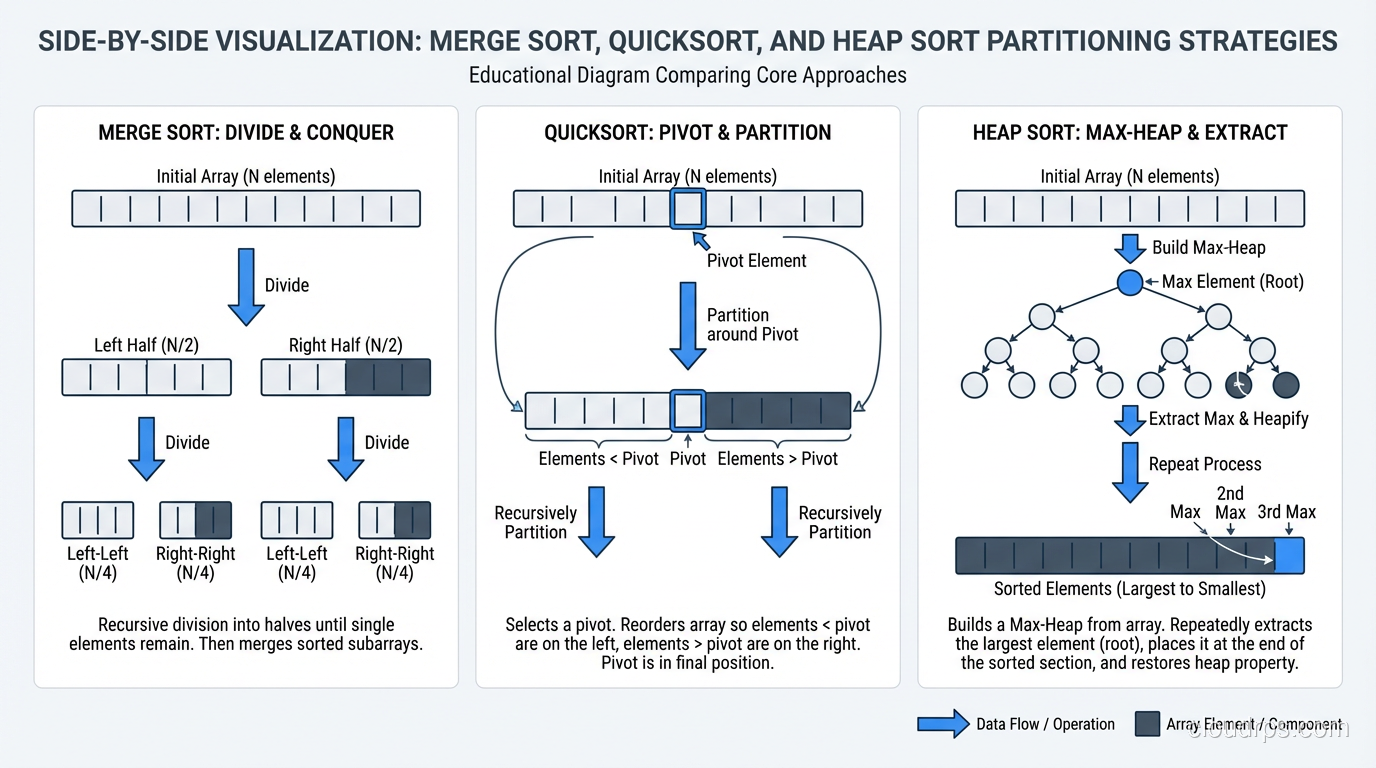
Sorting algorithms explained with real implementations, from bubble sort through Timsort. Big O complexity analysis and when algorithm choice actually matters in production.
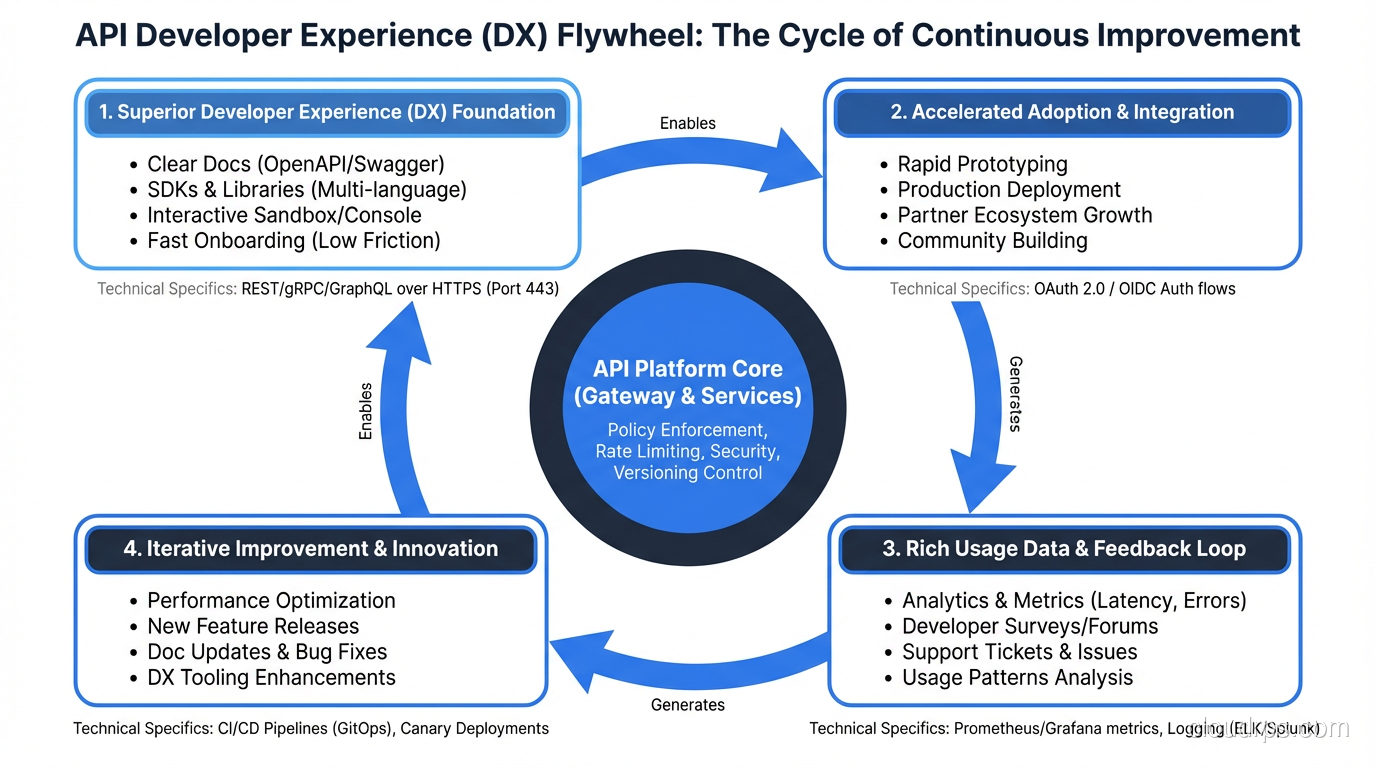
What makes an API developer-friendly: naming conventions, error handling, pagination, versioning, docs, and the design principles that separate great APIs from painful ones.
HTTP methods explained with real-world examples. GET, POST, PUT, PATCH, DELETE, plus HEAD and OPTIONS. When to use each, idempotency, and common mistakes.
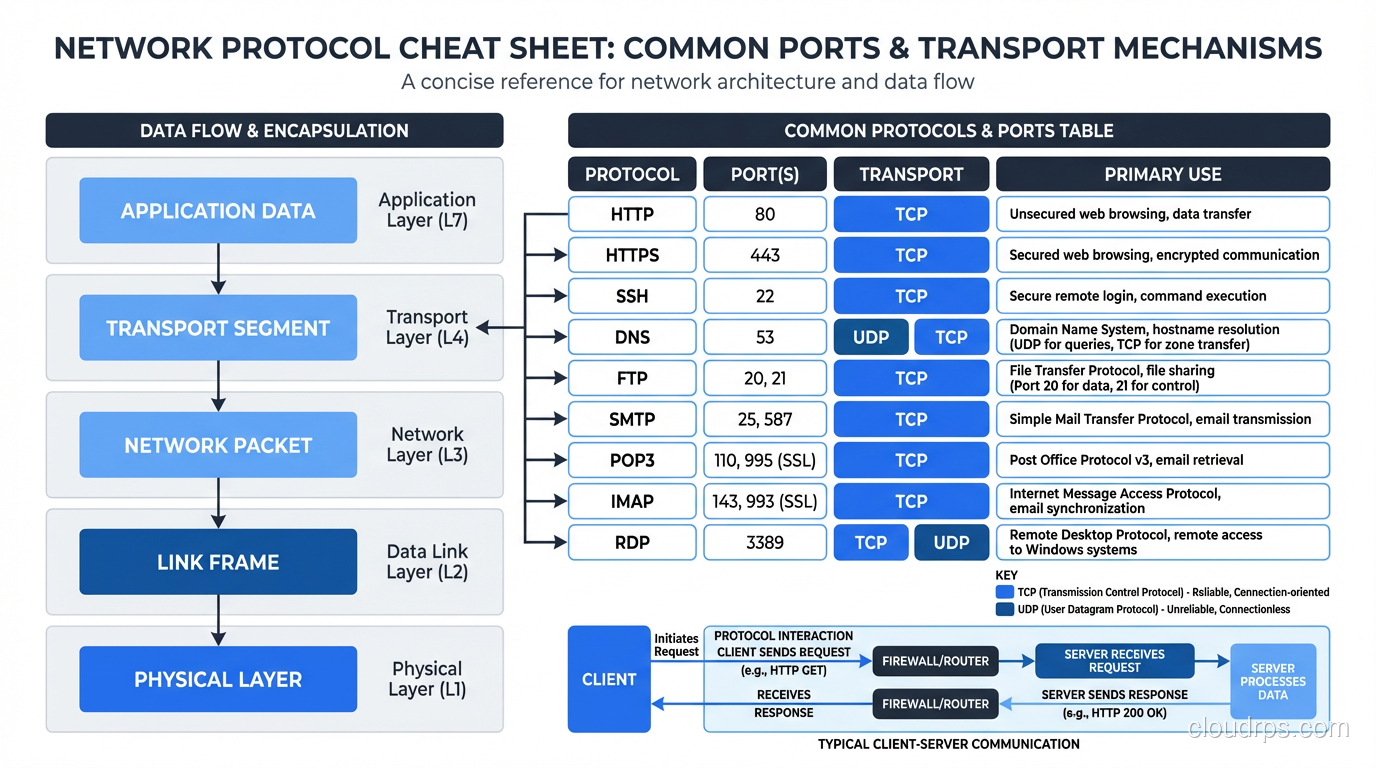
A networking protocols overview for practitioners. TCP, UDP, HTTP, ICMP, FTP, SNMP, and more explained by an architect who's debugged them all in production.
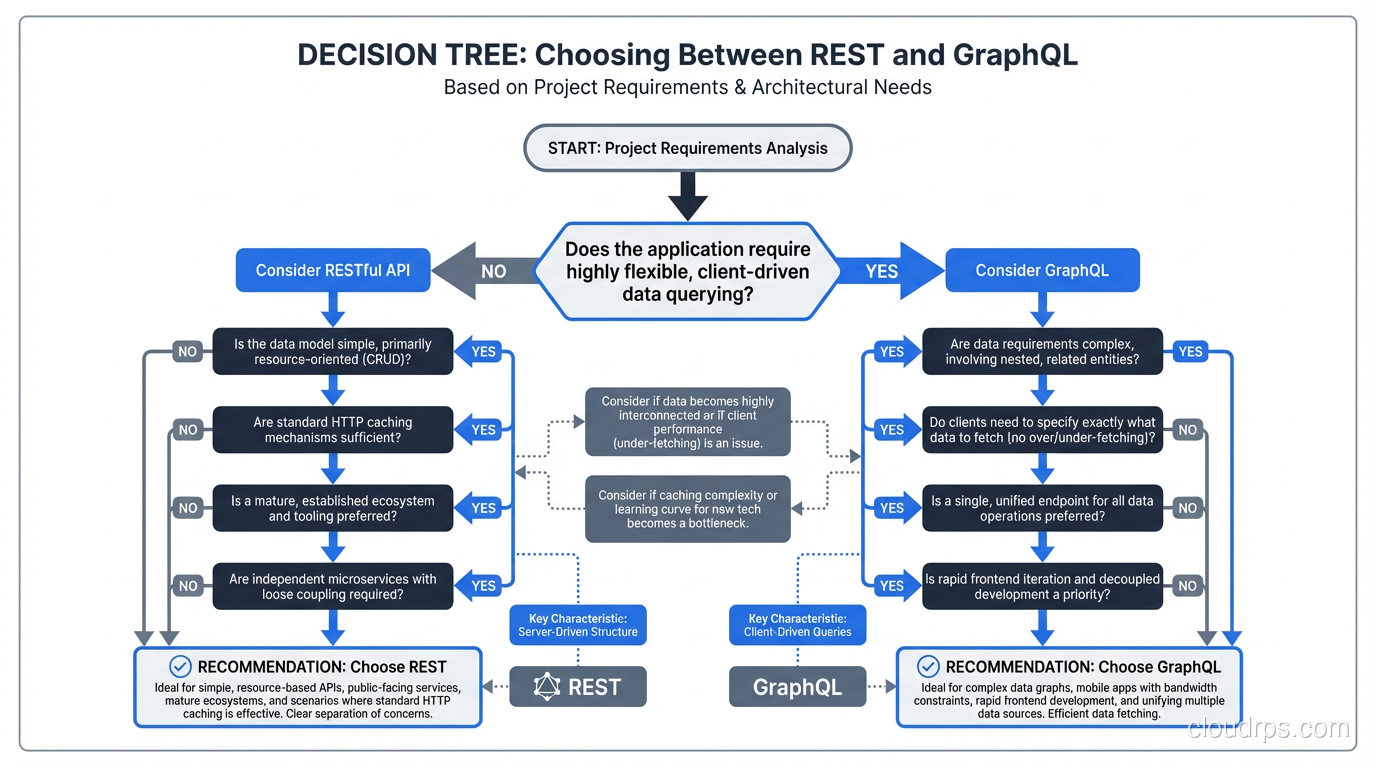
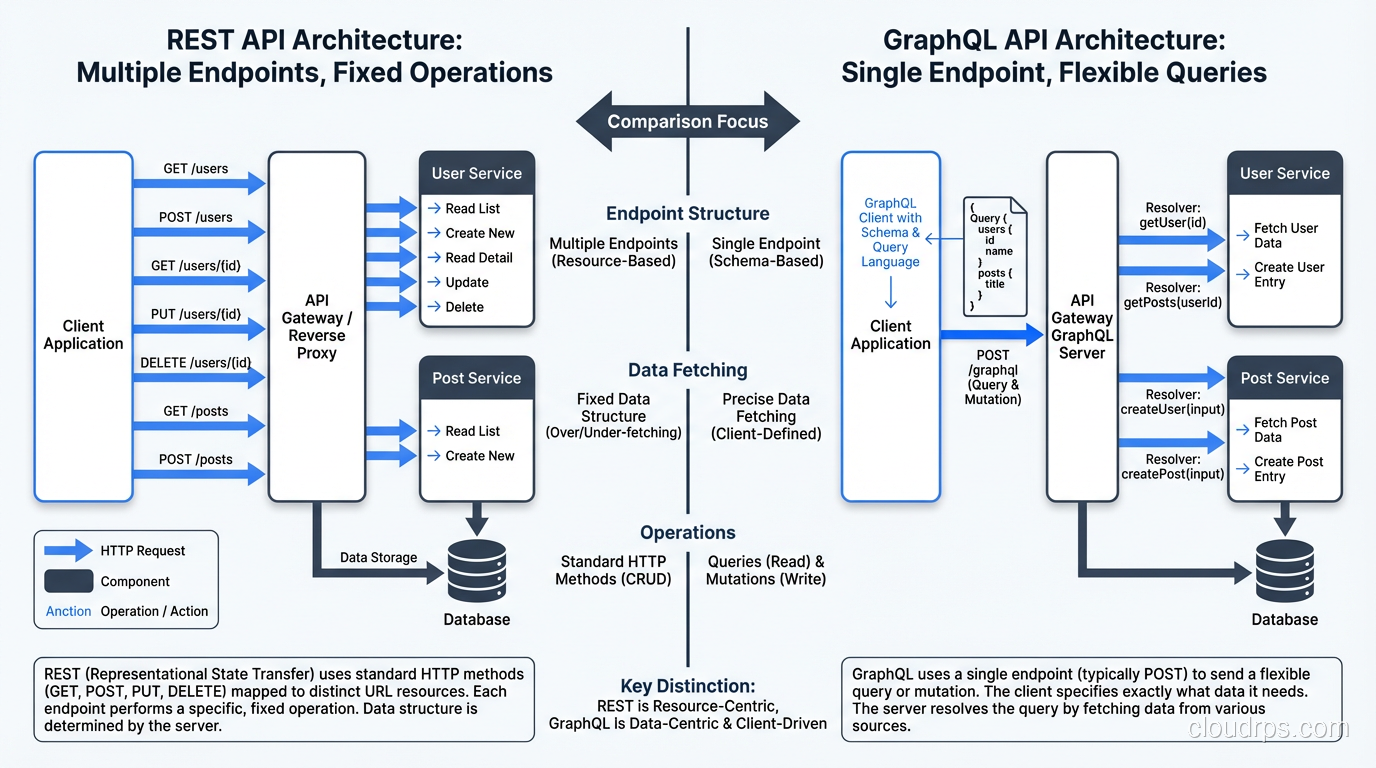
GraphQL vs REST compared honestly: architecture differences, real performance trade-offs, and a practical decision framework for choosing between them.
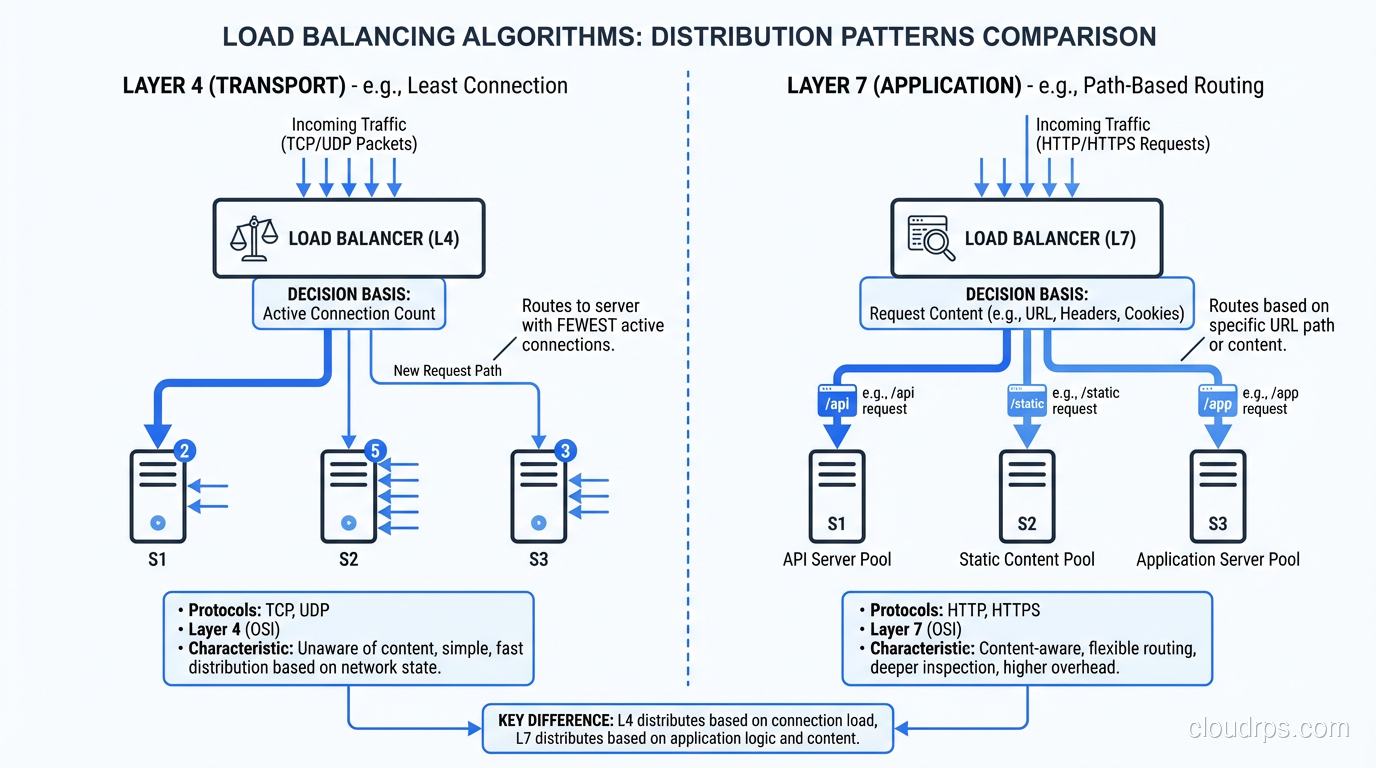
A deep dive into load balancer types from an architect who's configured hundreds. L4, L7, global, and how to pick the right one for your architecture.
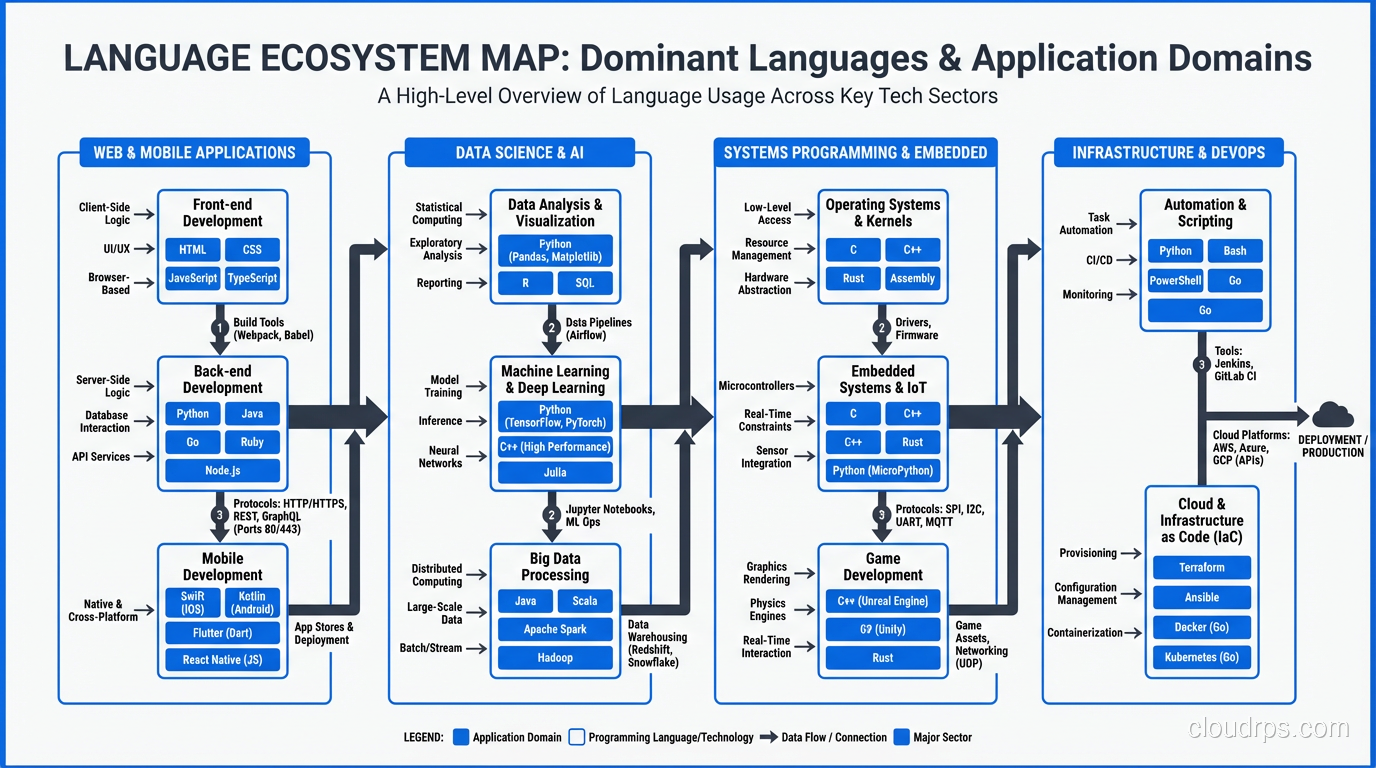
The real differences between scripting and compiled languages: how they work under the hood, performance trade-offs, and when to reach for Python vs Go vs Rust.
Practical deep dives on infrastructure, security, and scaling. No spam, no fluff.
By subscribing, you agree to receive emails. Unsubscribe anytime.