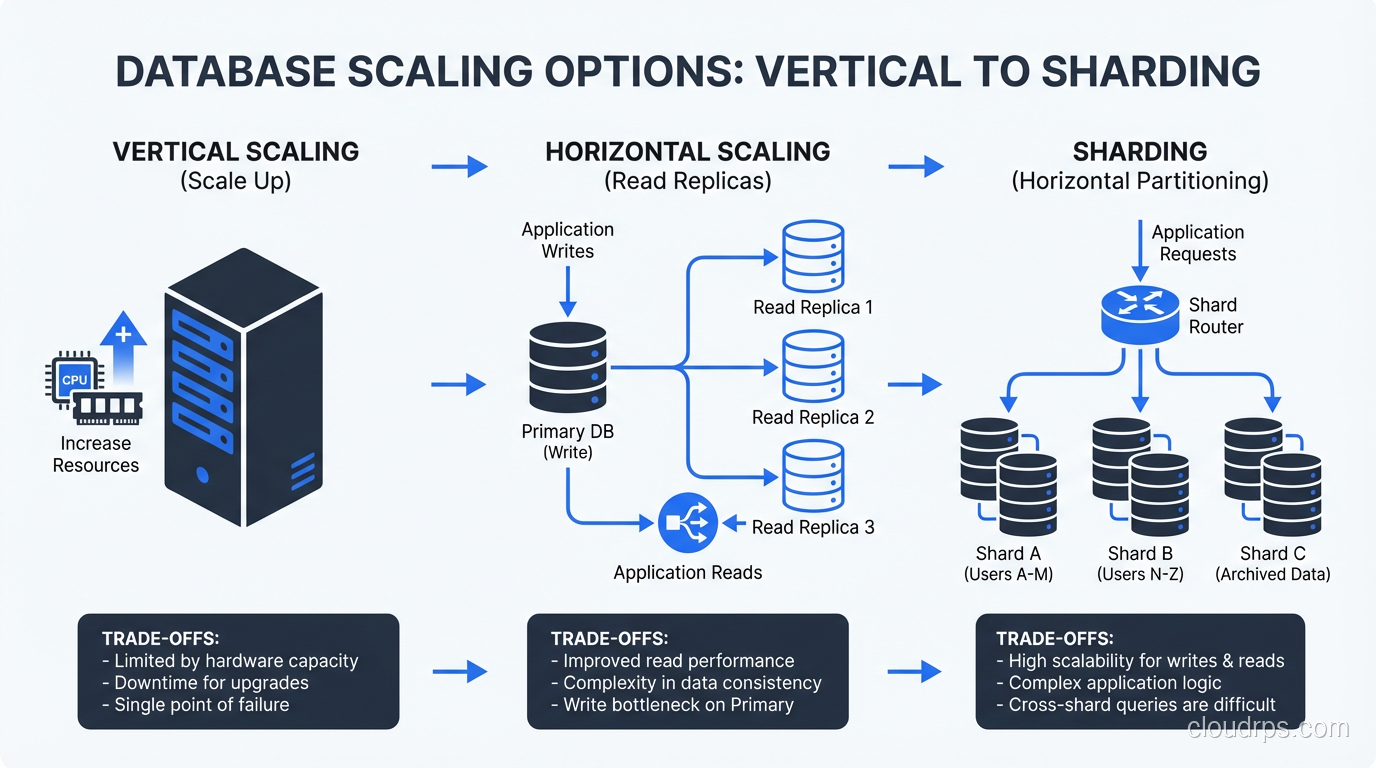
Scaling Web Applications: From Single Server to Millions of Users
A practical guide to scaling web applications from an architect who's done it at every stage. From single server to distributed systems serving millions.

A practical guide to scaling web applications from an architect who's done it at every stage. From single server to distributed systems serving millions.

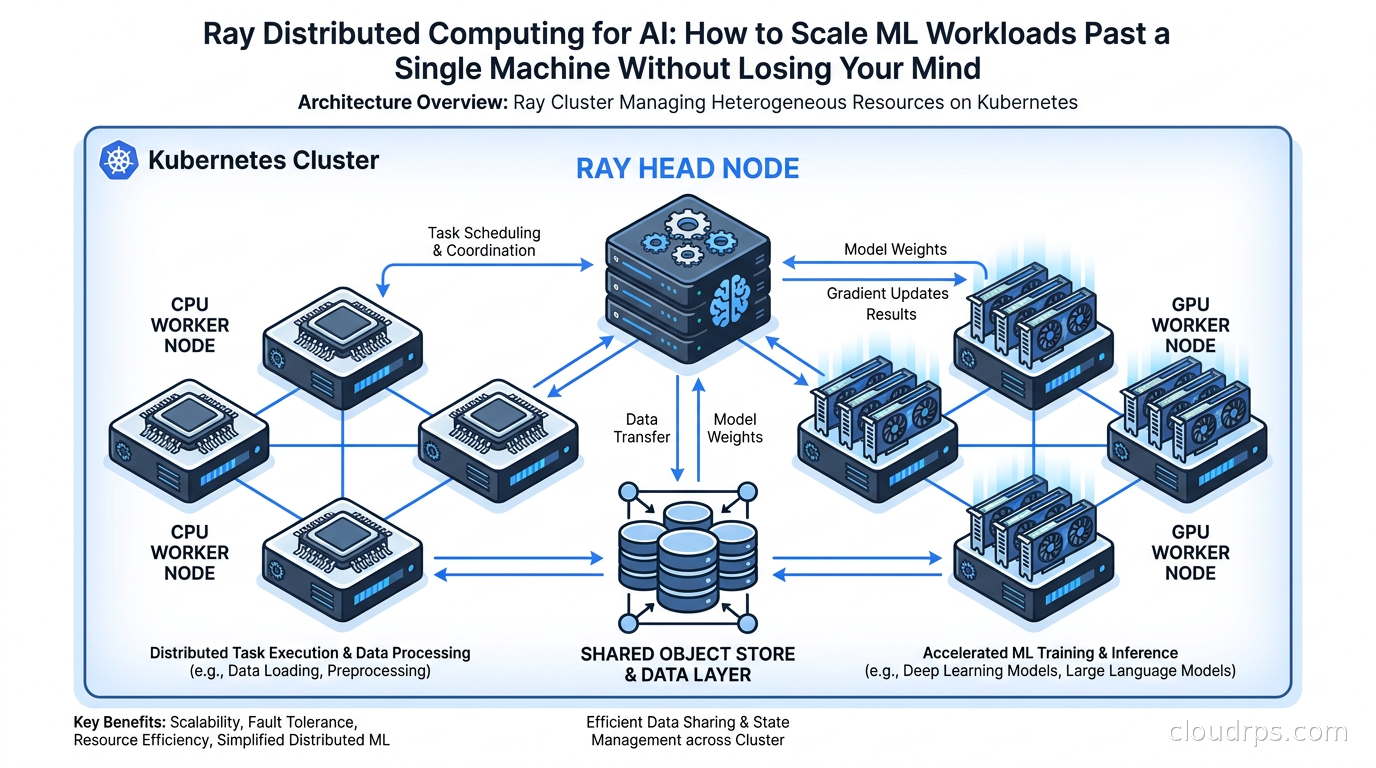
Ray is the distributed compute engine behind OpenAI, Cohere, and most serious AI labs. Here's how it actually works, how to run it on Kubernetes with KubeRay, when to use it, and when Dask or Spark is the better call.

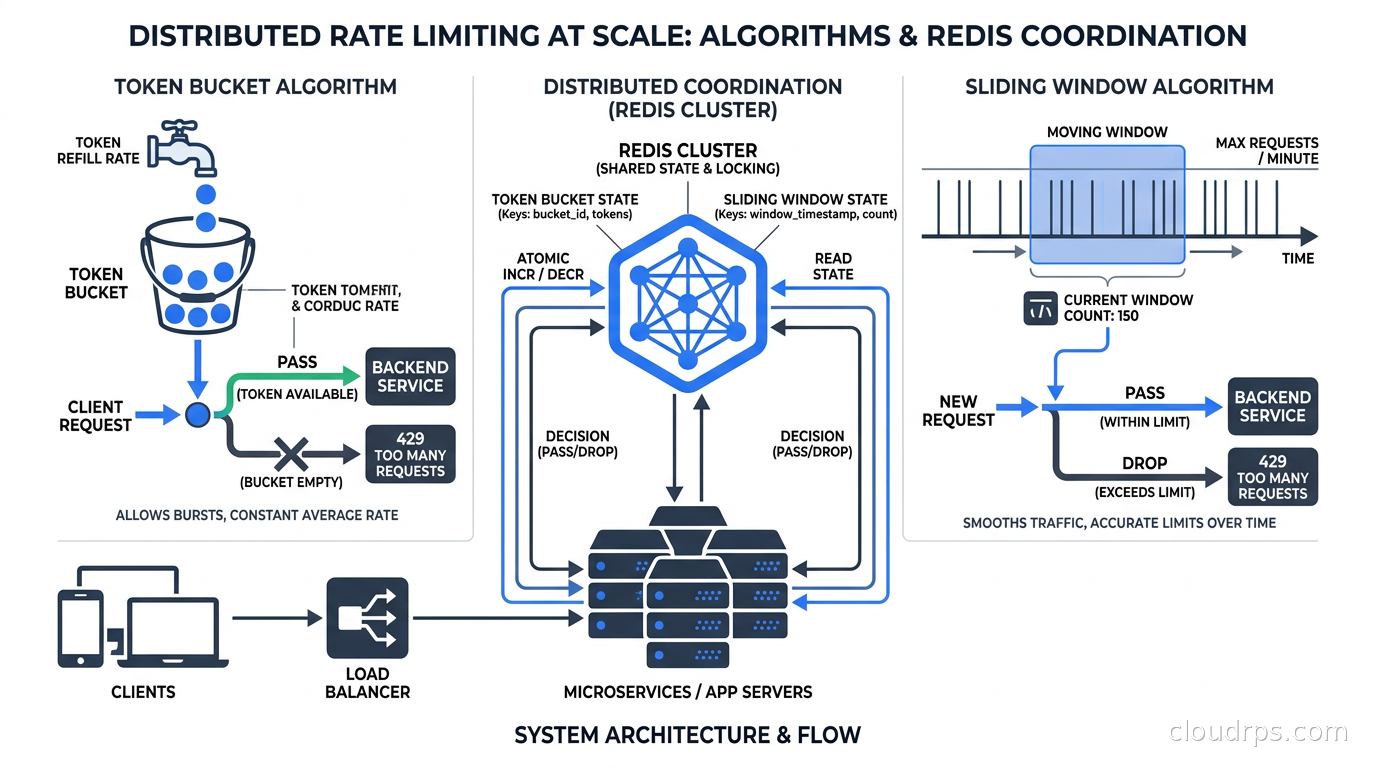
A deep dive into rate limiting algorithms — token bucket, leaky bucket, fixed window, sliding window — and the hard problems of distributed rate limiting with Redis, Envoy, and API gateways.

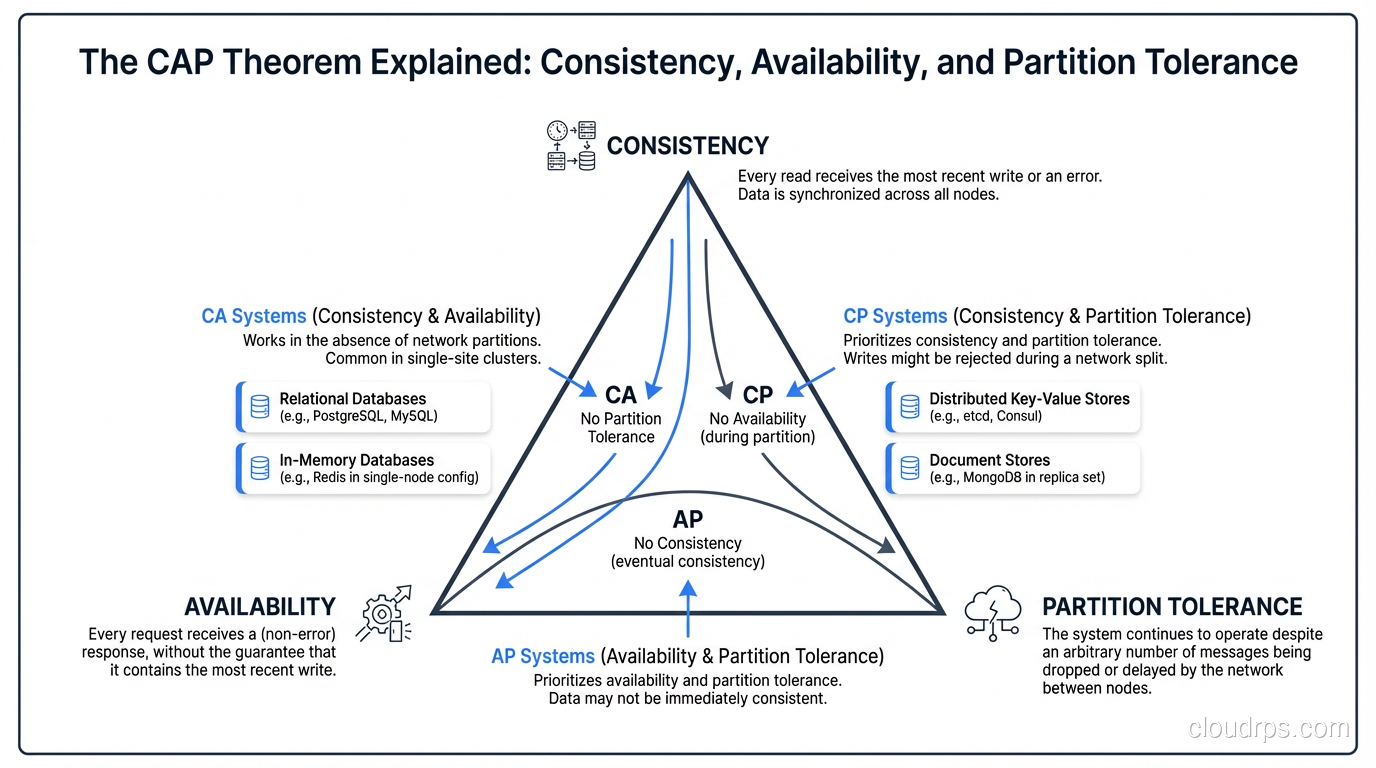
The CAP theorem is widely cited and widely misunderstood. A veteran architect explains what it actually means, why it matters, and how real databases navigate it.

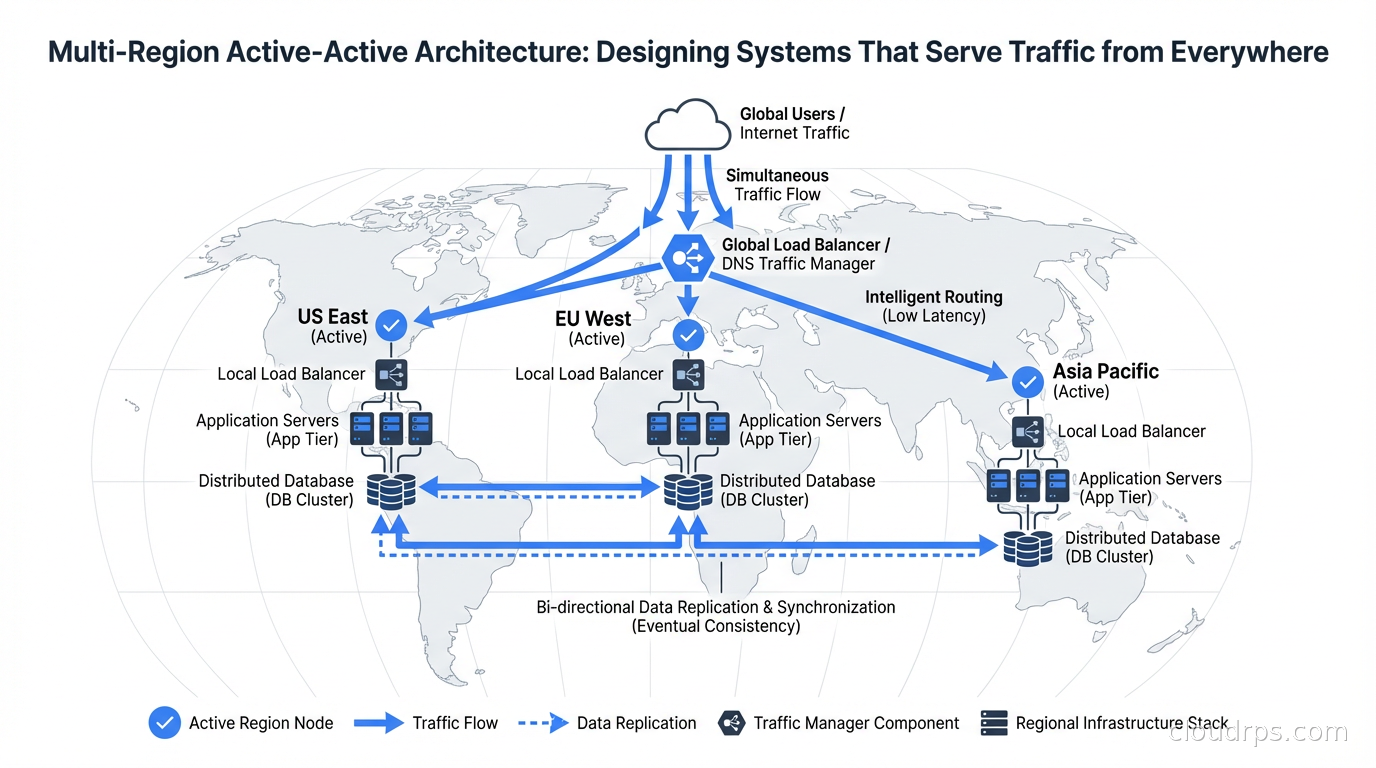
Active-active multi-region architecture serves real traffic from every region simultaneously. Here is how to design it, what to do about data consistency, and when it is not worth the complexity.

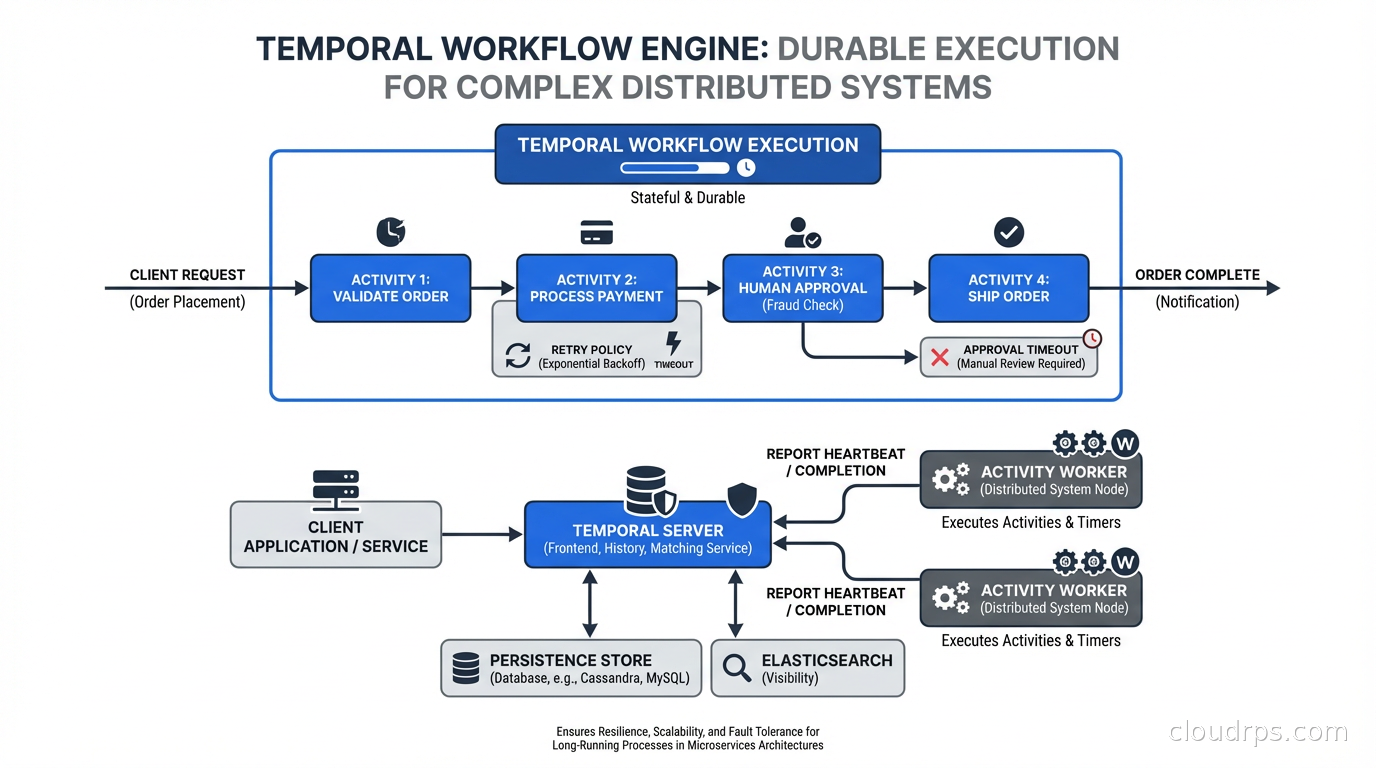
Temporal solves the hardest problem in distributed systems: running long-lived, multi-step processes reliably without writing saga boilerplate or managing state machines manually.

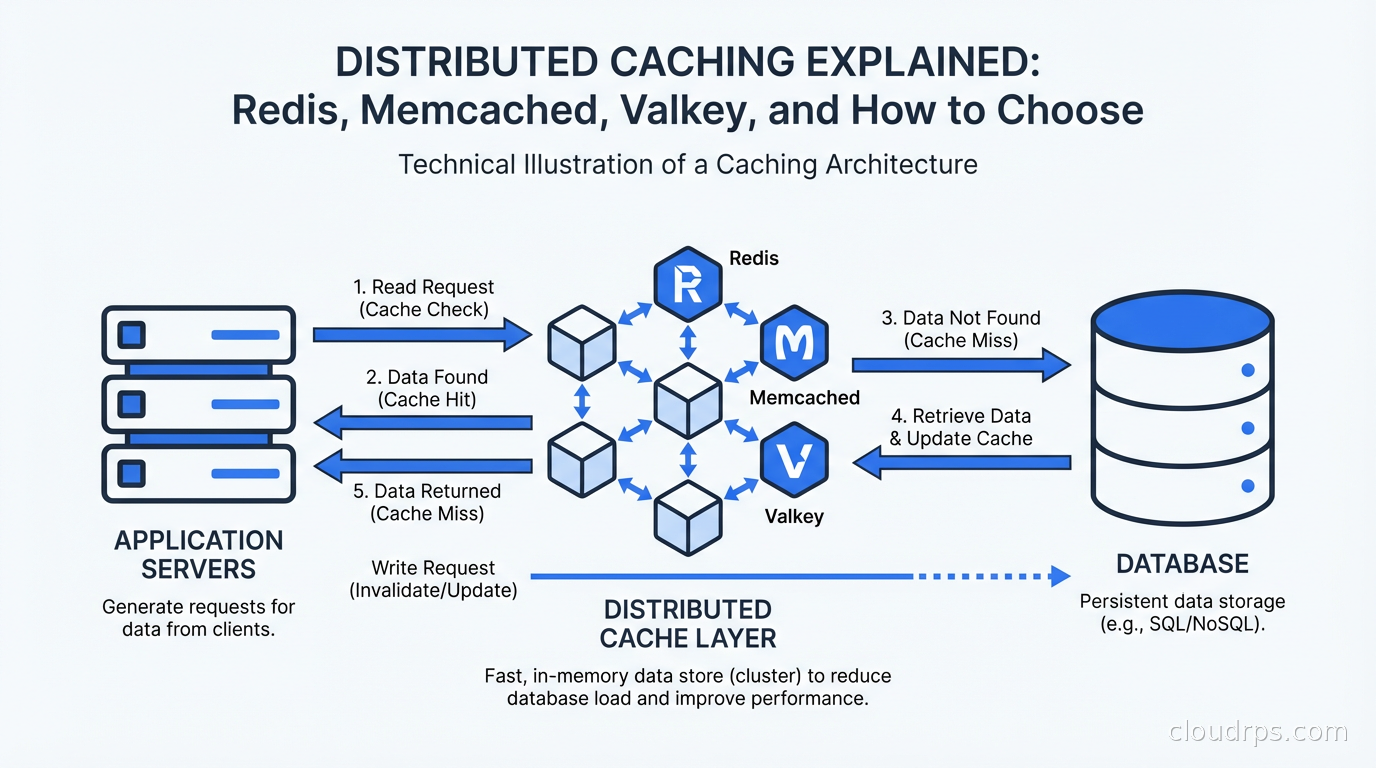
A principal architect's guide to distributed caching: how Redis, Memcached, and Valkey work, when to use each, and lessons from running caches at scale in production.

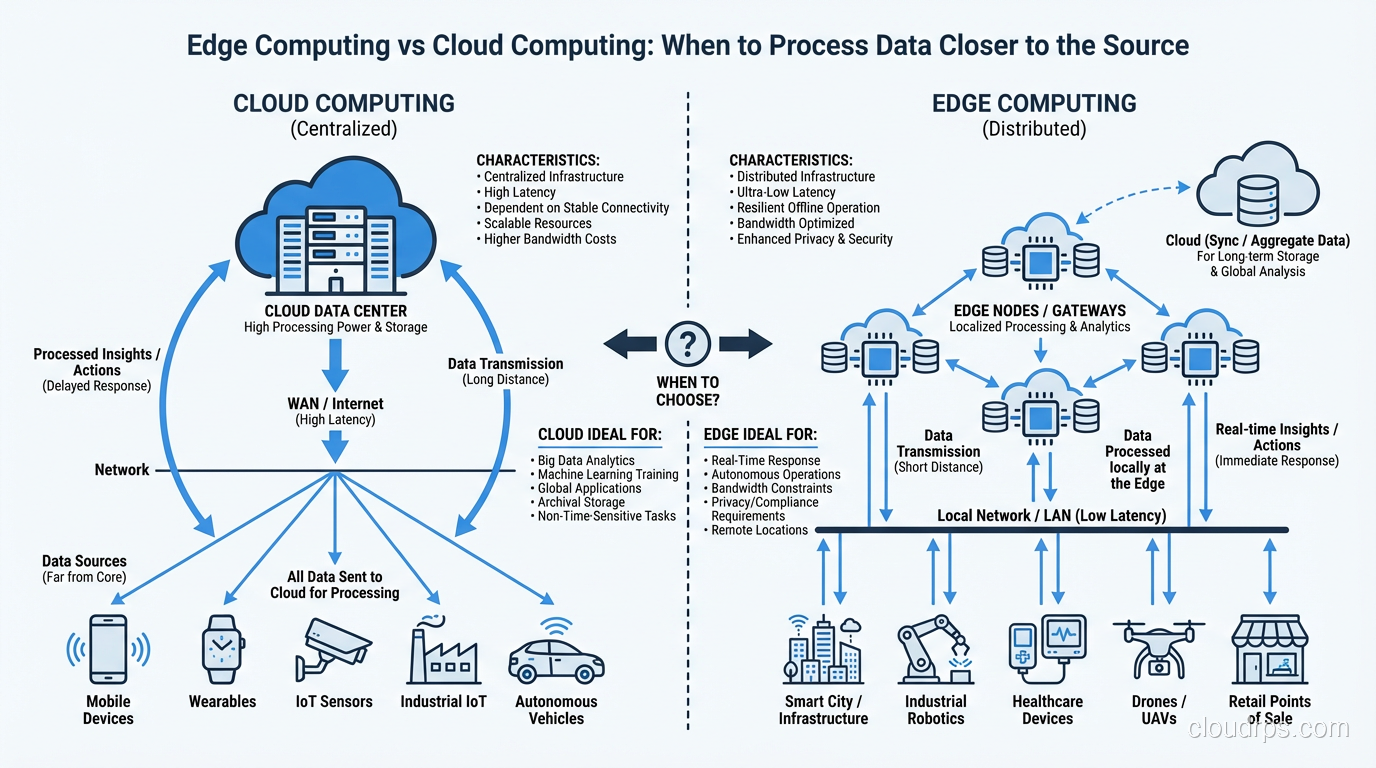
A practical comparison of edge and cloud computing: architectures, use cases, trade-offs, and how to decide where your workloads should run.

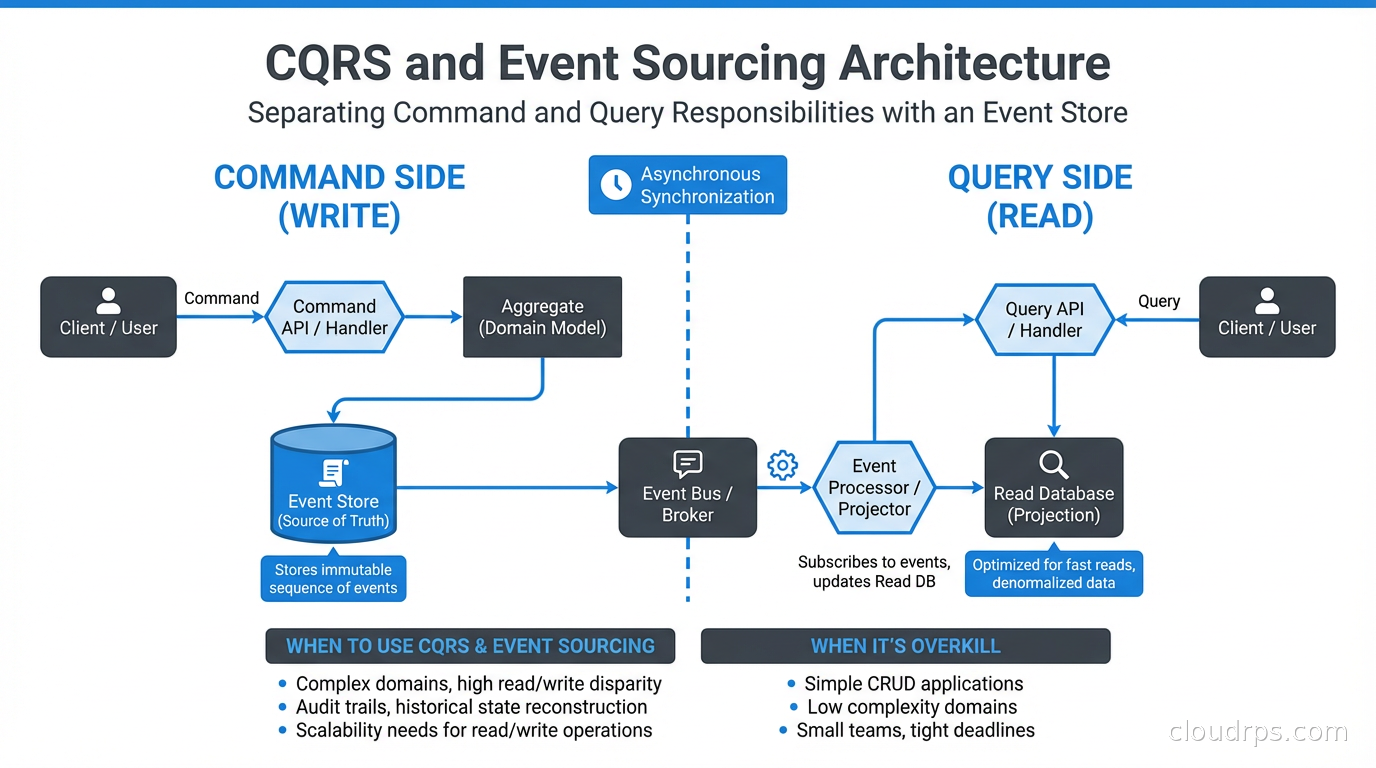
CQRS separates reads from writes. Event sourcing stores state as a sequence of events. Together they're powerful. Learn when they actually solve your problem and when they add unnecessary complexity.
Practical deep dives on infrastructure, security, and scaling. No spam, no fluff.
By subscribing, you agree to receive emails. Unsubscribe anytime.