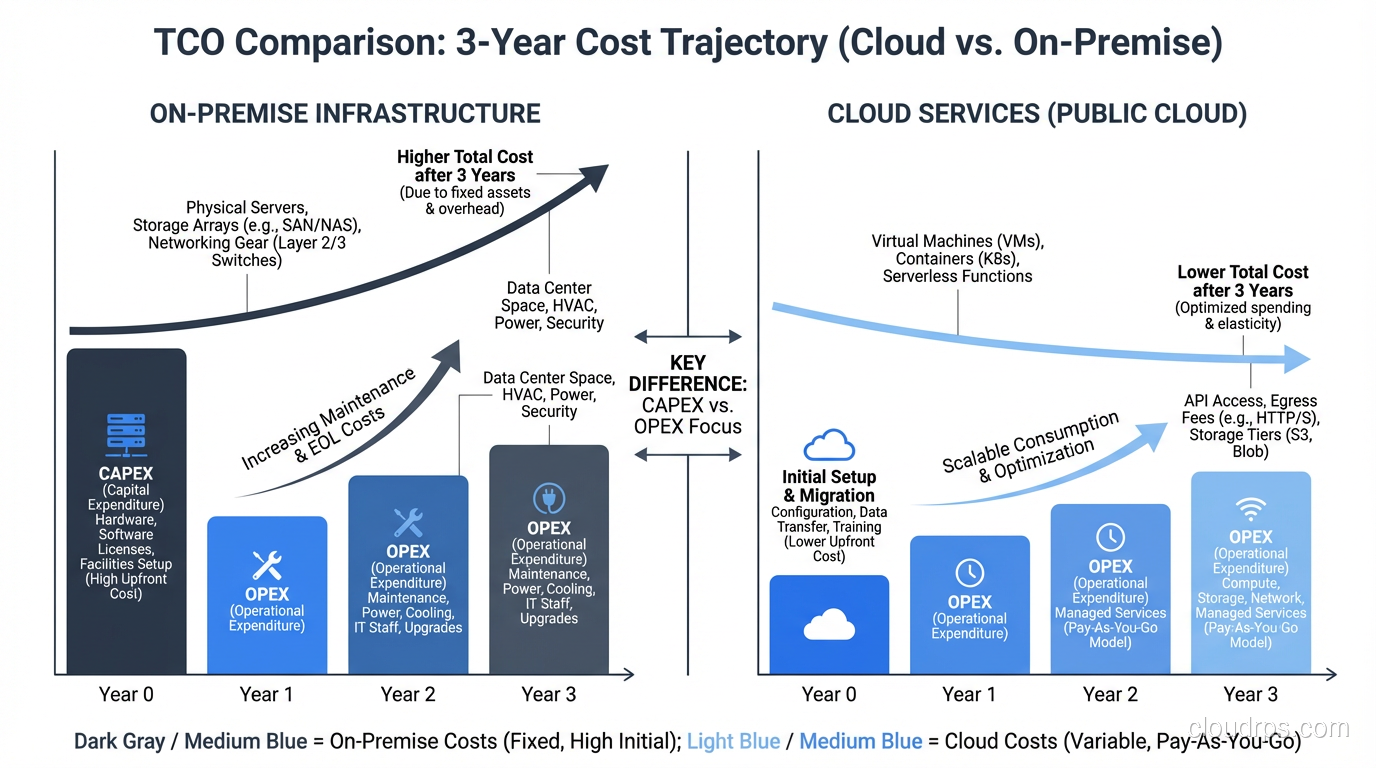
TCO in Cloud Computing: How to Calculate Total Cost of Ownership
How to calculate total cost of ownership for cloud computing from an architect who's done it wrong and learned the hard way. Real costs, hidden costs, and how to compare.

How to calculate total cost of ownership for cloud computing from an architect who's done it wrong and learned the hard way. Real costs, hidden costs, and how to compare.

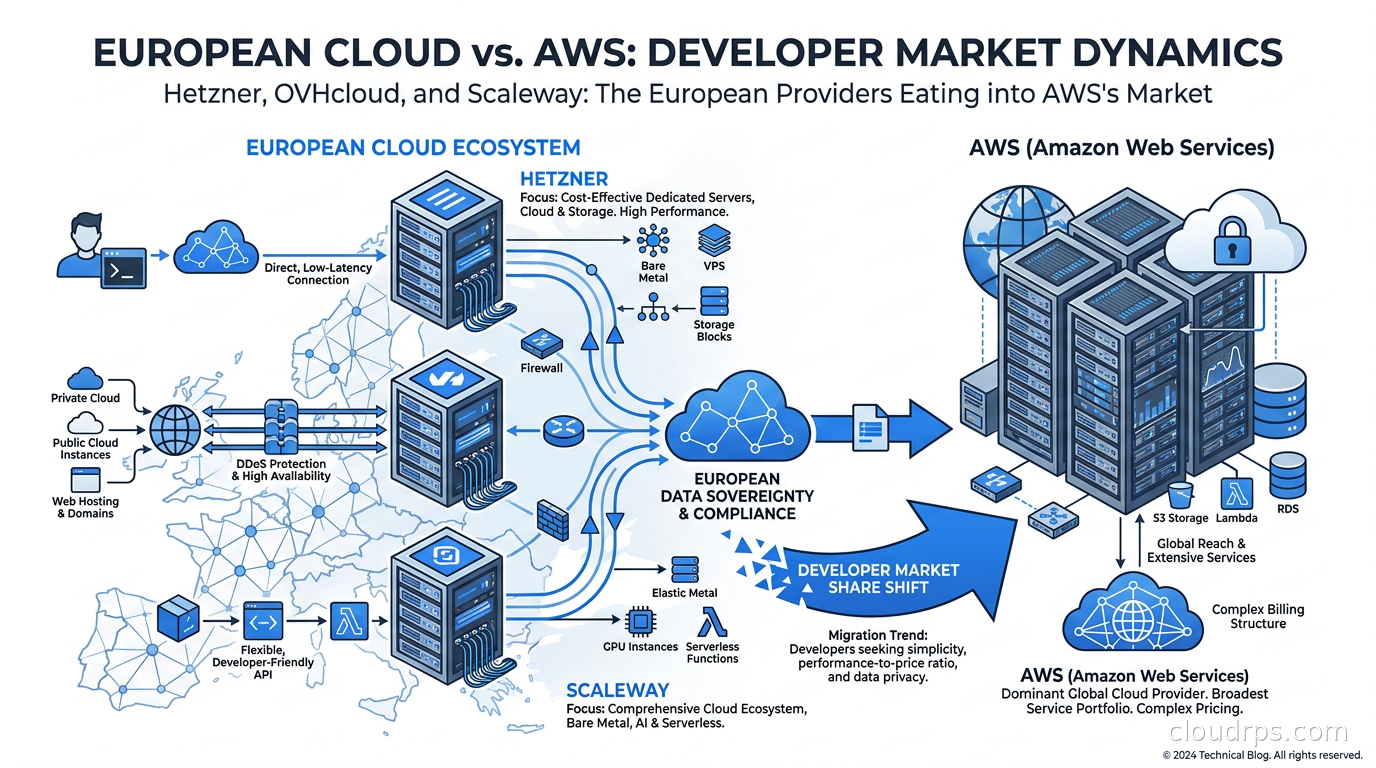
A practitioner's guide to European cloud alternatives. Real pricing, architecture patterns, and honest trade-offs for teams considering Hetzner, OVHcloud, and Scaleway over AWS, GCP, or Azure.

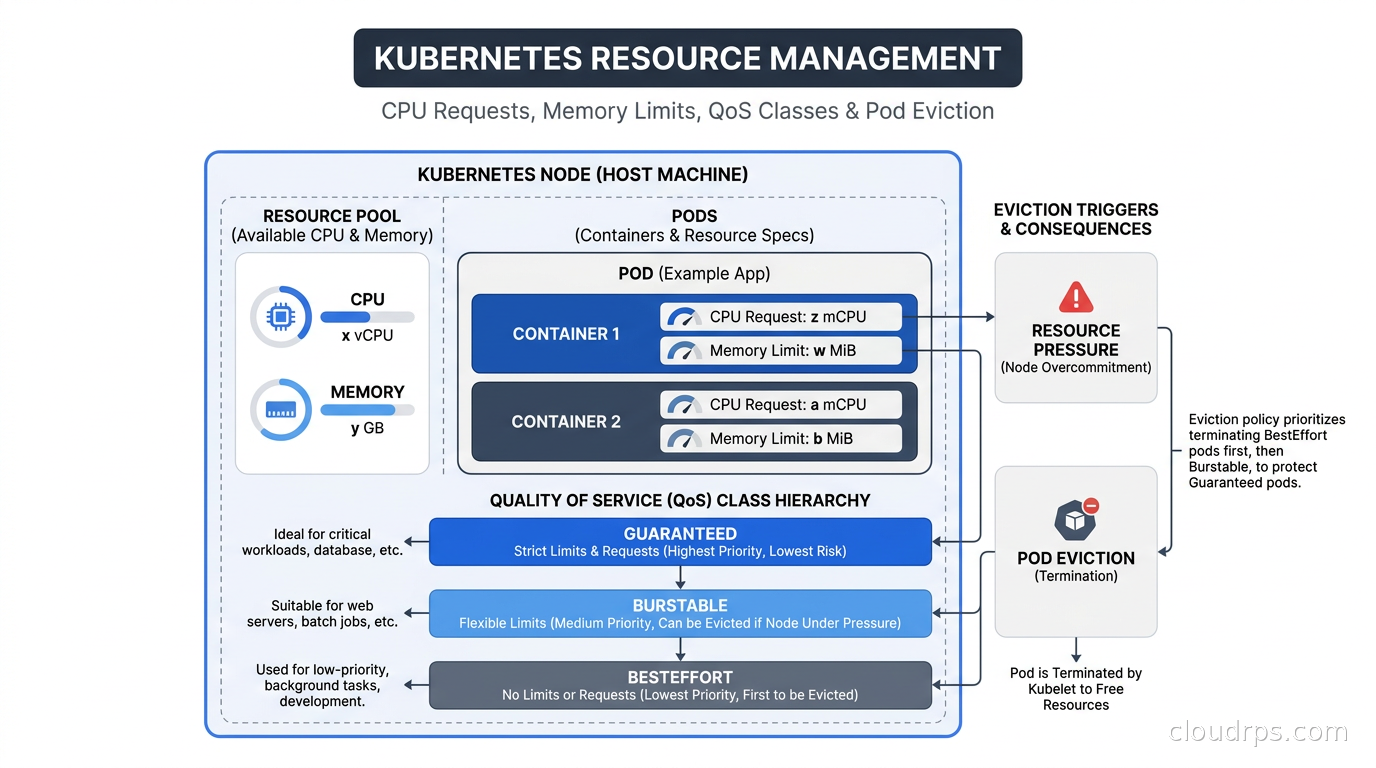
A deep dive into Kubernetes CPU requests, memory limits, QoS classes, LimitRange, and ResourceQuota. Learn why pods get OOMKilled and evicted, and how to right-size your workloads for reliable production clusters.

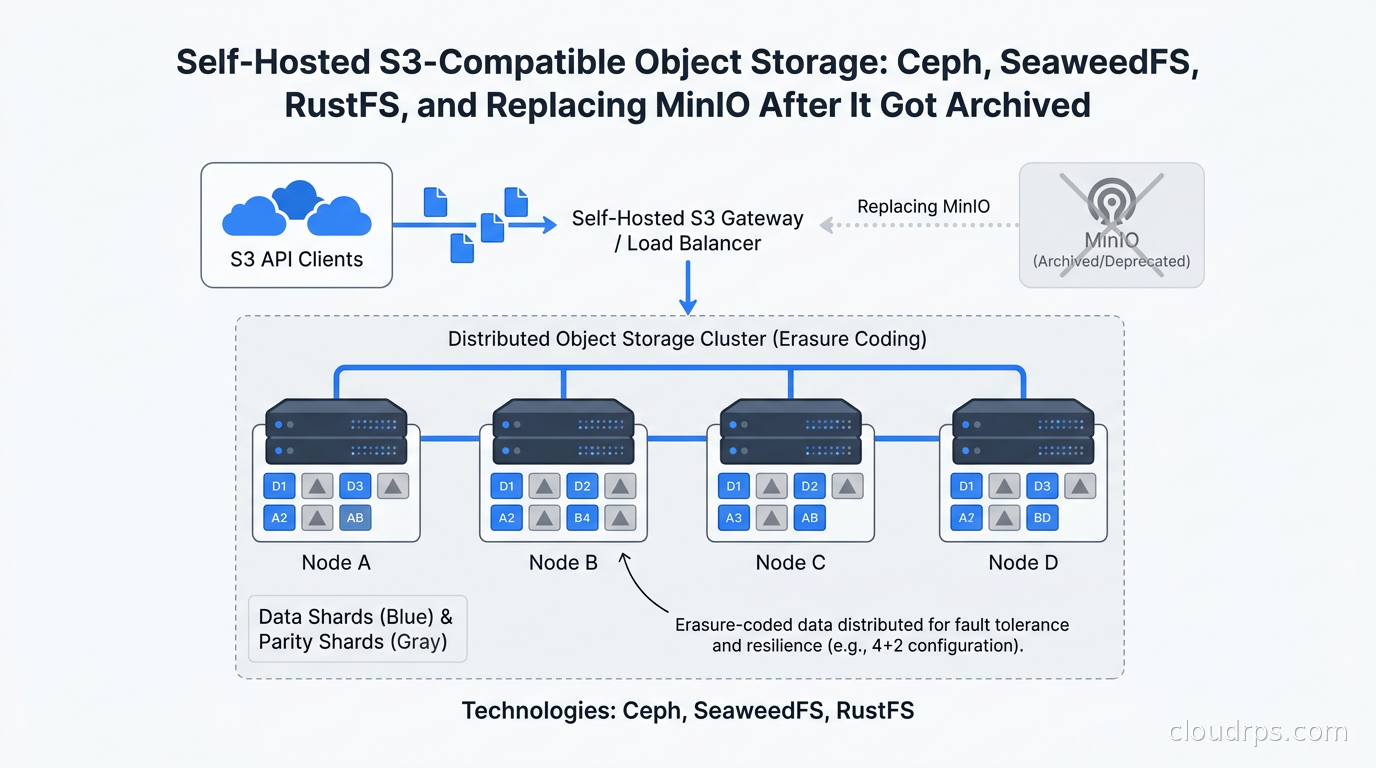
MinIO Community Edition was archived in early 2026. Here is the definitive guide to choosing and running self-hosted S3-compatible object storage: Ceph RadosGW, SeaweedFS, Garage, and RustFS compared with real architecture and cost math.

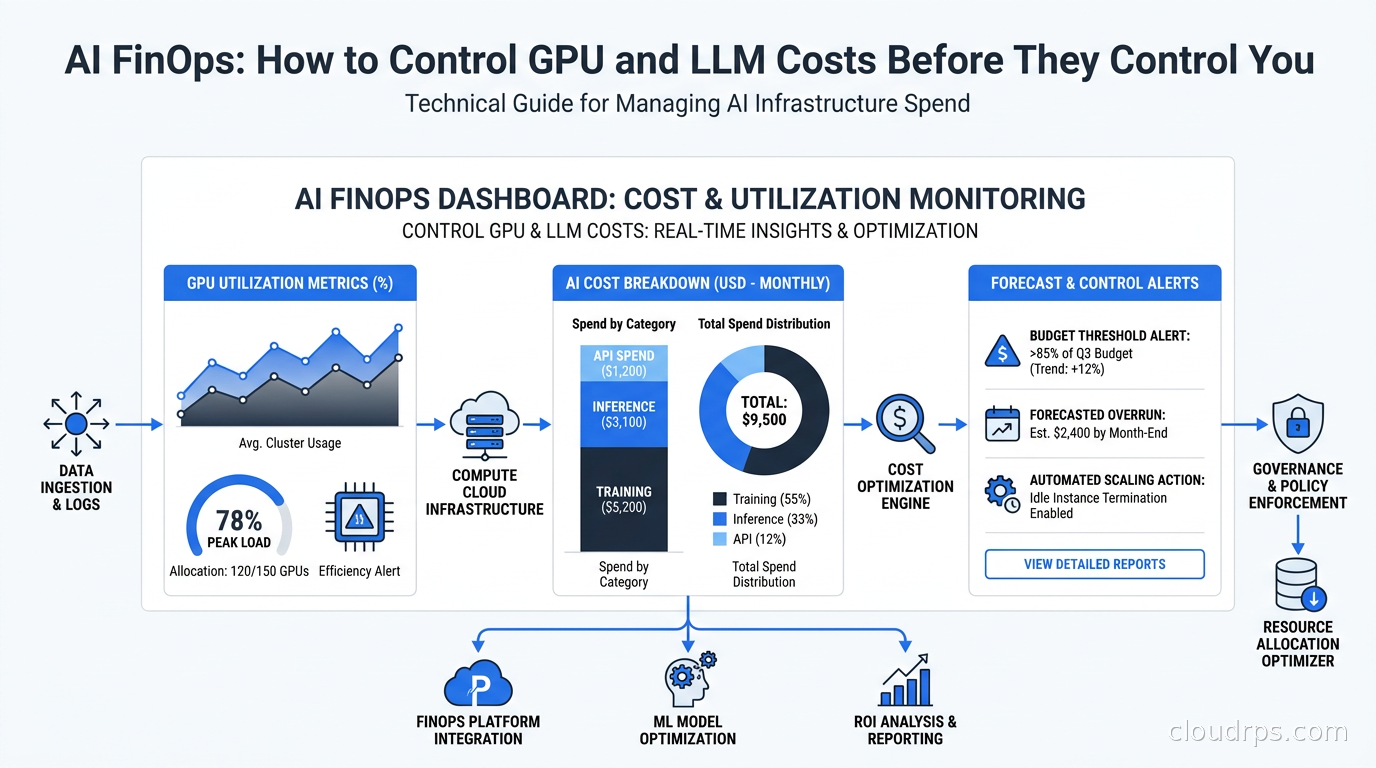
GPU bills are the new egress tax. Learn how to build a real AI FinOps practice: from cost anatomy to model routing to chargeback, before your CFO starts asking questions.

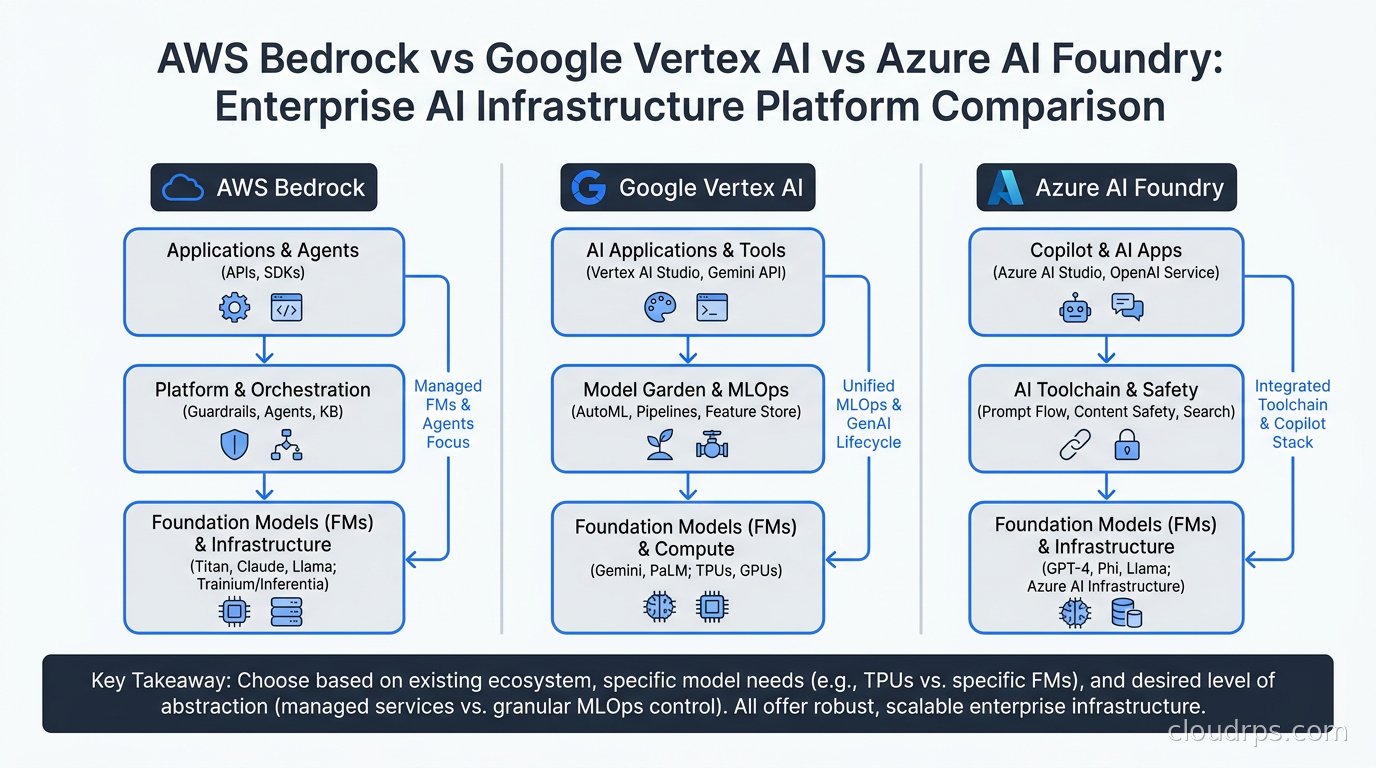
A principal cloud architect's honest comparison of AWS Bedrock, Google Vertex AI, and Azure AI Foundry for production AI workloads. Decision frameworks, real-world trade-offs, and how to avoid re-platforming in eighteen months.

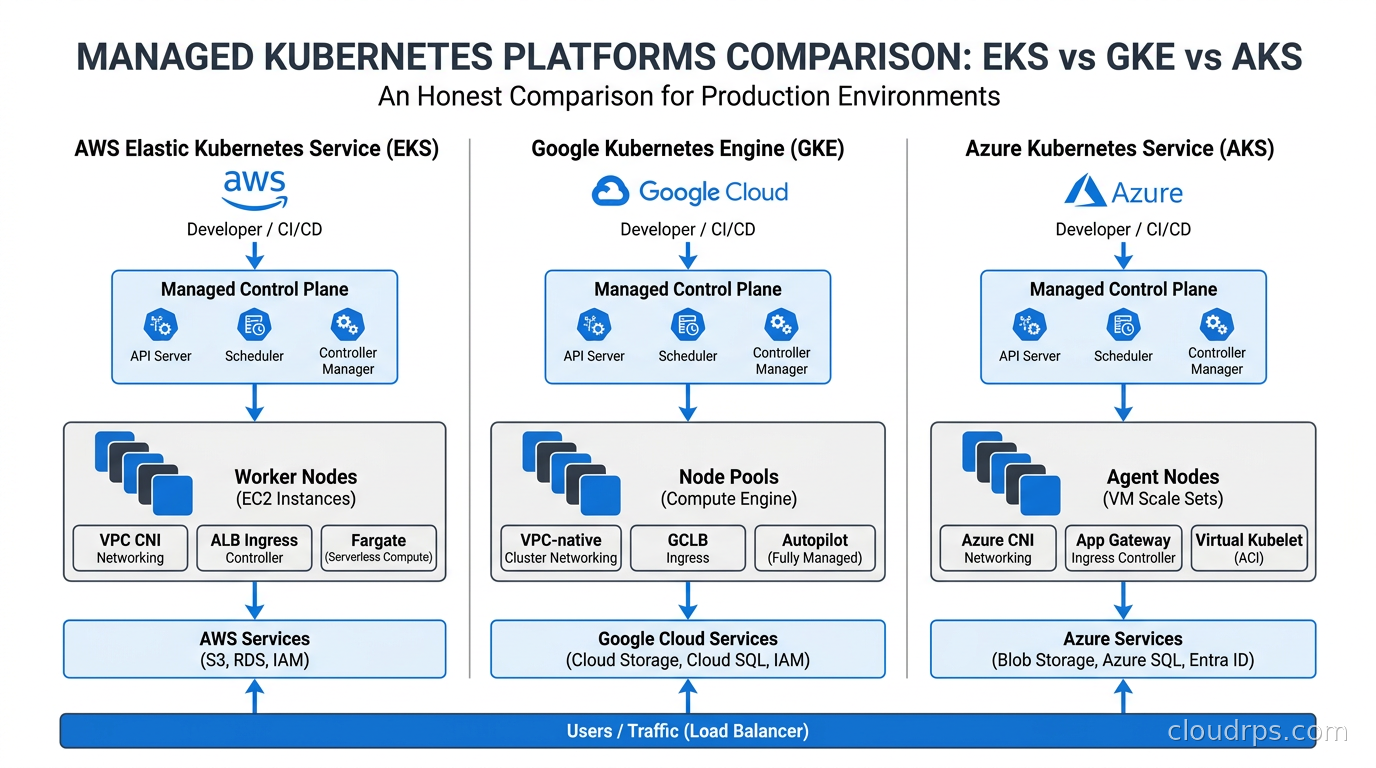
A hands-on comparison of AWS EKS, Google GKE, and Azure AKS covering control plane architecture, networking, cost models, AI workloads, and a practical framework for choosing the right managed Kubernetes platform.

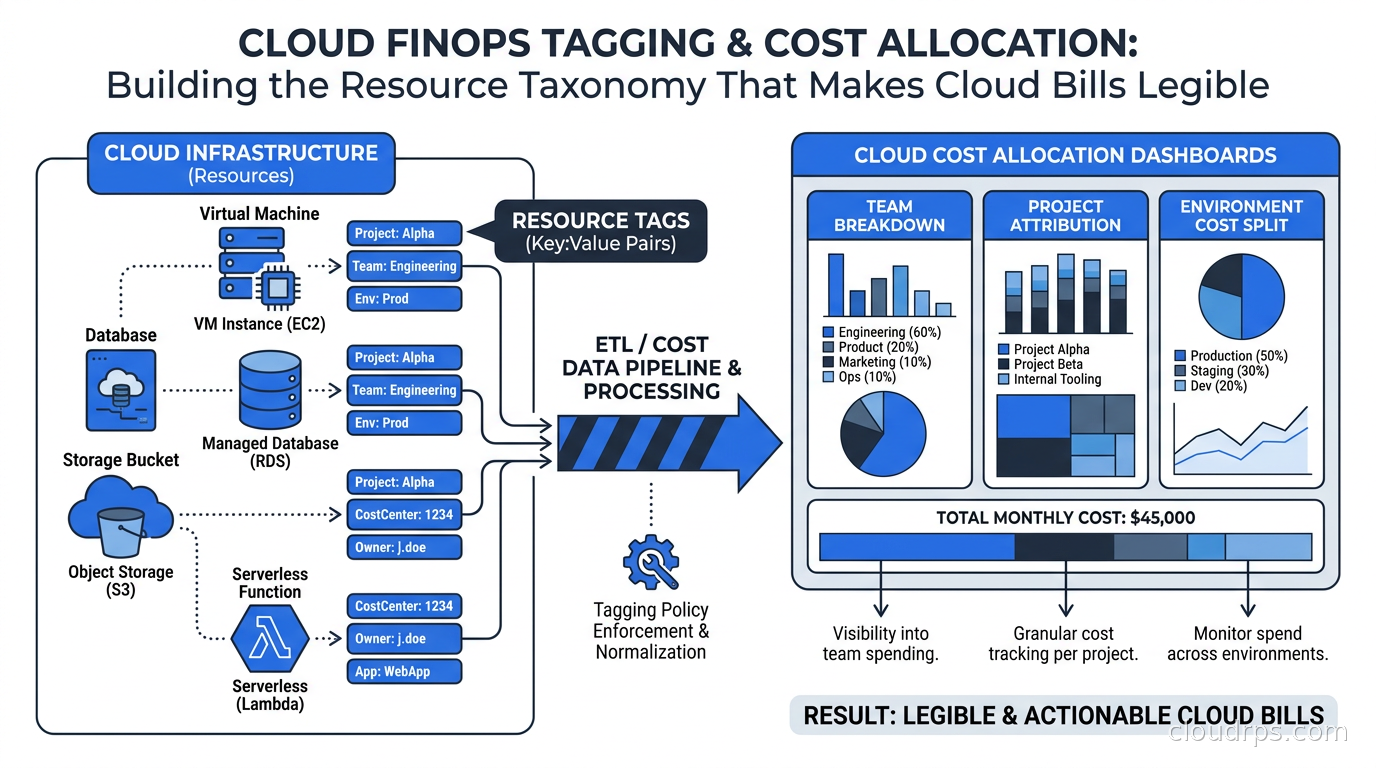
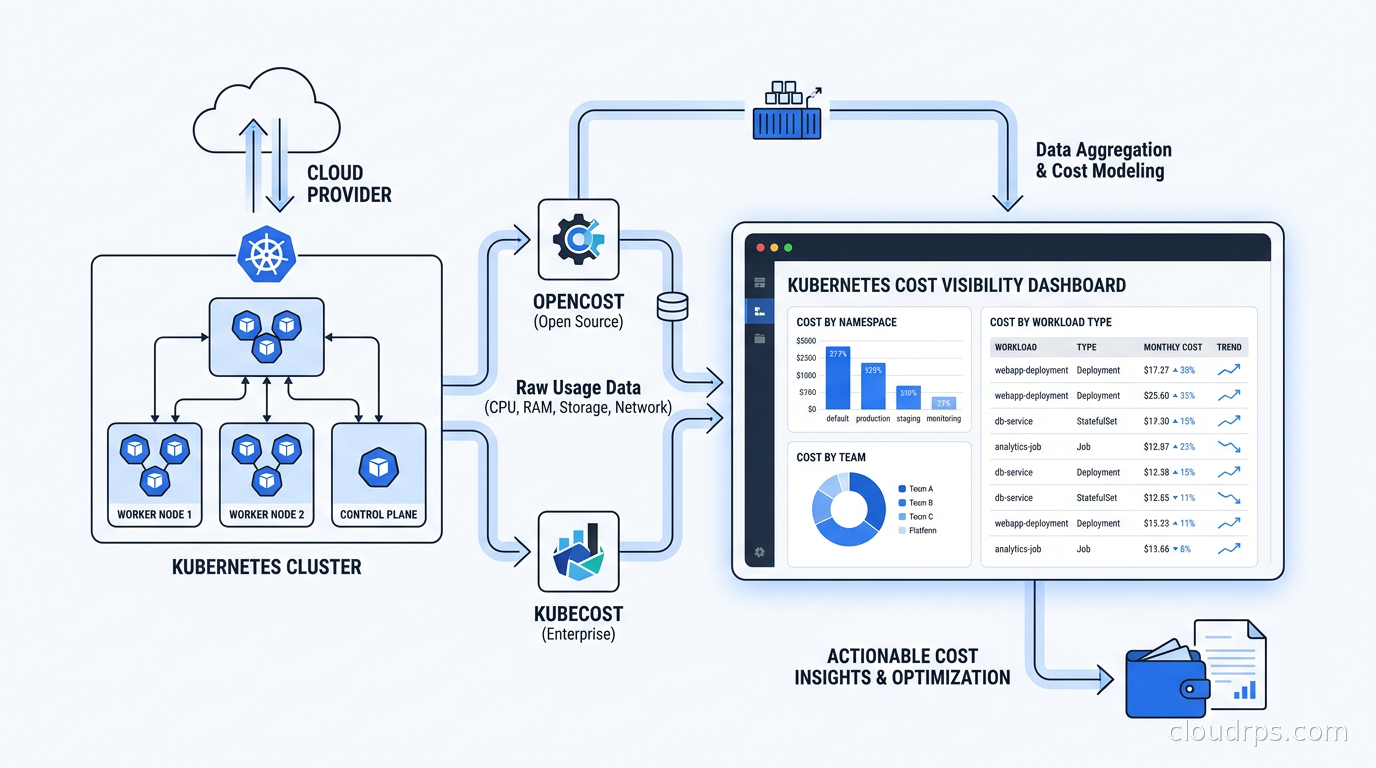
A practical guide to Kubernetes cost attribution using OpenCost and Kubecost. Learn how to implement showback and chargeback, right-size workloads, and stop overpaying for compute you are not using.

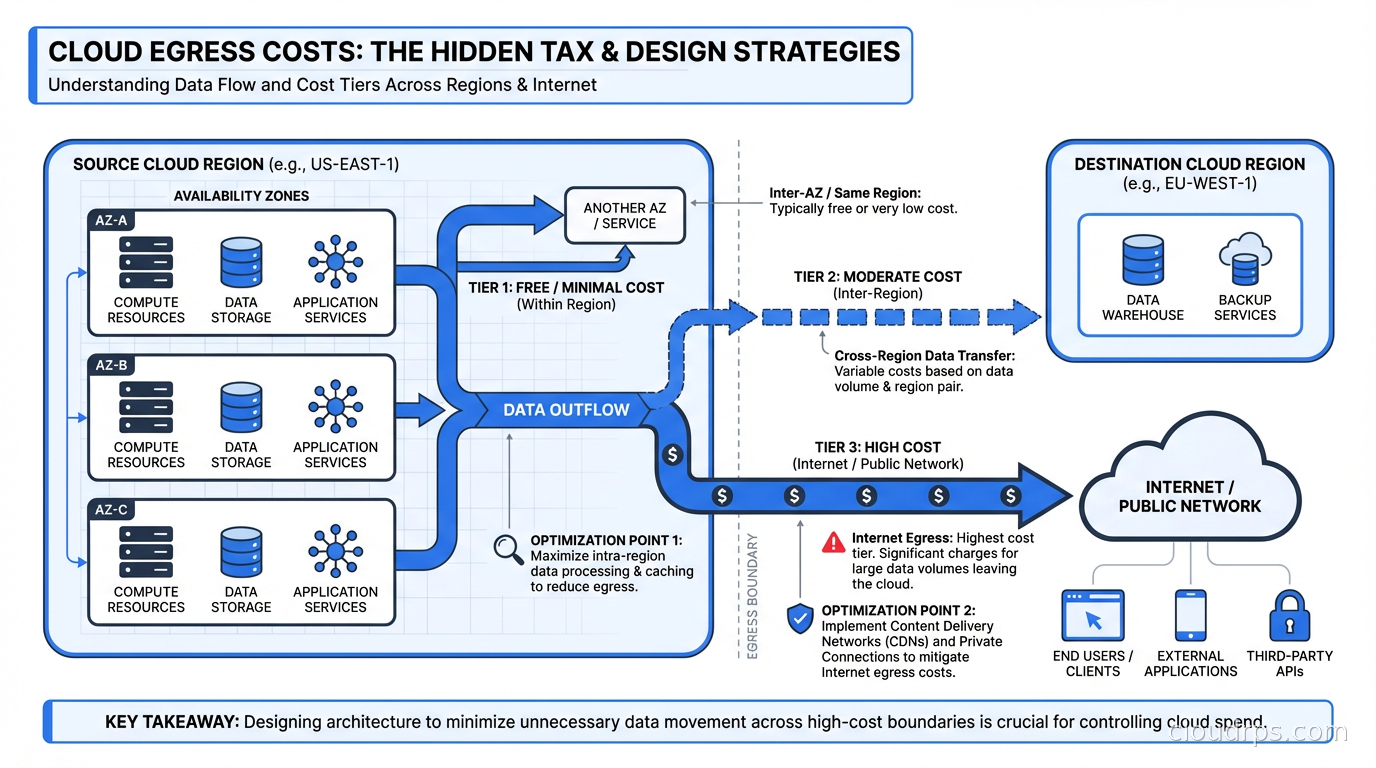
Cloud egress fees silently drain budgets because most engineers model compute and storage costs but ignore data movement. Here is how the pricing actually works, which architectural patterns create the worst bills, and how to engineer your way to a dramatically lower number.

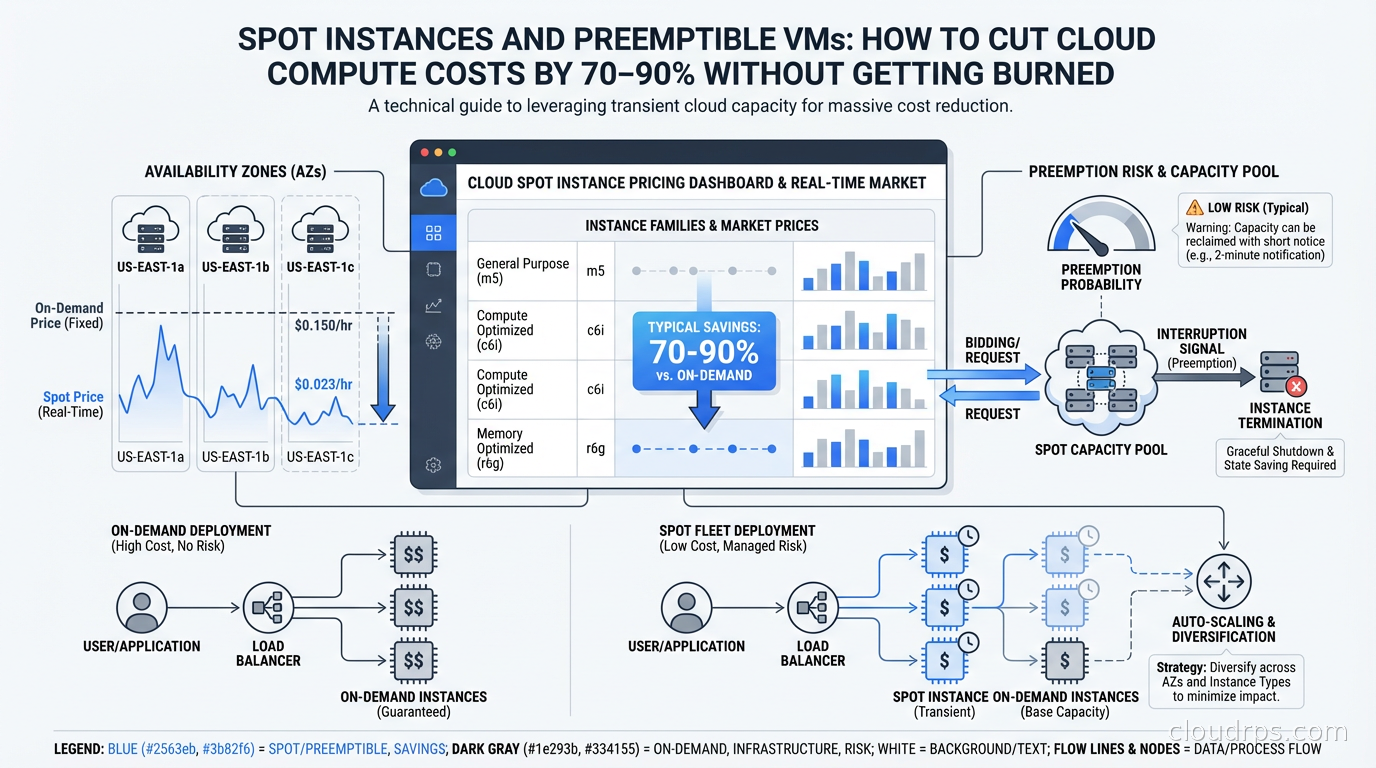
A principal cloud architect's guide to AWS Spot, GCP Spot VMs, and Azure Spot: how the spot market works, interruption handling patterns, instance diversity strategies, and which workloads actually belong on interruptible compute.

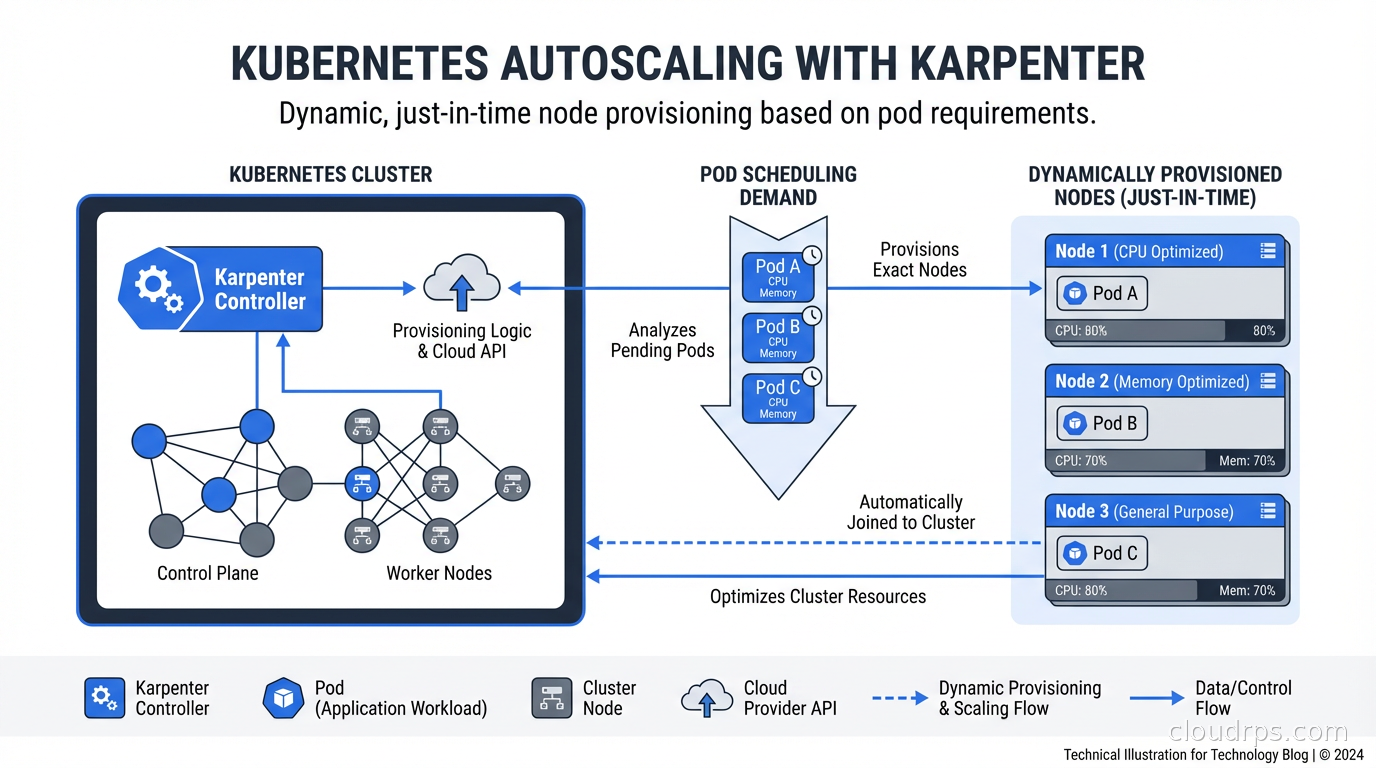
Karpenter replaces the Kubernetes Cluster Autoscaler with a faster, smarter node provisioner that cuts costs and response time. Here's how it works and why it matters.

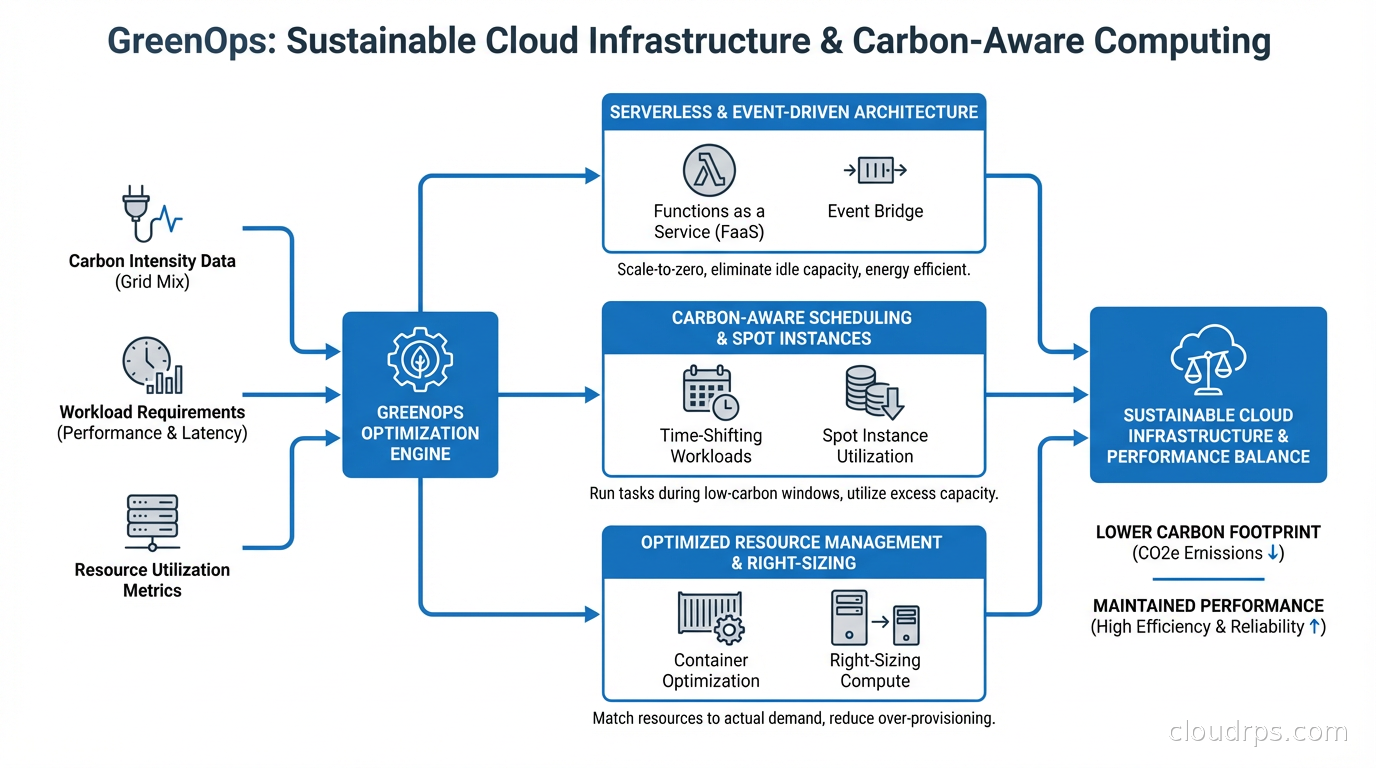
GreenOps applies cloud cost optimization thinking to carbon emissions. Learn how carbon-aware computing, right-sizing, and sustainable architecture choices can dramatically cut your infrastructure's environmental impact.

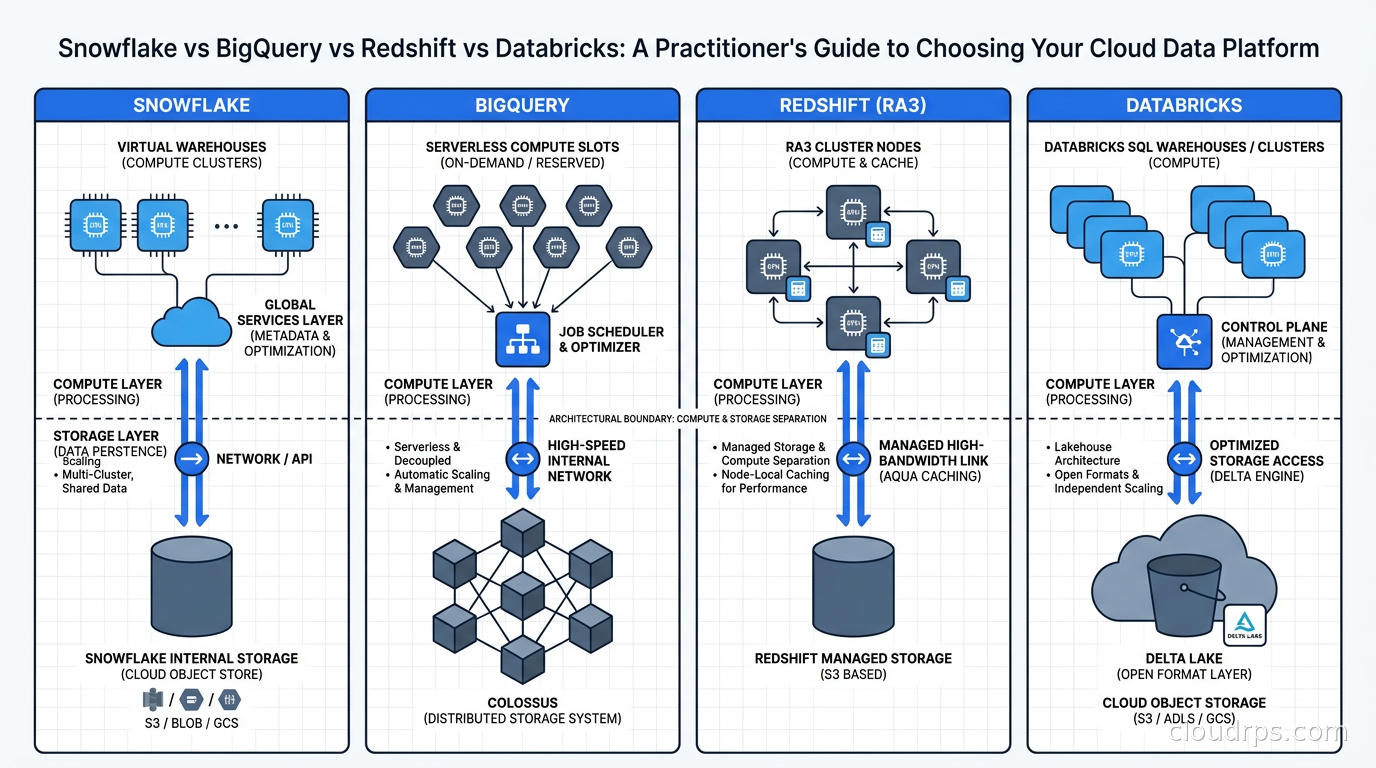
A no-BS comparison of Snowflake, BigQuery, Redshift, and Databricks from a principal cloud architect who has migrated between all four. Architecture, pricing, and when each platform actually makes sense.

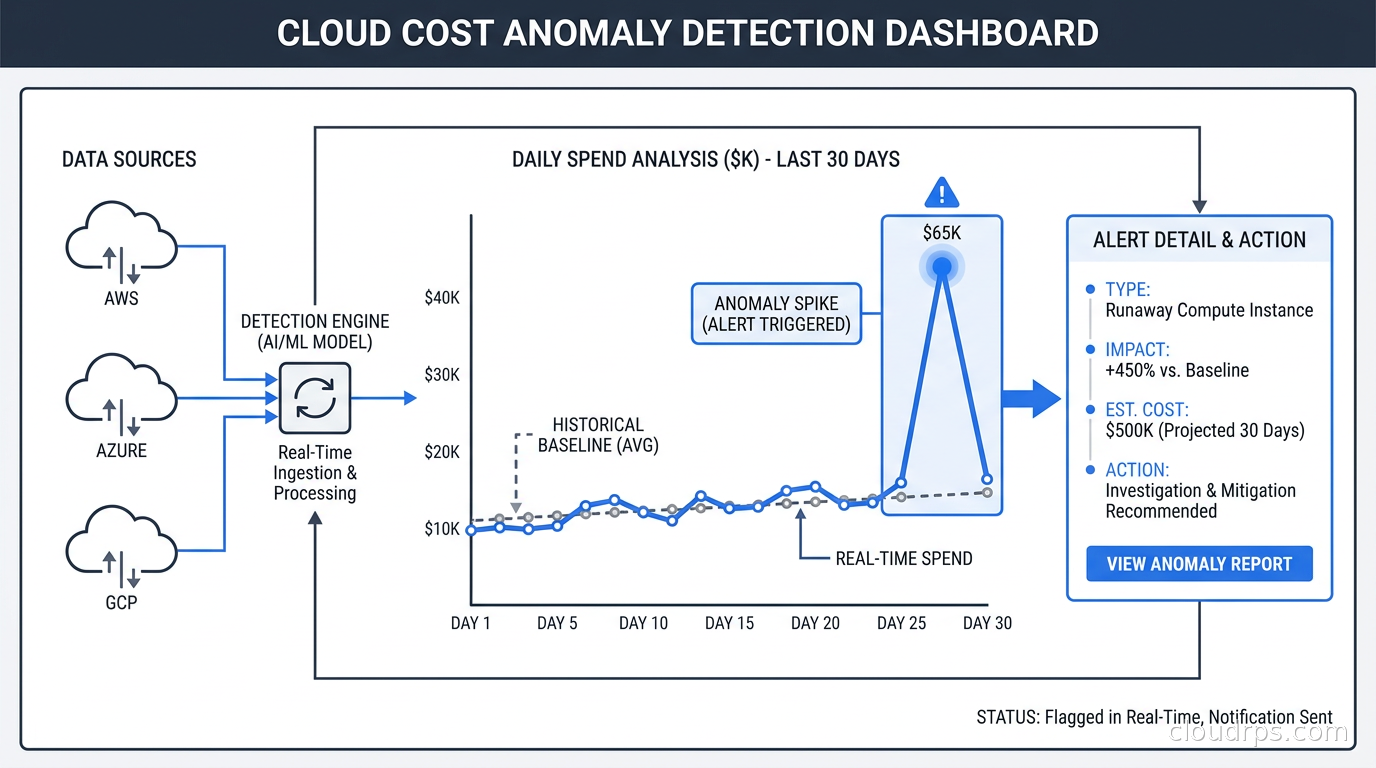
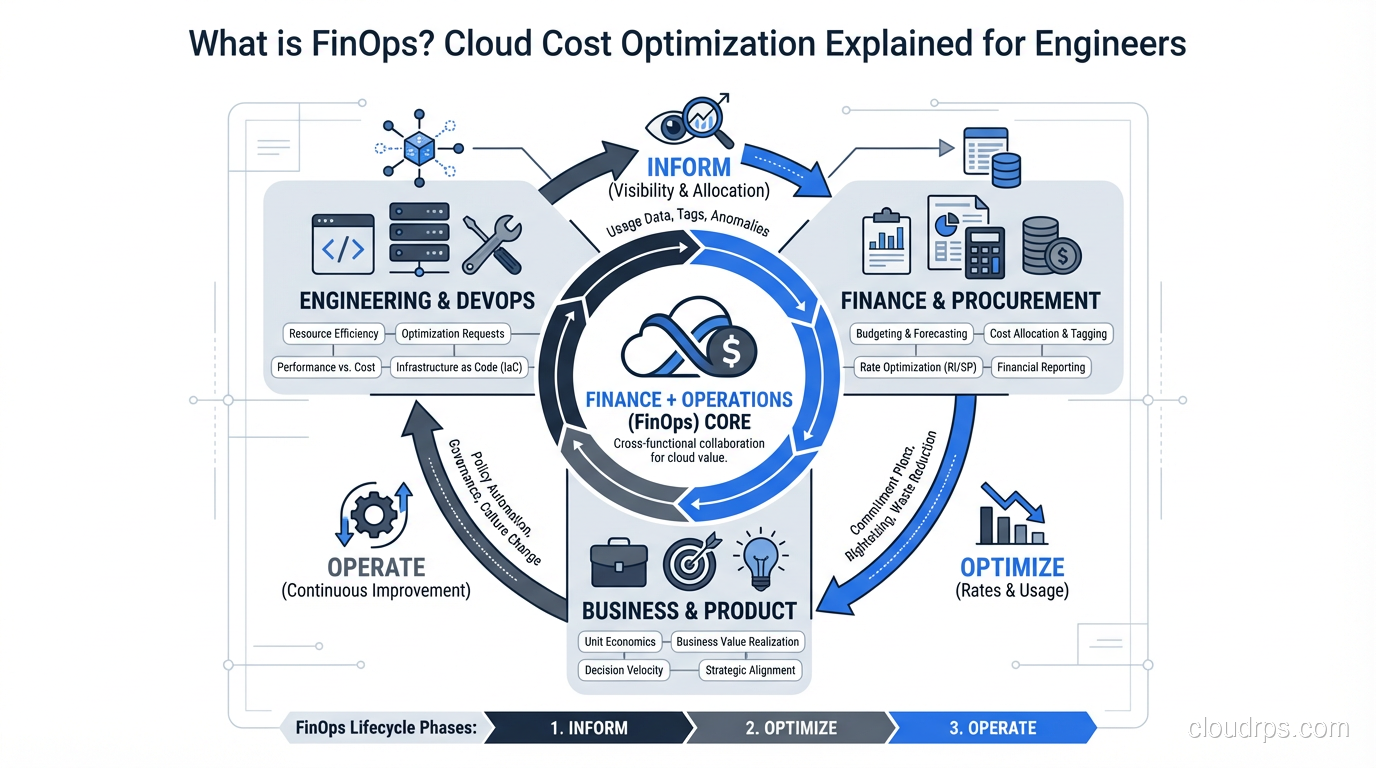
A practitioner's guide to FinOps: how engineering teams can take control of cloud costs without sacrificing velocity or innovation.

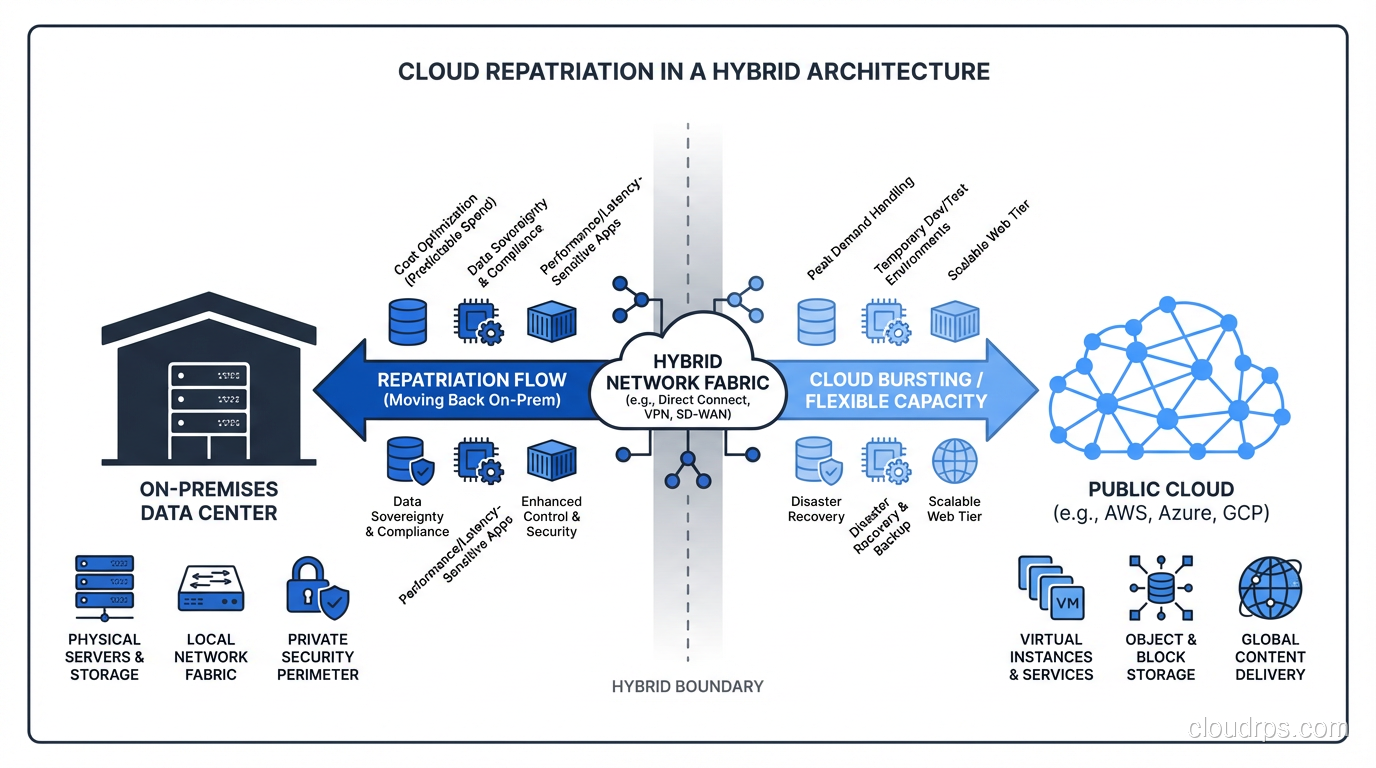
Cloud repatriation is the reverse journey: moving workloads from public cloud back to colocation or on-prem hardware. Here's when it makes sense, when it doesn't, and how to think through the decision.

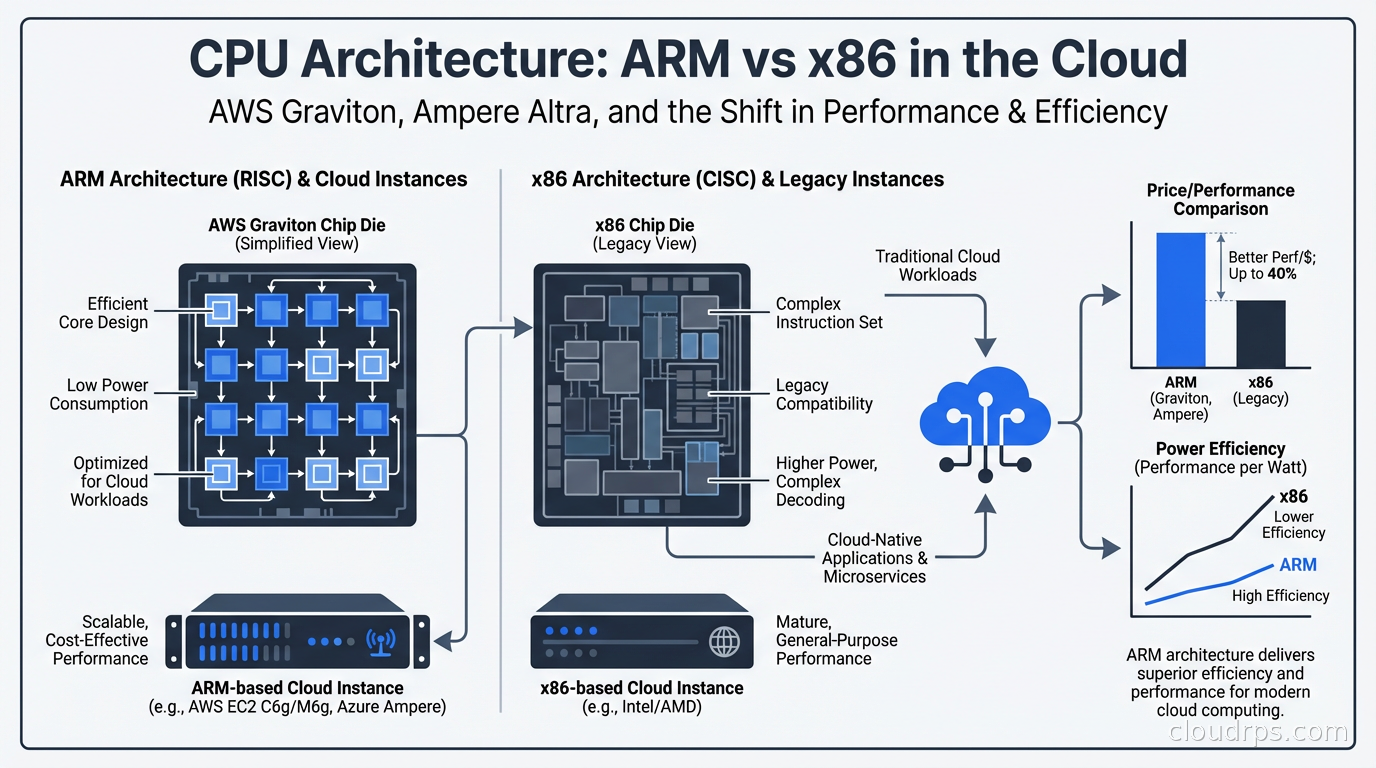
ARM-based cloud instances are delivering 40-60% better price-performance than x86 equivalents. Here's how AWS Graviton and Ampere Altra work, what workloads benefit most, and how to migrate.
Practical deep dives on infrastructure, security, and scaling. No spam, no fluff.
By subscribing, you agree to receive emails. Unsubscribe anytime.