Should You Run Databases on Kubernetes? A Honest Assessment
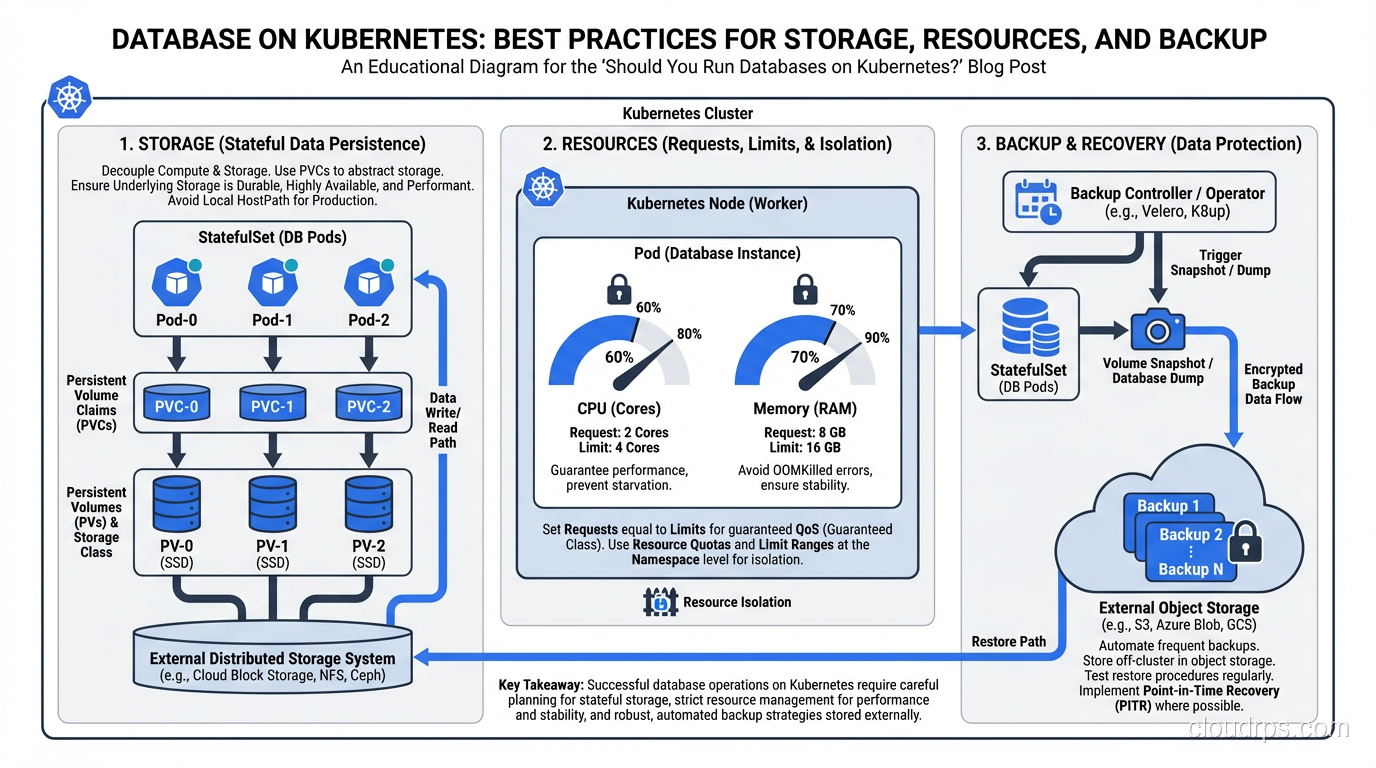
An honest assessment of running databases on Kubernetes from someone who's tried it. When it works, when it doesn't, and what you need to get right.

An honest assessment of running databases on Kubernetes from someone who's tried it. When it works, when it doesn't, and what you need to get right.

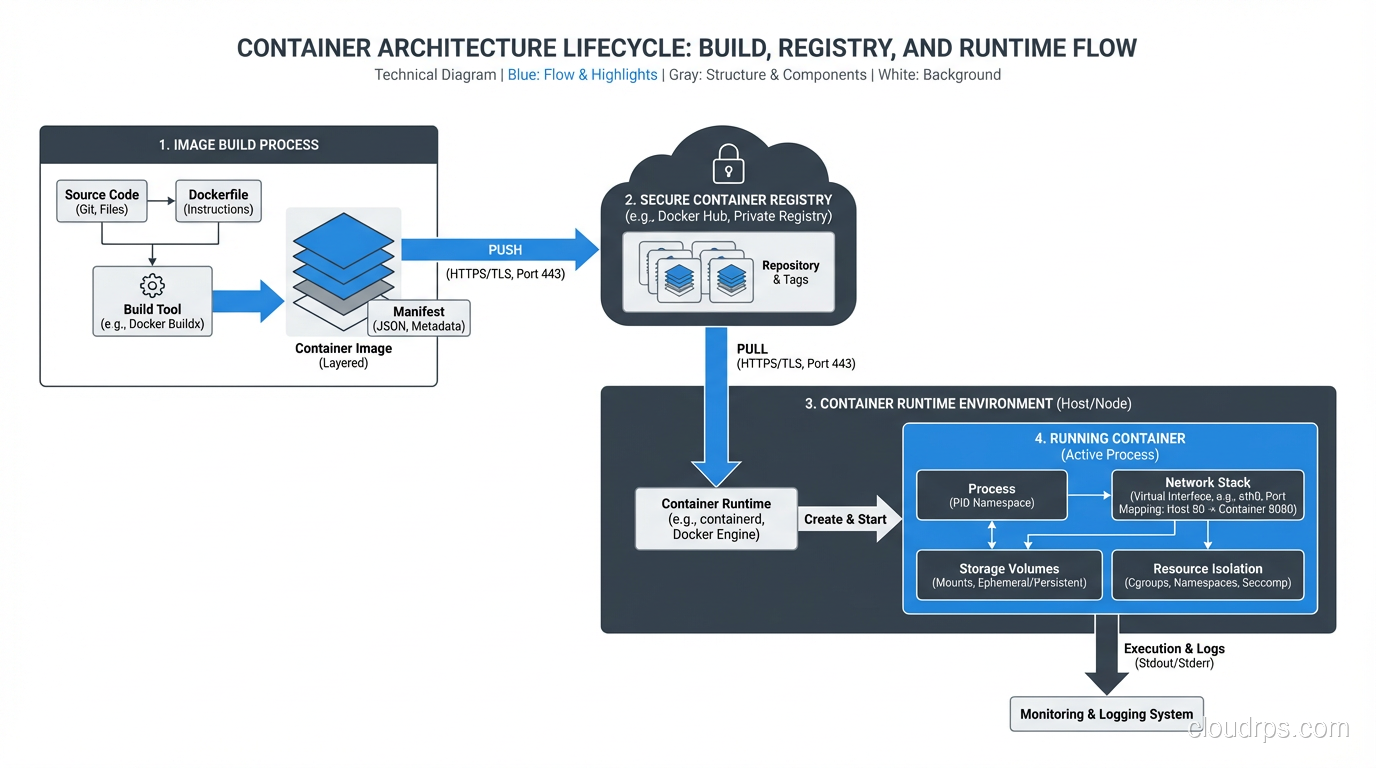
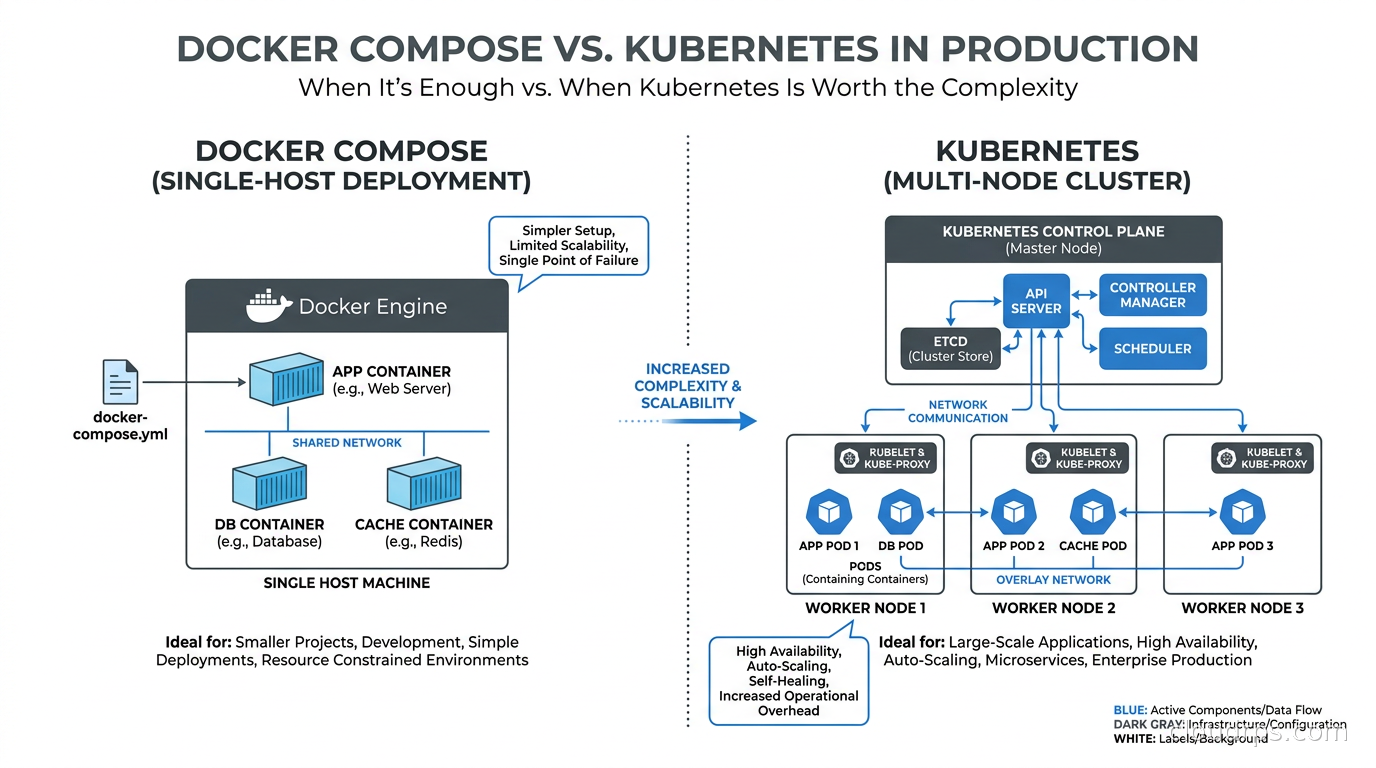
A senior architect's honest take on Kubernetes, Docker, and containers. What they are, when you need them, and when you absolutely don't.

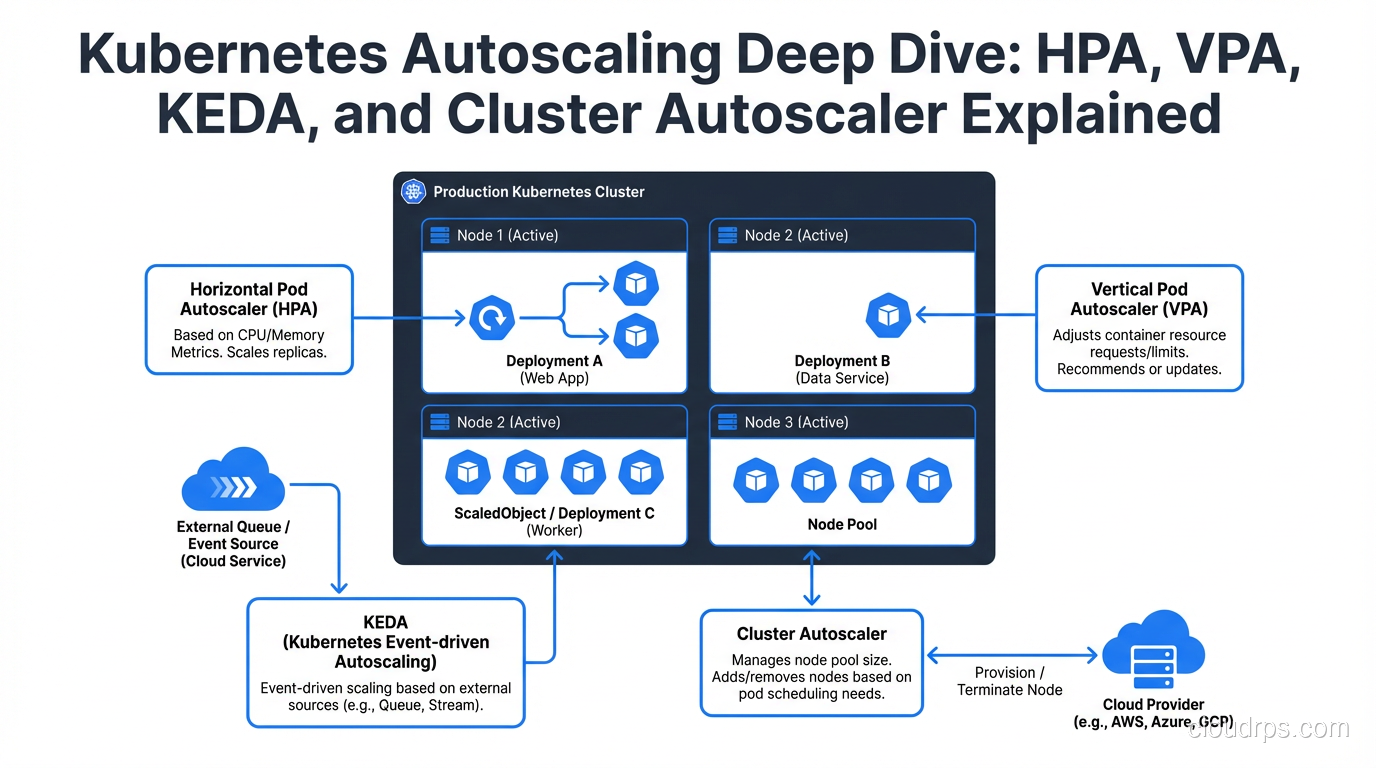
A practical guide to Kubernetes autoscaling: how HPA, VPA, KEDA, and Cluster Autoscaler work, when to use each, and how to avoid the pitfalls that catch most teams.

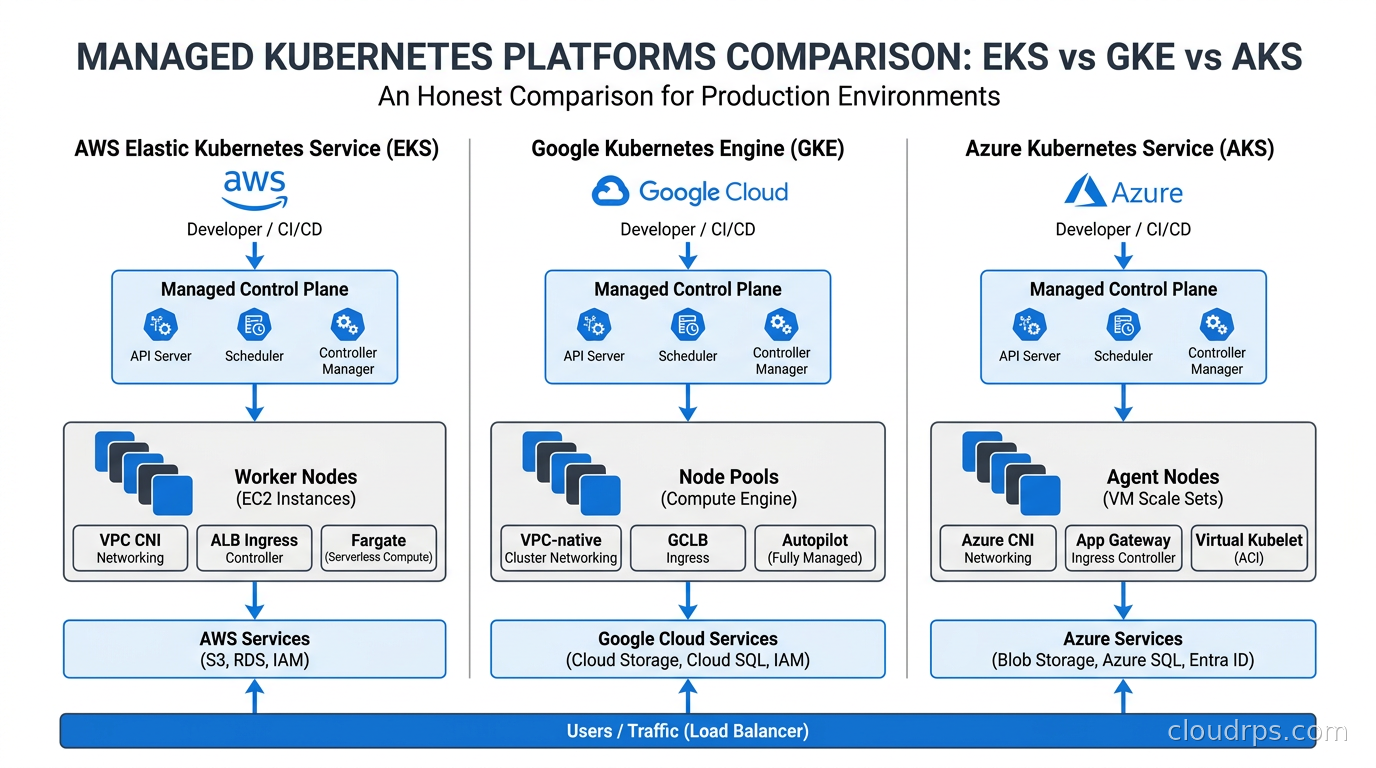
A hands-on comparison of AWS EKS, Google GKE, and Azure AKS covering control plane architecture, networking, cost models, AI workloads, and a practical framework for choosing the right managed Kubernetes platform.

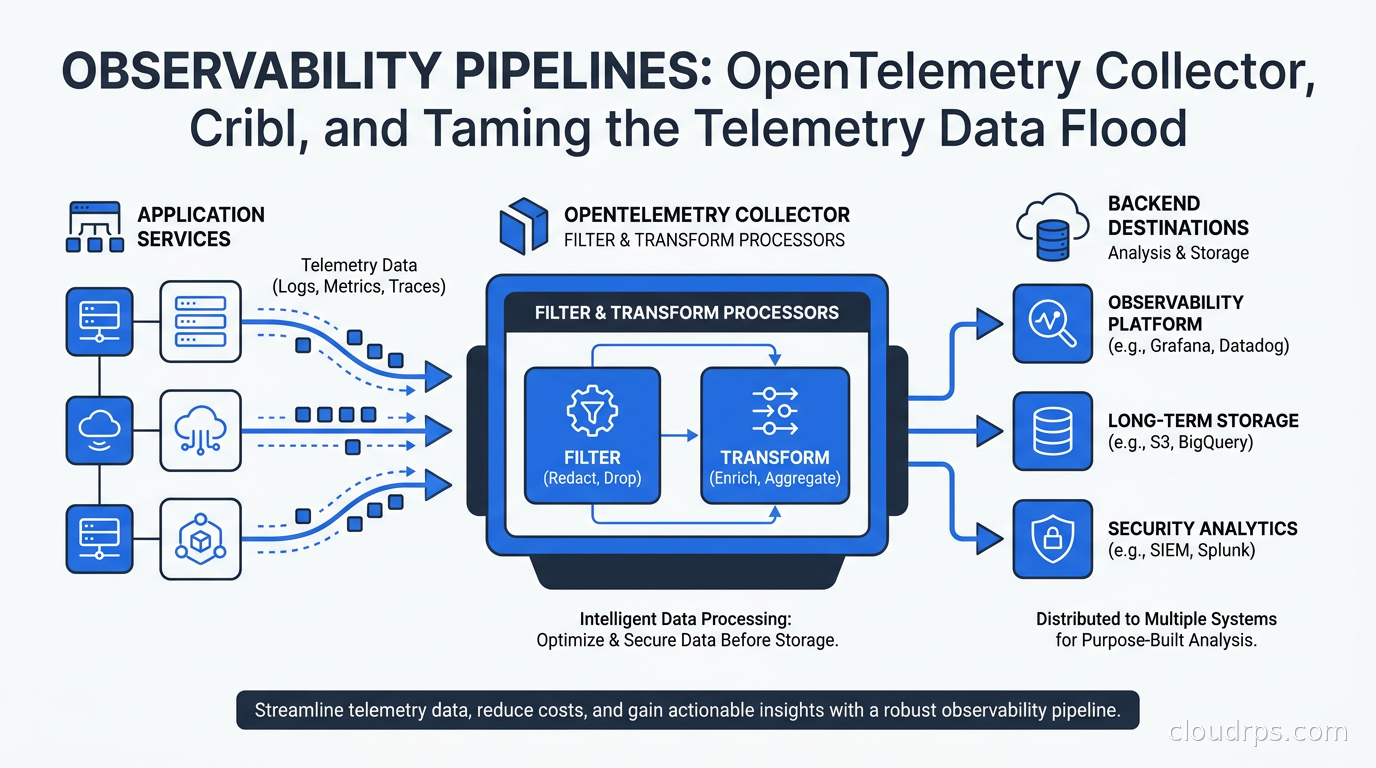
How to build observability pipelines with the OpenTelemetry Collector, Cribl, and Vector to cut telemetry costs 60-80% without losing diagnostic visibility.

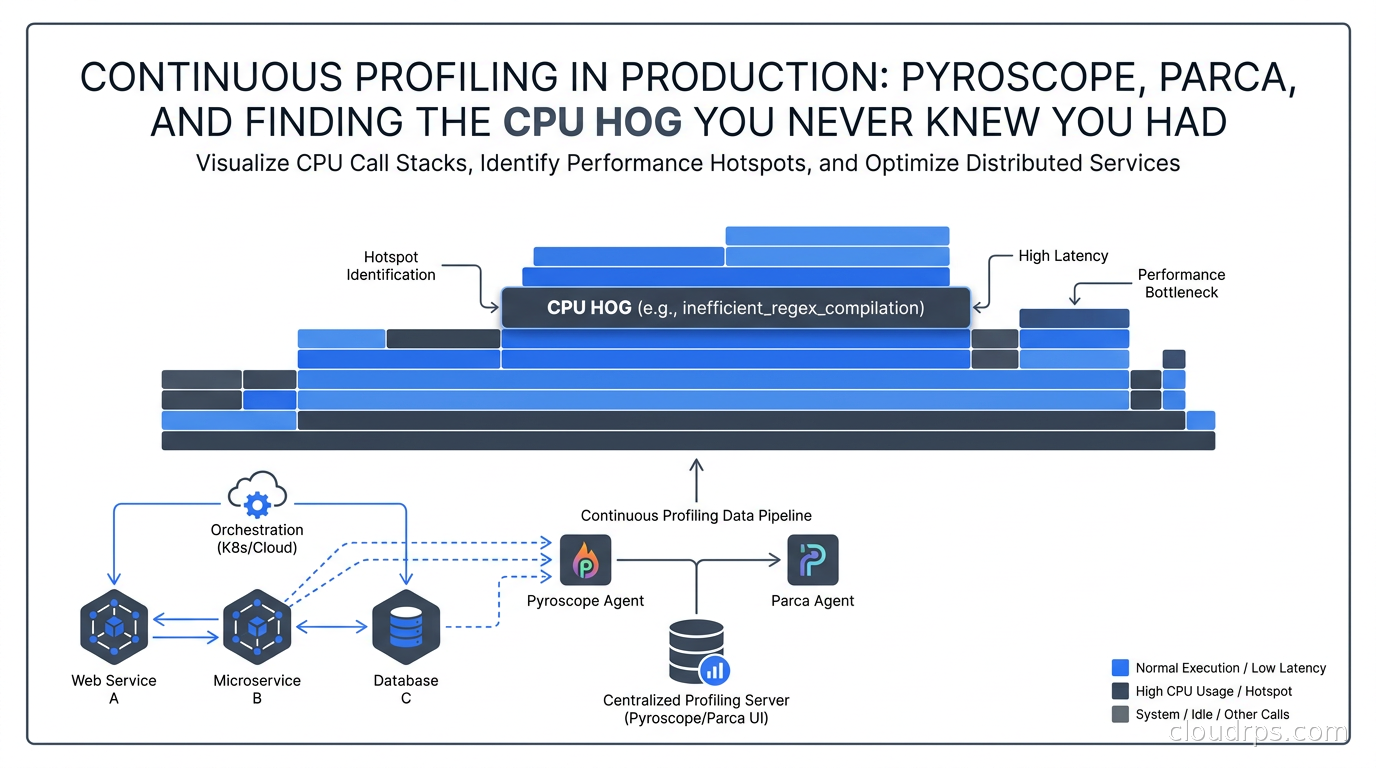
Continuous profiling is the fourth pillar of observability most teams skip. Learn how Pyroscope, Parca, and eBPF-based profilers find CPU and memory bottlenecks that metrics and traces can't.

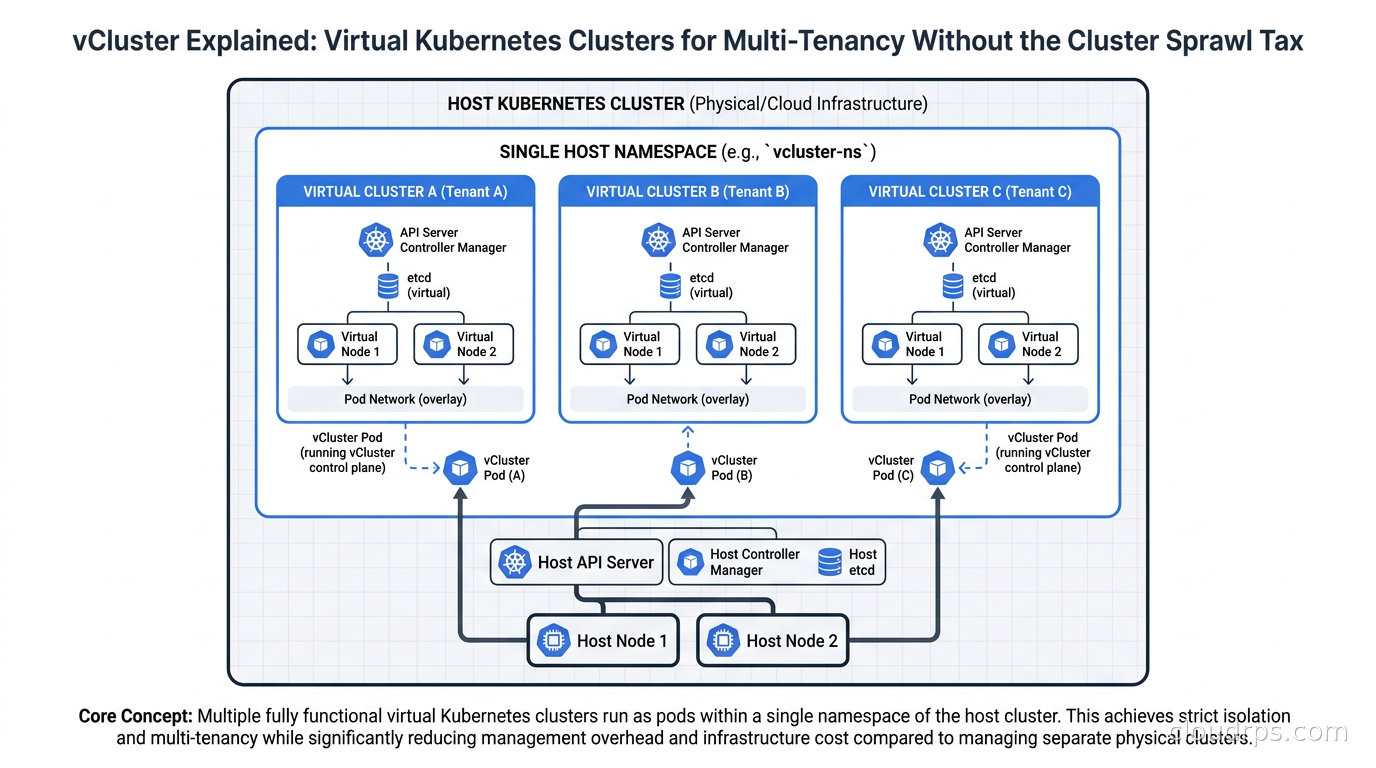
vCluster creates fully functional virtual Kubernetes clusters inside a single host cluster. Learn how it solves cluster sprawl, enables real multi-tenancy, and cuts costs by 60-80% compared to dedicated clusters per team.
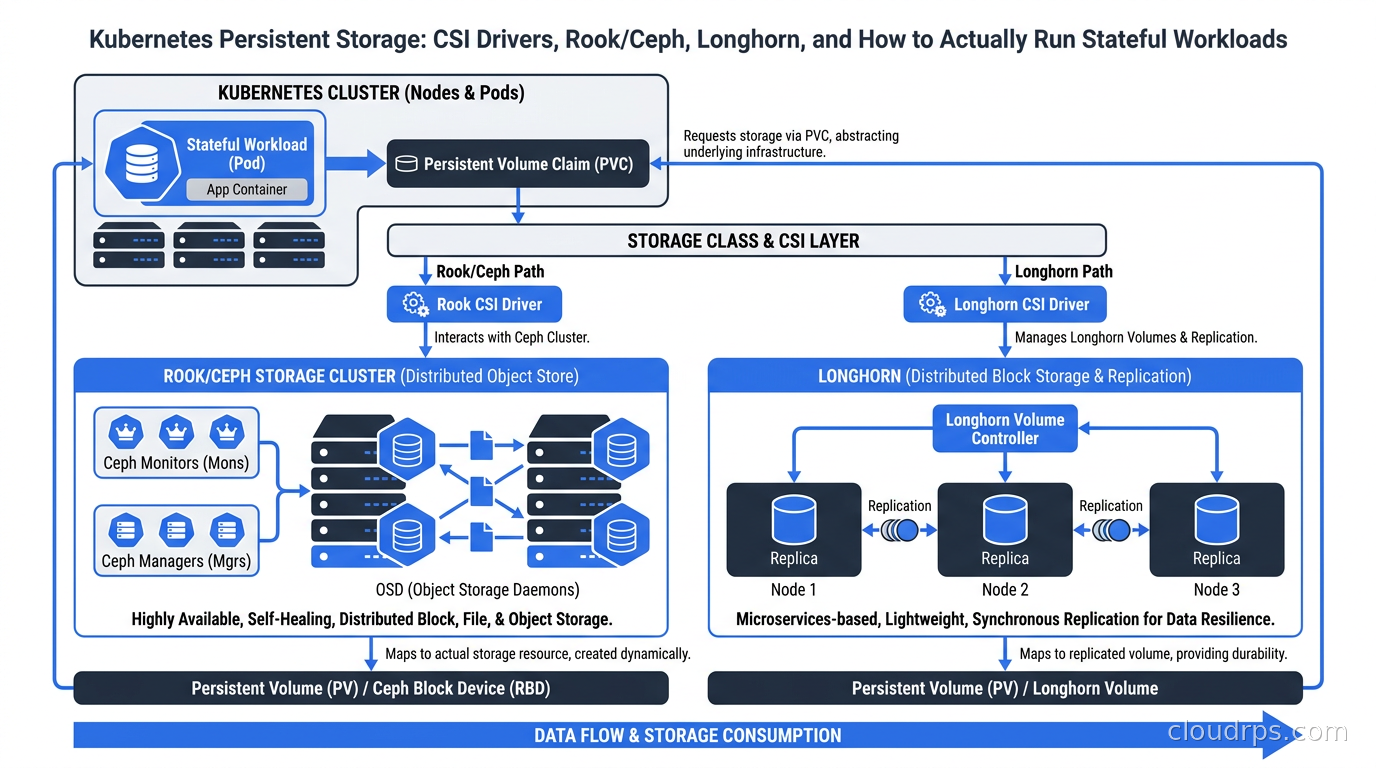
A deep dive into Kubernetes persistent storage: how CSI drivers work, when to use Rook/Ceph vs Longhorn vs cloud-native options, and the access mode traps that have broken more than one production migration.
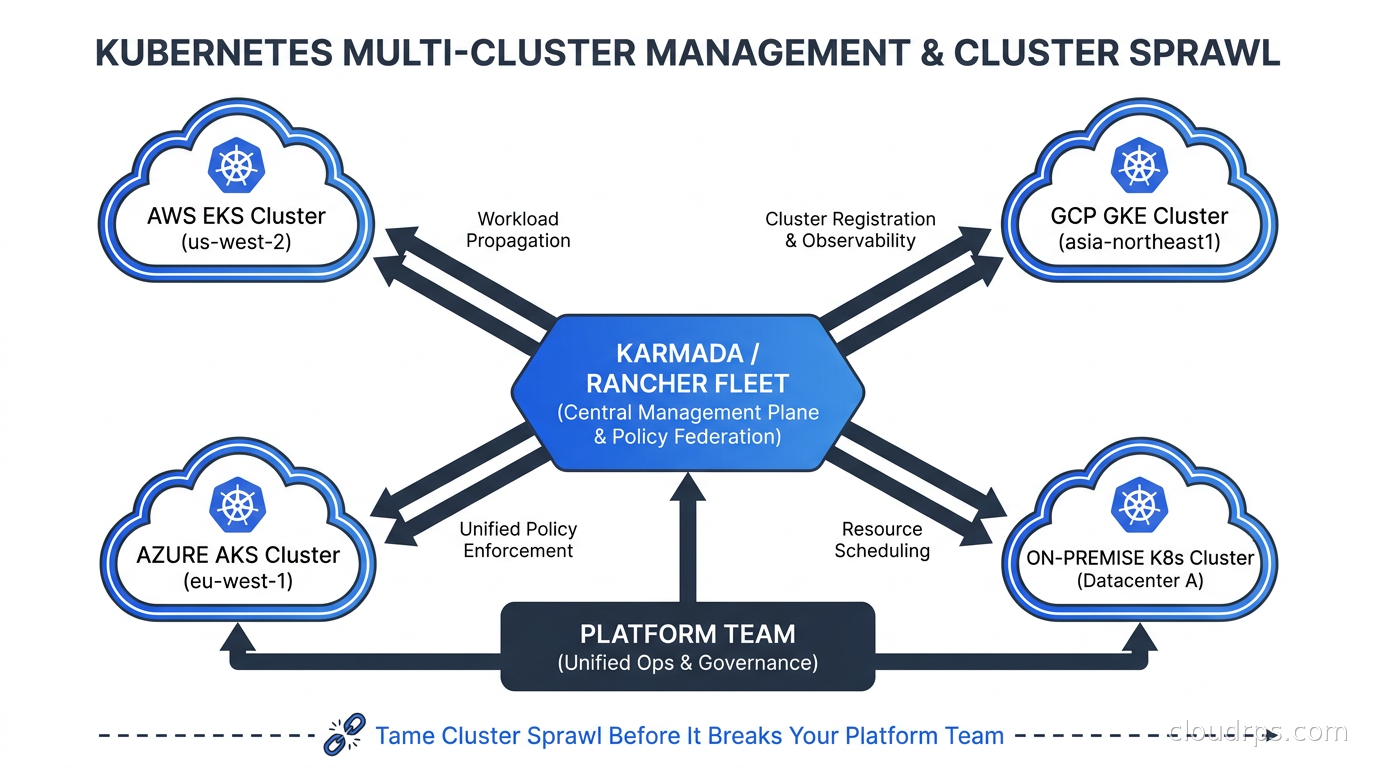
A principal cloud architect's guide to managing fleets of Kubernetes clusters. Covers Karmada, Rancher Fleet, Open Cluster Management, ArgoCD ApplicationSets, policy federation, and the economics of cluster sprawl.

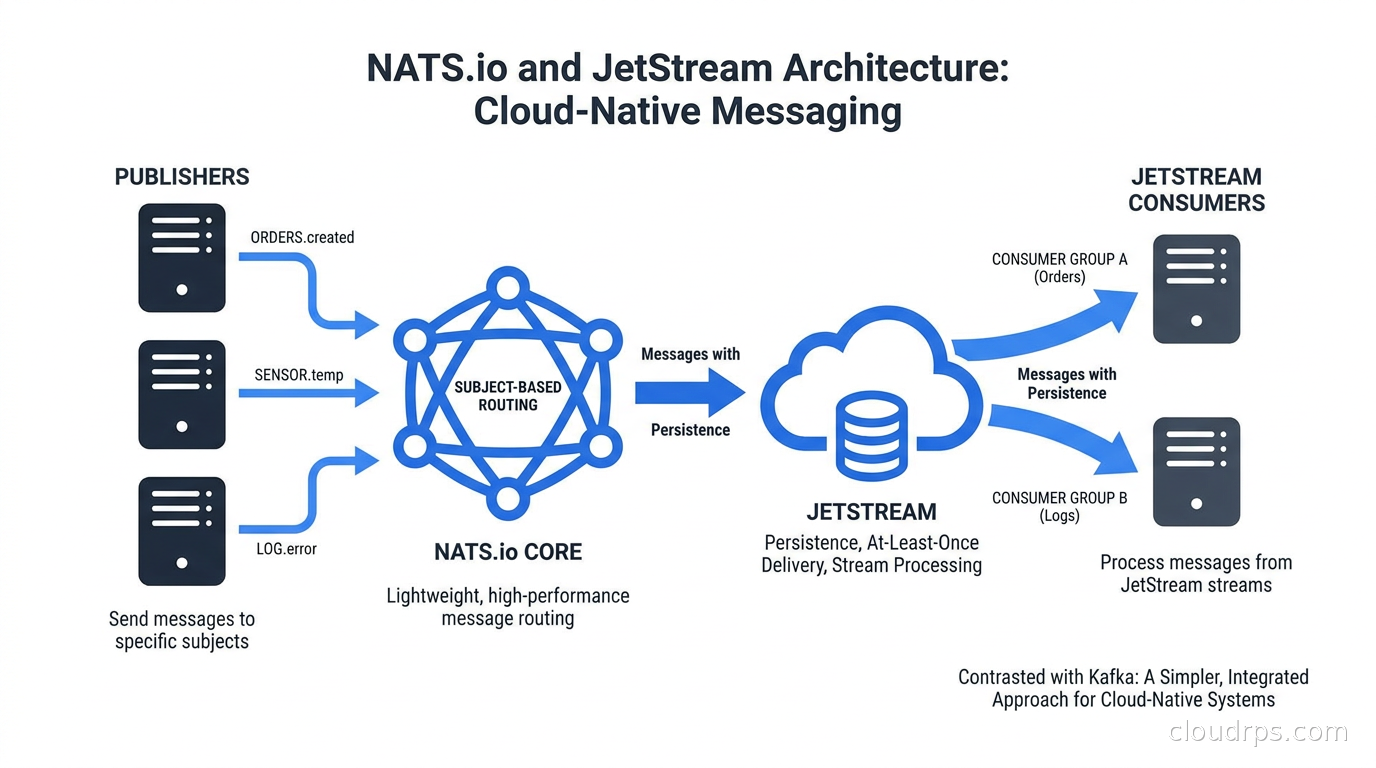
A deep dive into NATS.io and JetStream: how the lightweight pub/sub system works, when it beats Kafka, and how to deploy it in production on Kubernetes.

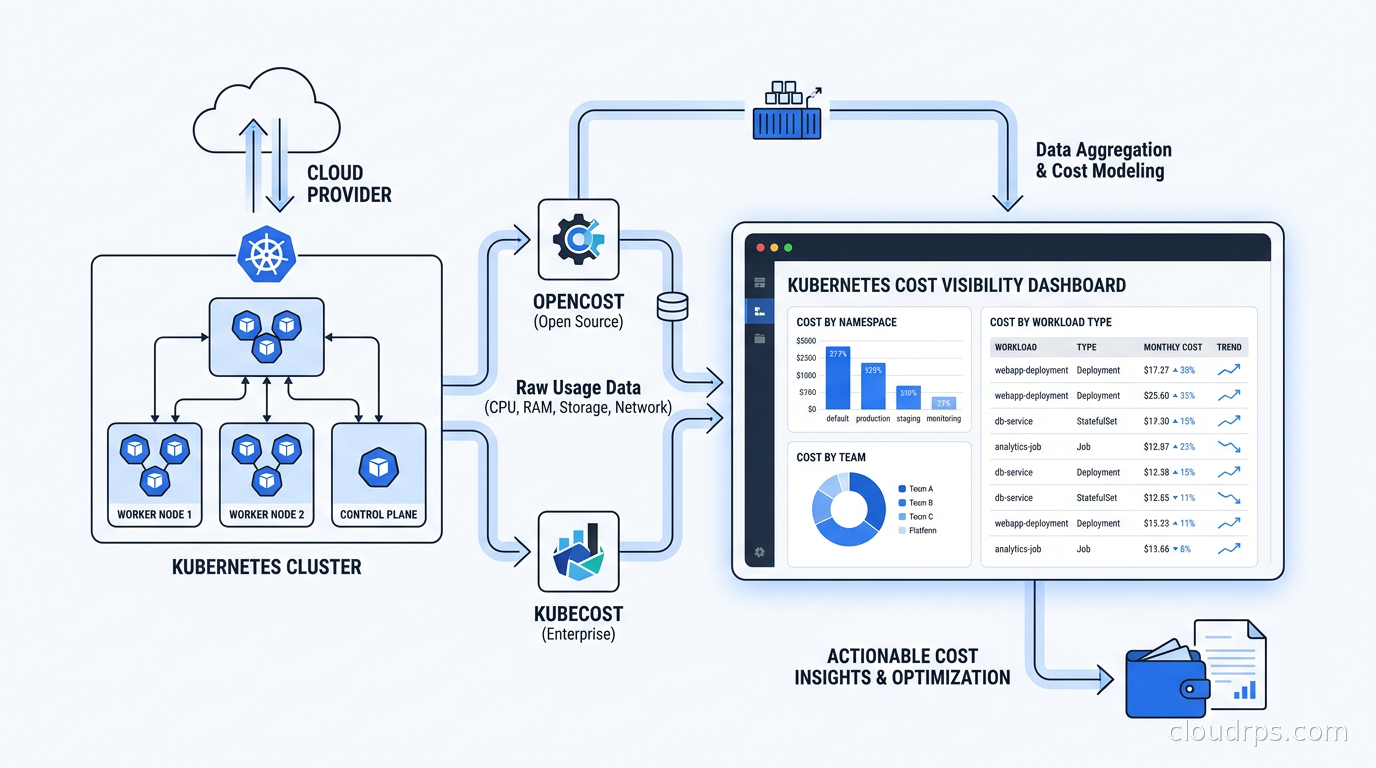
A practical guide to Kubernetes cost attribution using OpenCost and Kubecost. Learn how to implement showback and chargeback, right-size workloads, and stop overpaying for compute you are not using.

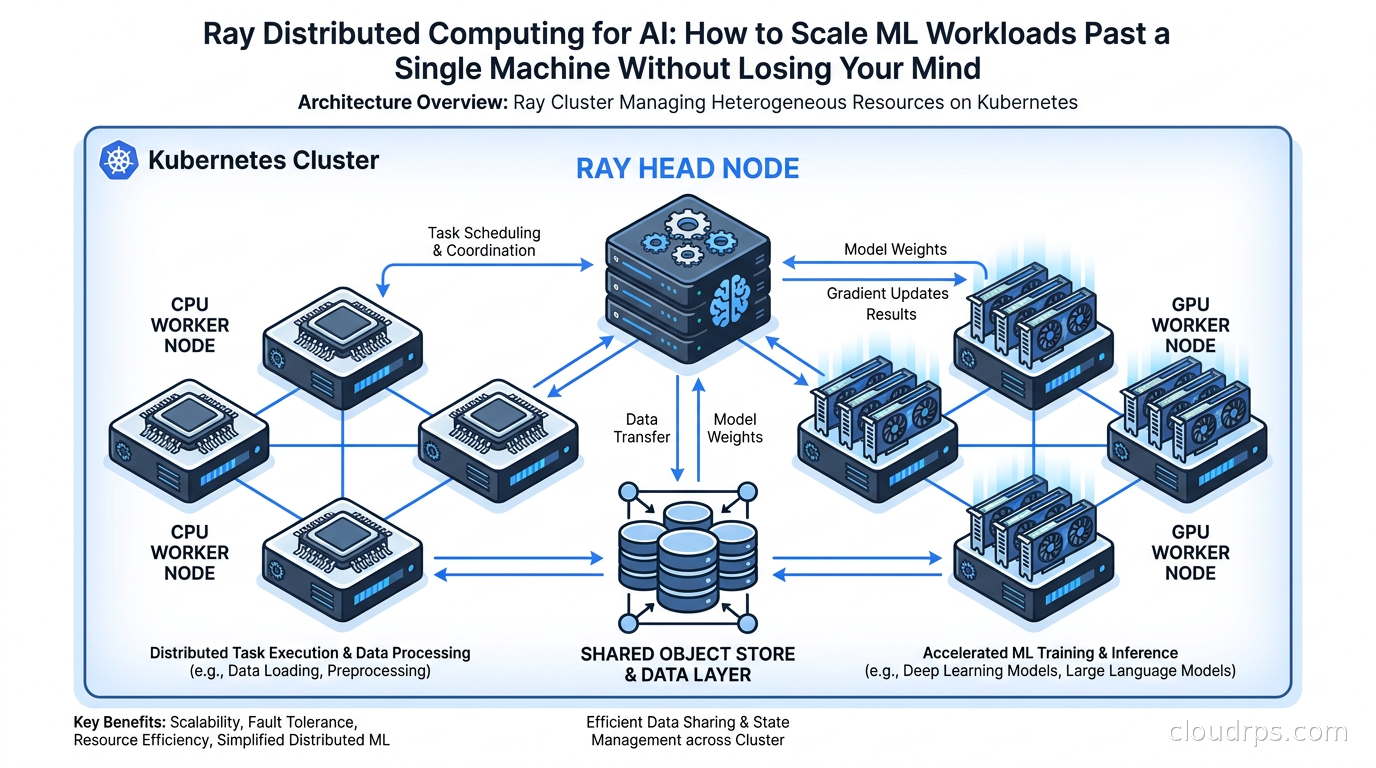
Ray is the distributed compute engine behind OpenAI, Cohere, and most serious AI labs. Here's how it actually works, how to run it on Kubernetes with KubeRay, when to use it, and when Dask or Spark is the better call.

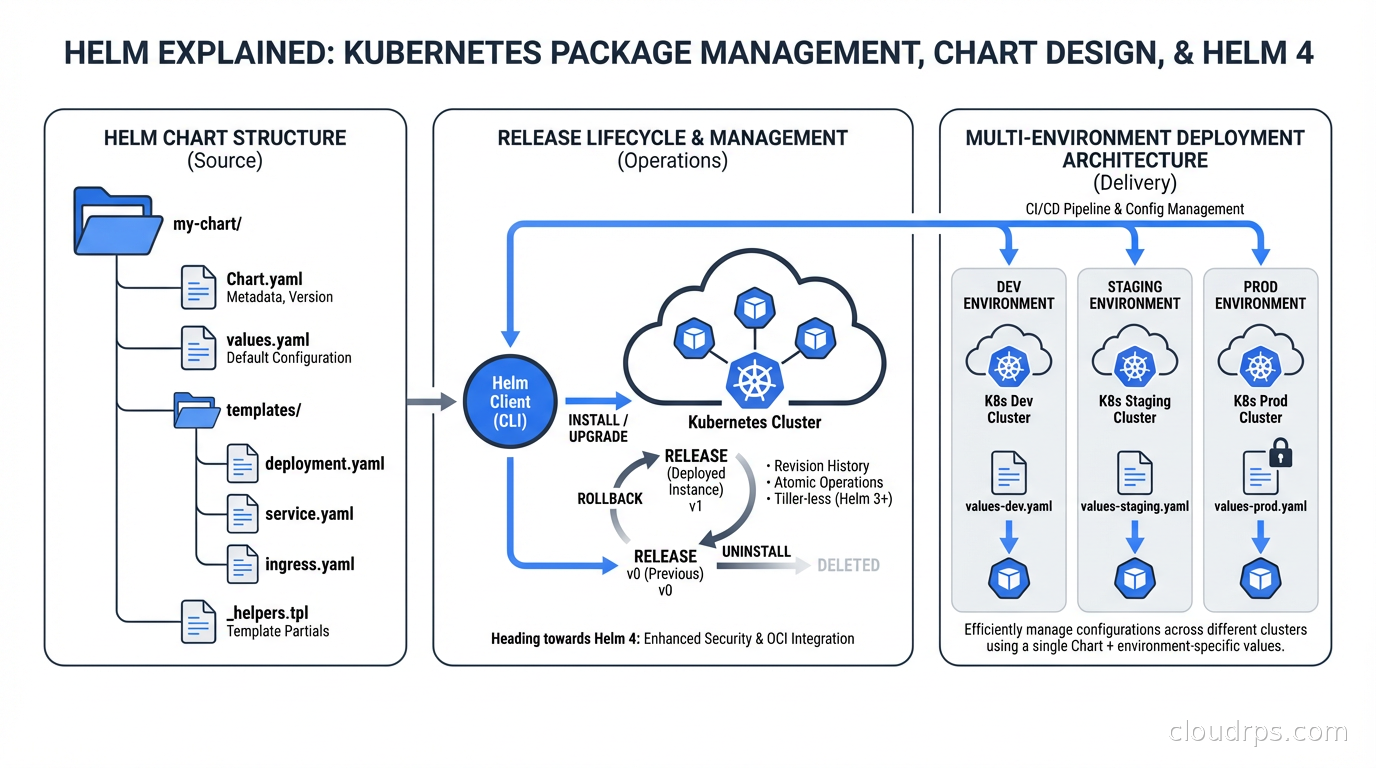
A practical guide to Helm, the de facto Kubernetes package manager: core concepts, chart design patterns, Helmfile for multi-environment management, and what Helm 4's server-side apply changes for your production clusters.

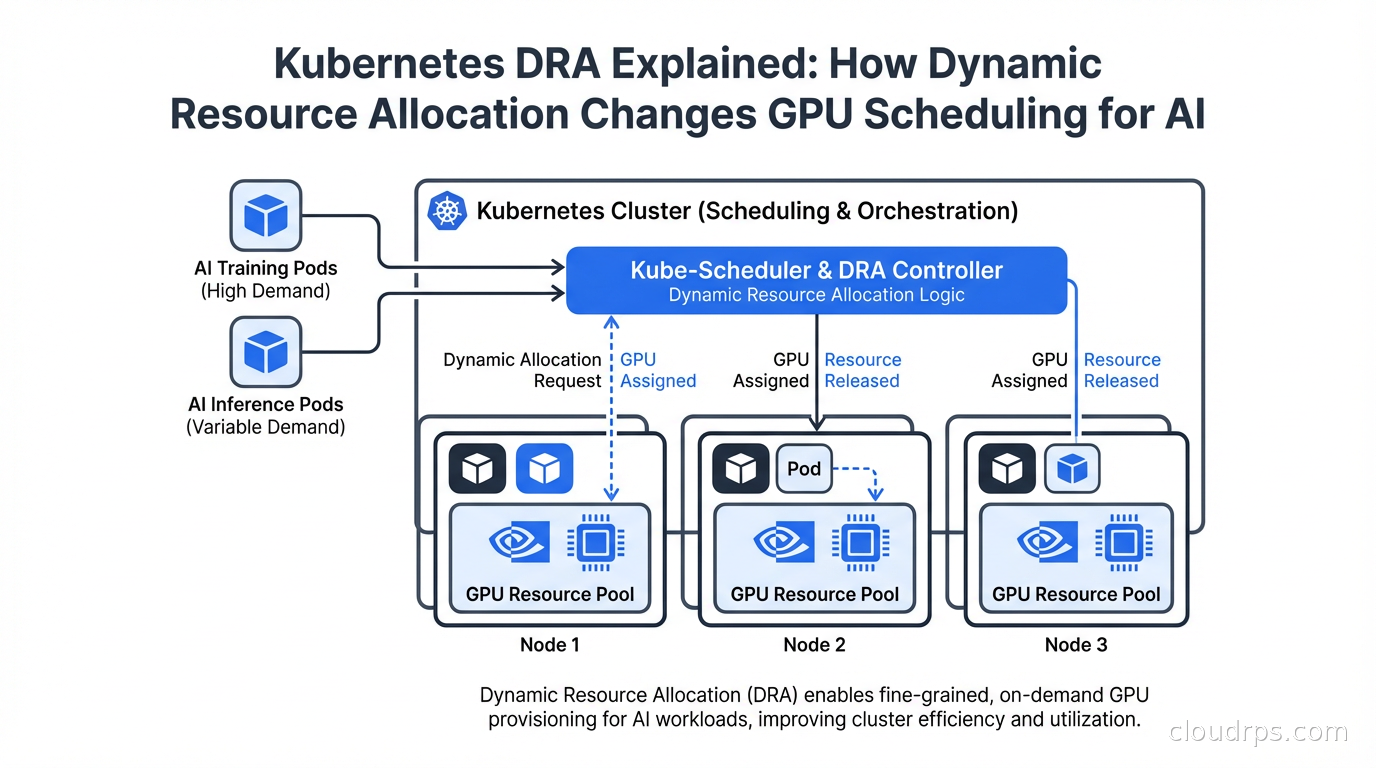
Kubernetes Dynamic Resource Allocation (DRA) graduated to GA and fundamentally changes how GPU and accelerator resources are scheduled. Here is what it means for AI infrastructure teams.

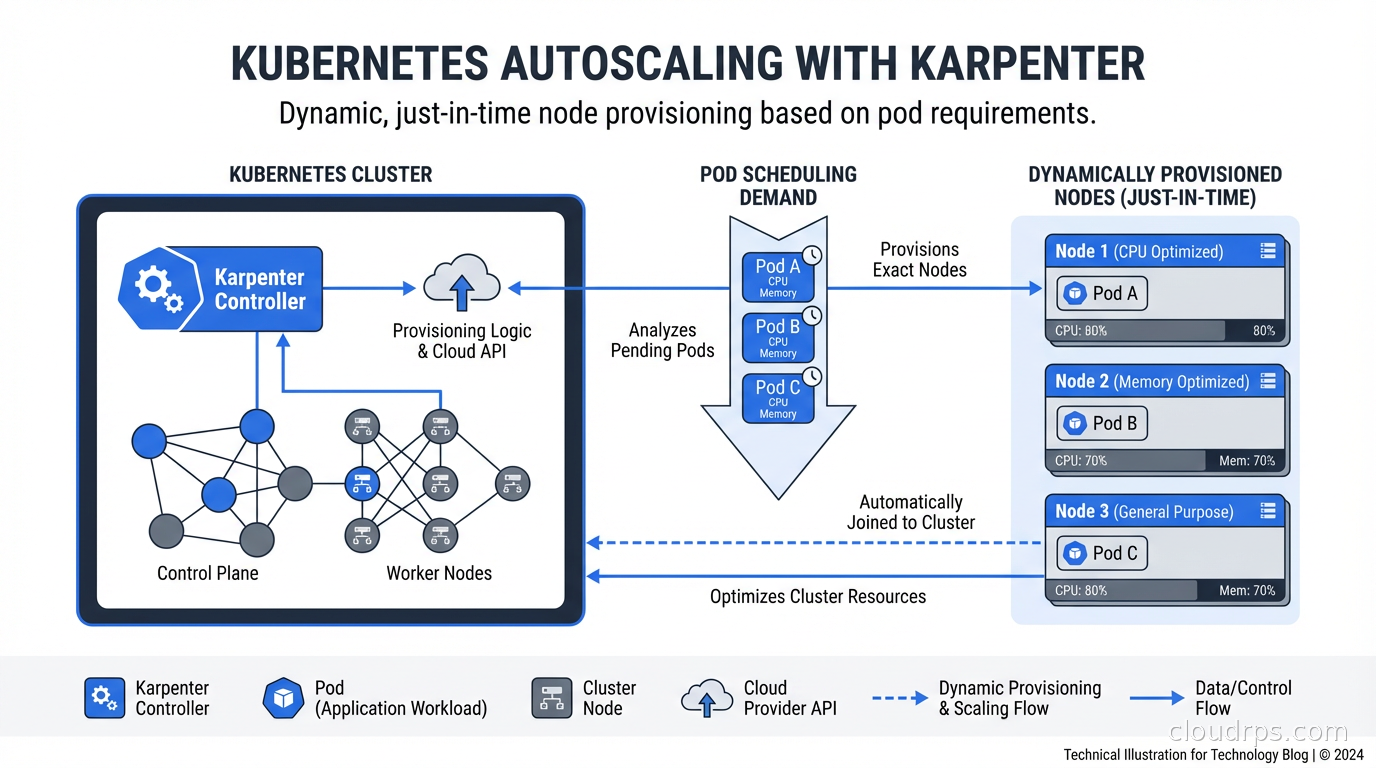
Karpenter replaces the Kubernetes Cluster Autoscaler with a faster, smarter node provisioner that cuts costs and response time. Here's how it works and why it matters.

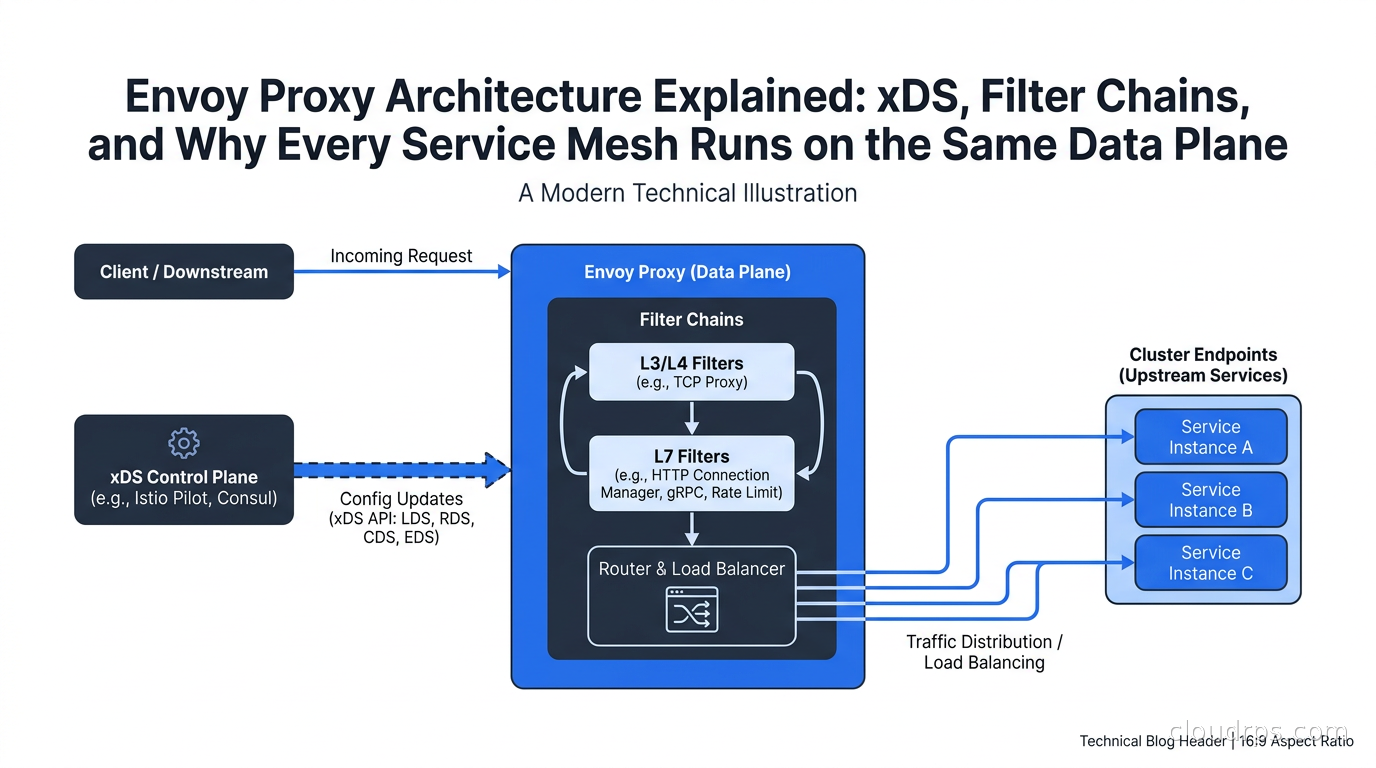
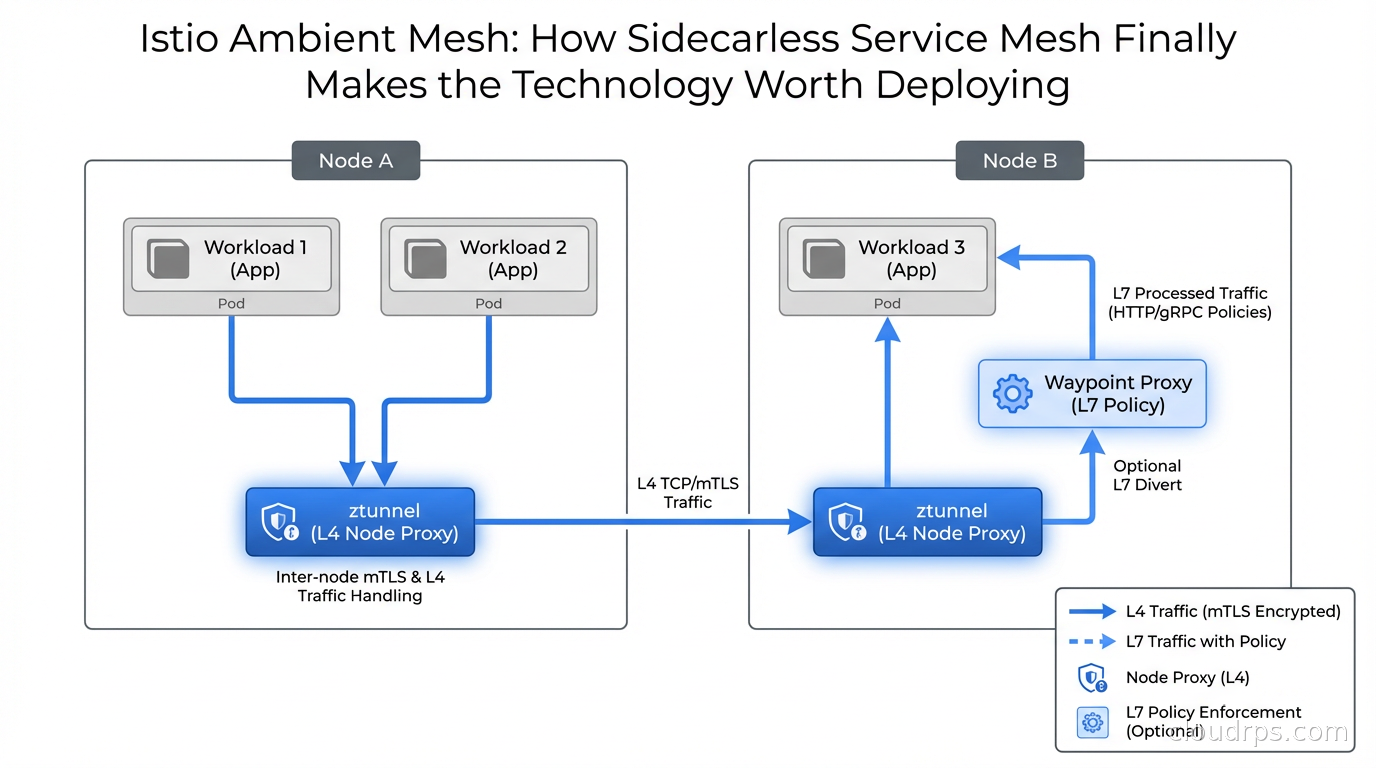
Istio ambient mesh replaces per-pod sidecars with ztunnel and waypoint proxies, cutting mesh overhead by 70%+ while delivering the same mTLS and observability guarantees. Here is how it works, when to use it, and how to migrate.

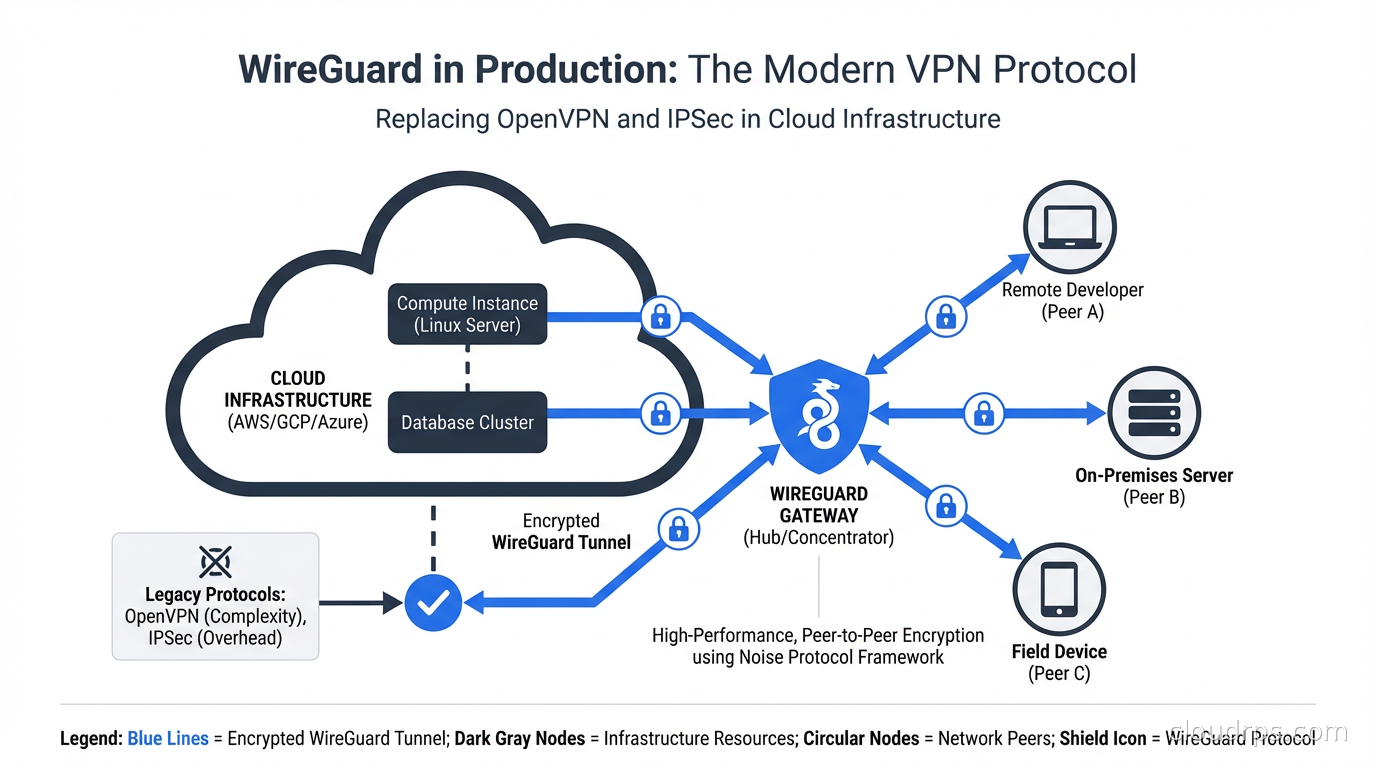
WireGuard's simple cryptographic model, blazing performance, and native Kubernetes integration make it the VPN protocol cloud infrastructure teams should be running. Here's how it actually works and how to deploy it.

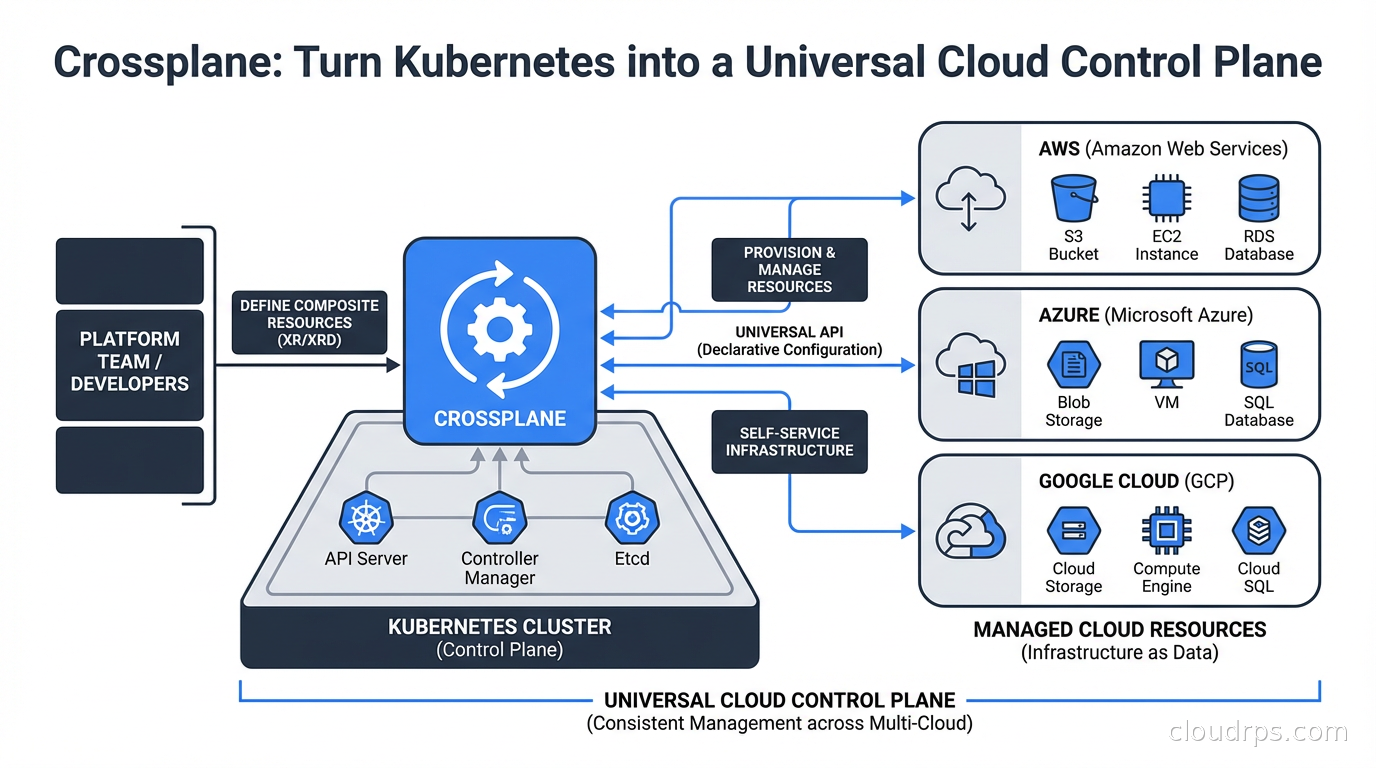
Crossplane transforms Kubernetes into a universal cloud control plane, letting platform teams build self-service infrastructure APIs without writing custom operators. Here's how it works, where it beats Terraform, and when to skip it.

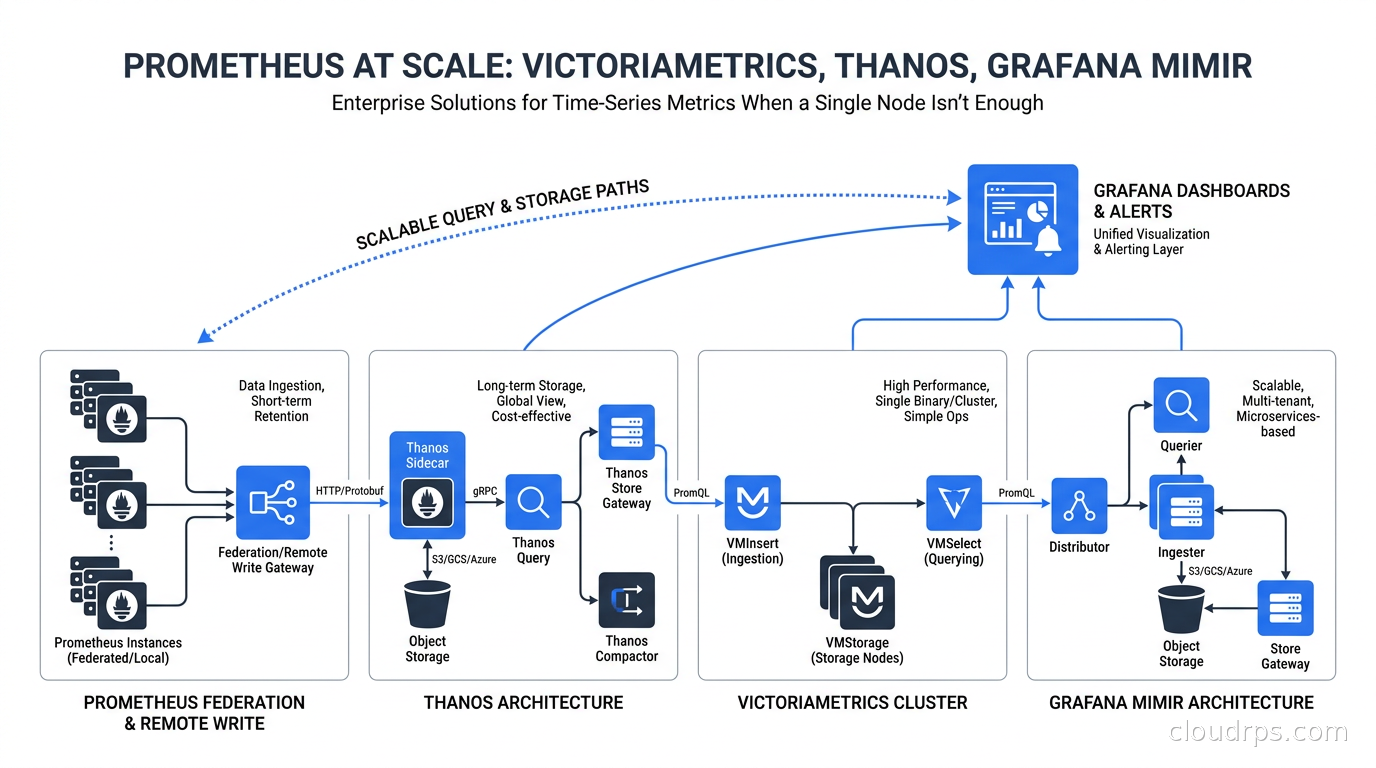
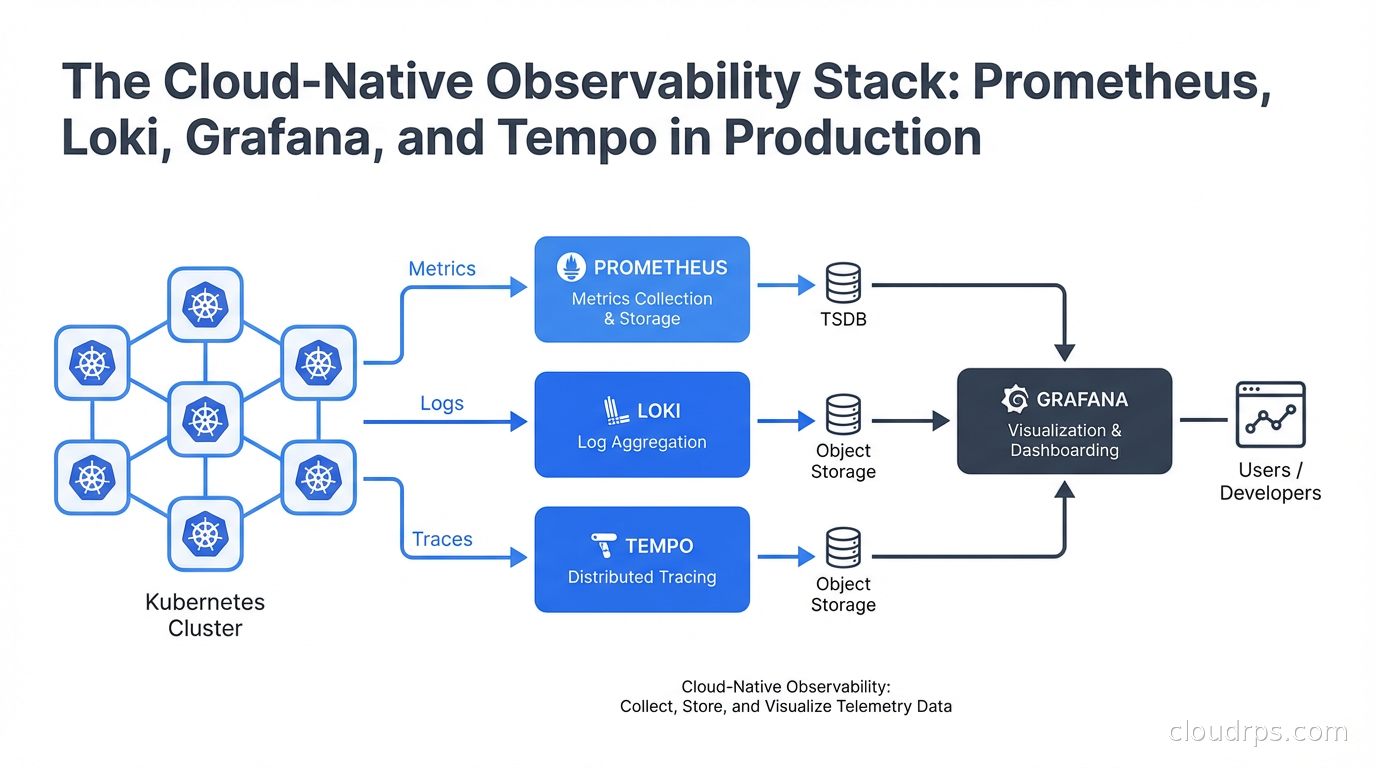
A deep-dive into building a production-grade observability stack with Prometheus, Loki, Grafana, and Tempo. Learn the architecture, scaling trade-offs, cardinality traps, and when the open-source stack beats a $40k/month SaaS bill.

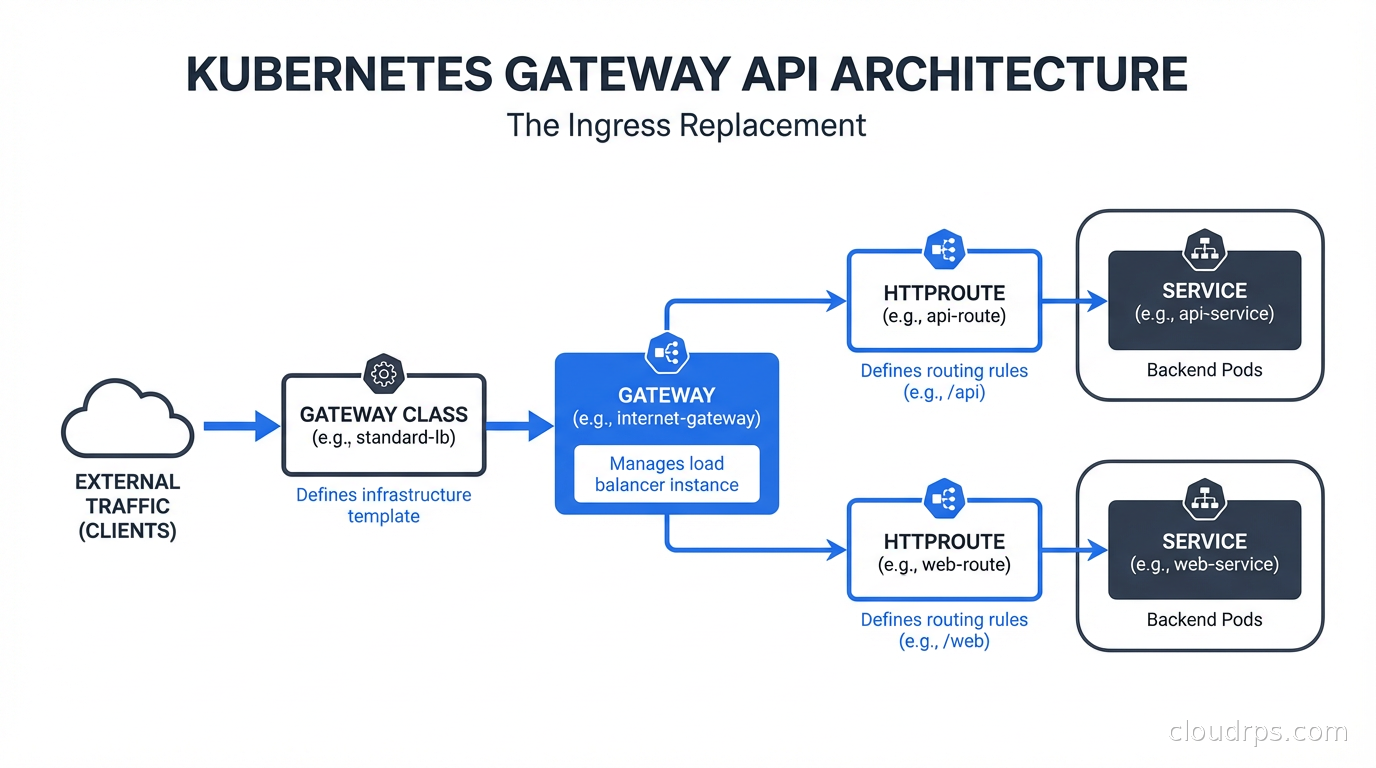
Ingress-NGINX reaches end-of-life in March 2026. Kubernetes Gateway API is the replacement, and it's architecturally superior. Here's what changes, how to migrate, and what you actually get out of the new model.

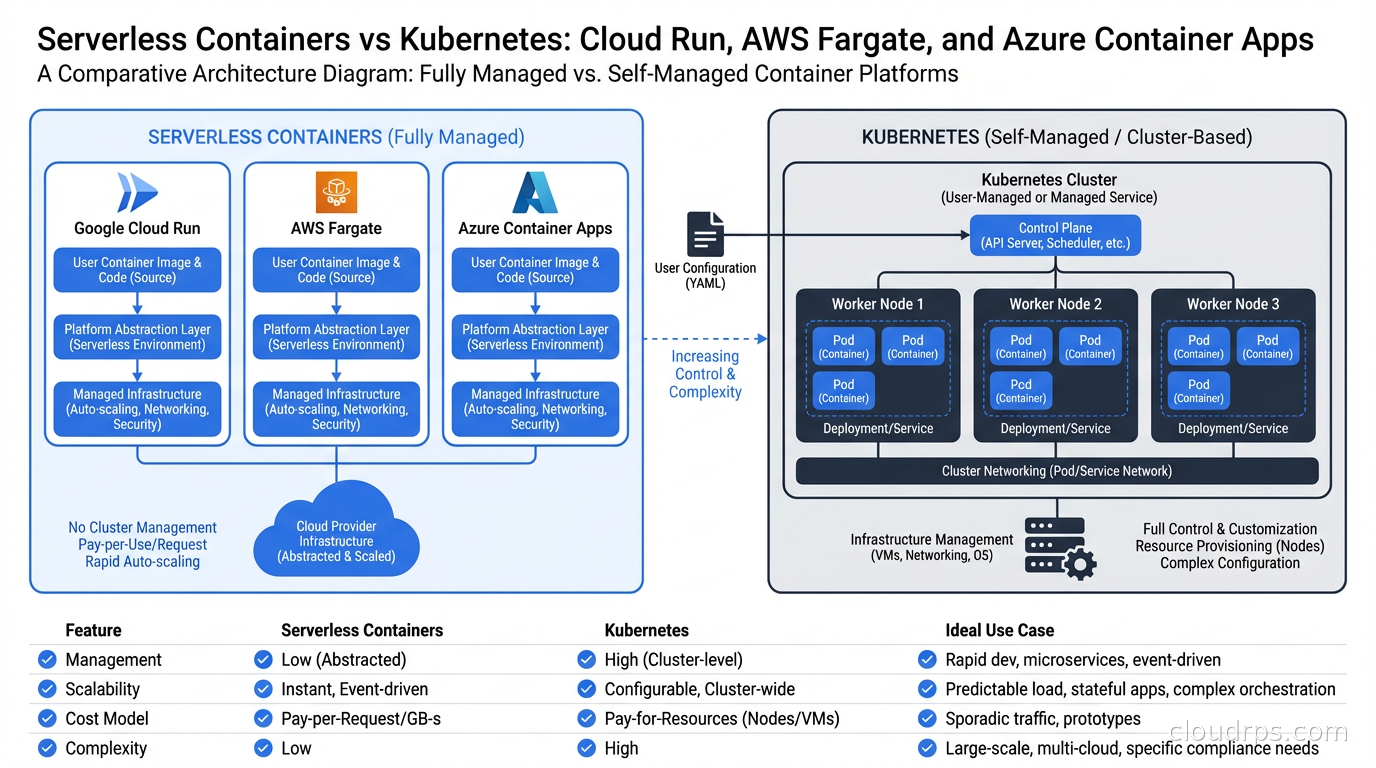
The honest guide to choosing between managed container platforms and Kubernetes: when Cloud Run, Fargate, and Container Apps save you real money and headaches, and when you actually need the real thing.

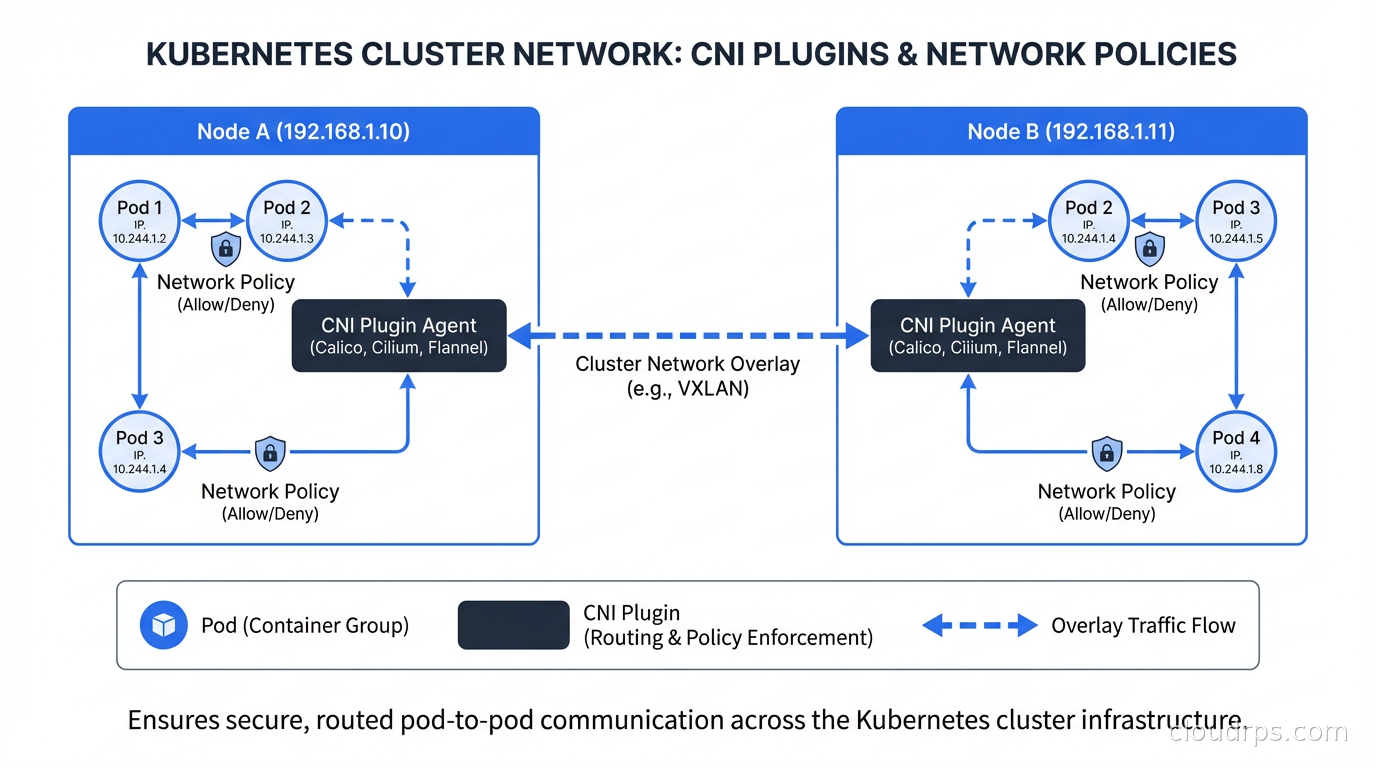
The CNI plugin you choose determines not just how pods communicate, but how you implement network security, observability, and performance in Kubernetes. Here's how to choose and use them correctly.

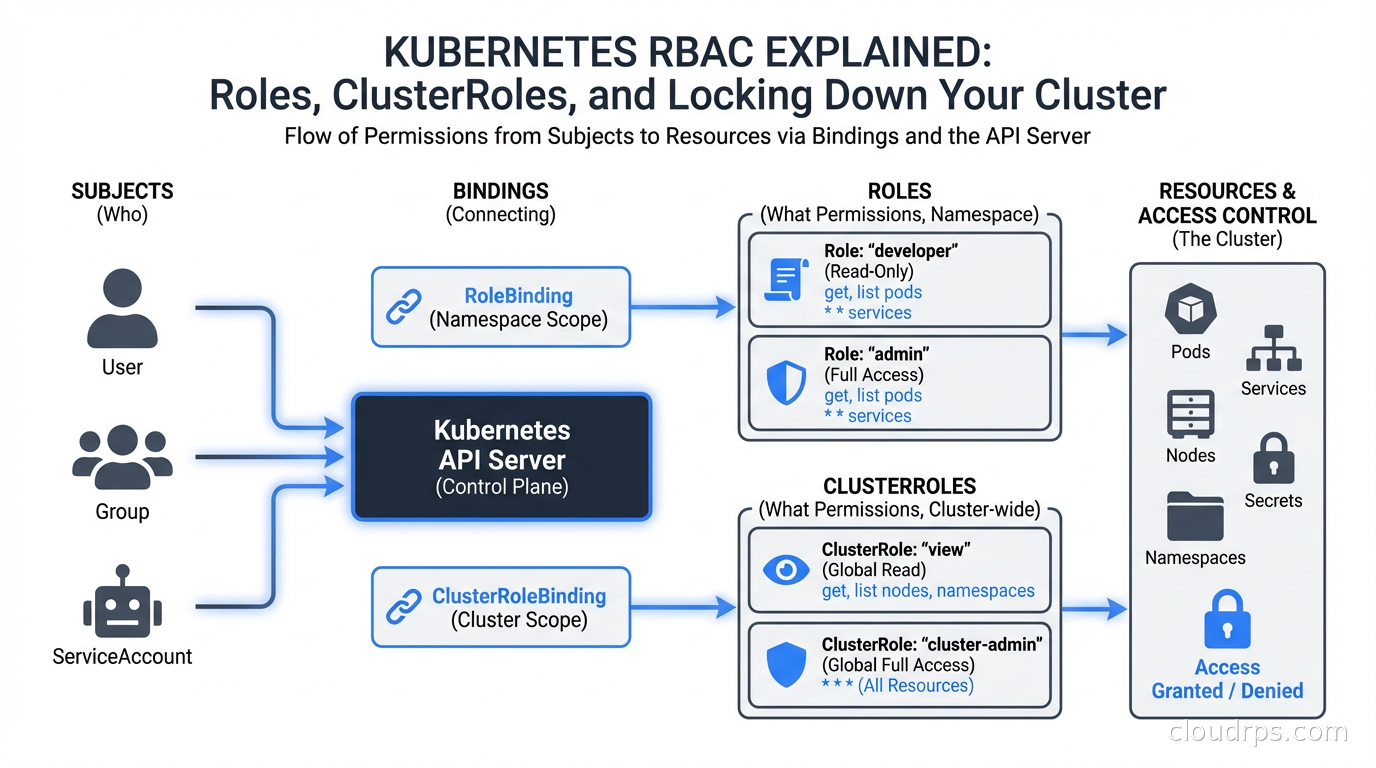
A practical guide to Kubernetes RBAC: how Roles, ClusterRoles, RoleBindings, and ServiceAccounts work, common misconfigurations that get teams compromised, and how to design least-privilege access that survives contact with your developers.

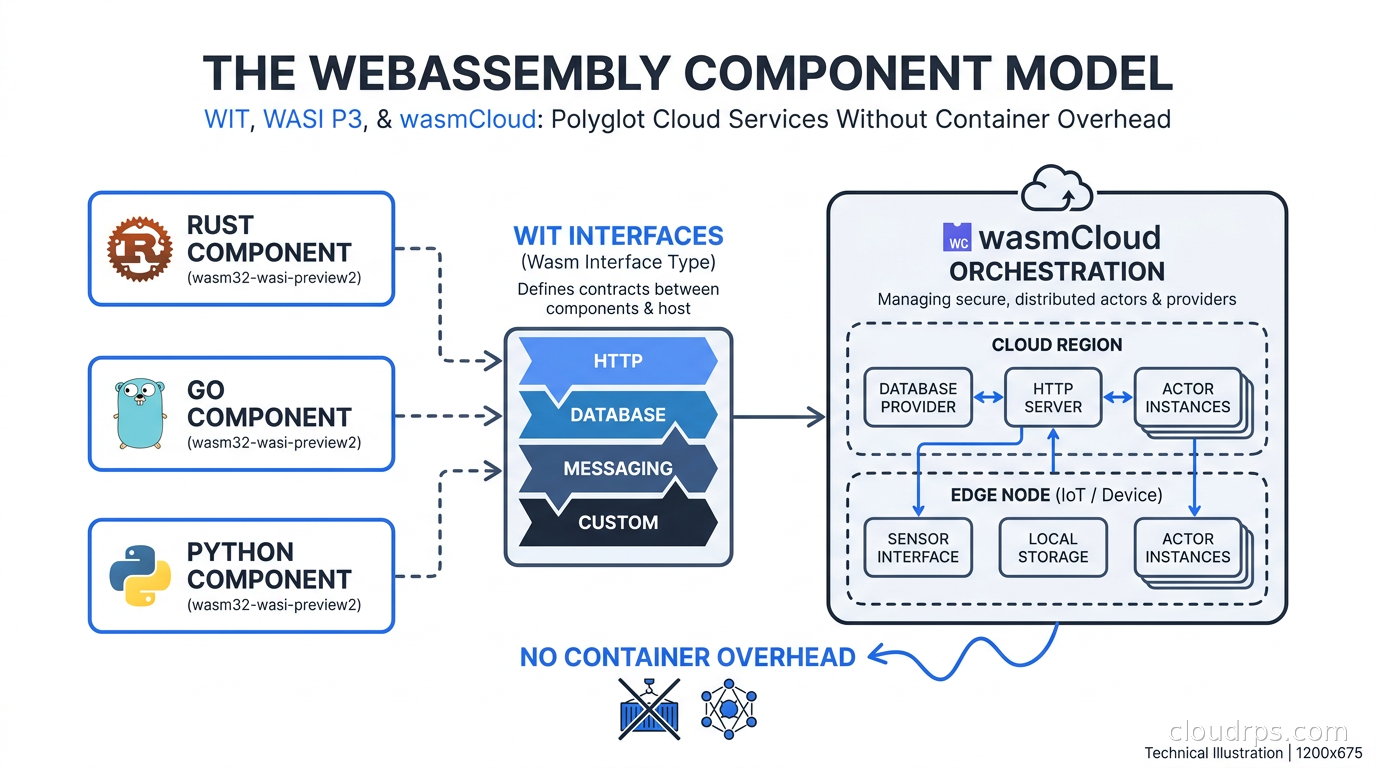
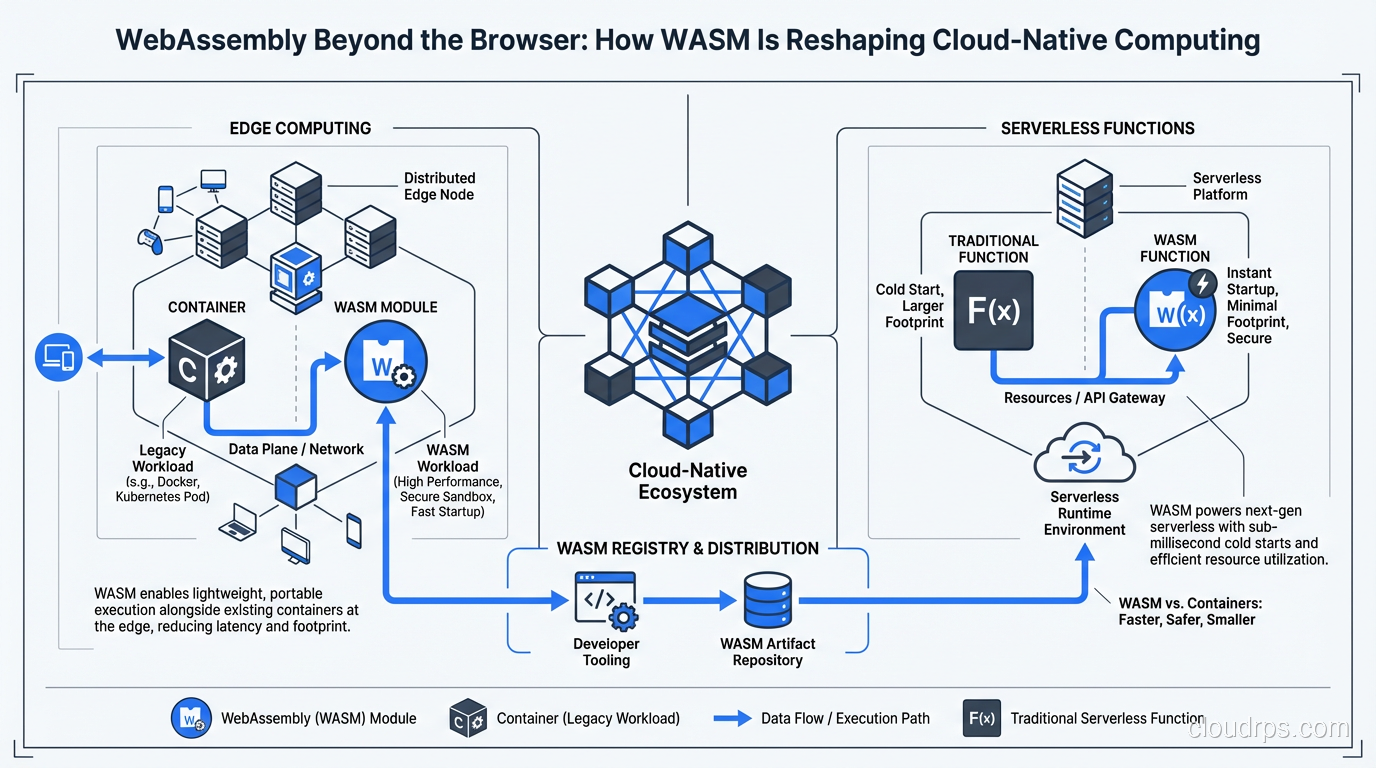
WebAssembly started as a browser technology, but its sandboxing model and near-native performance are driving adoption in serverless, edge computing, and Kubernetes. Here's what cloud engineers need to know.

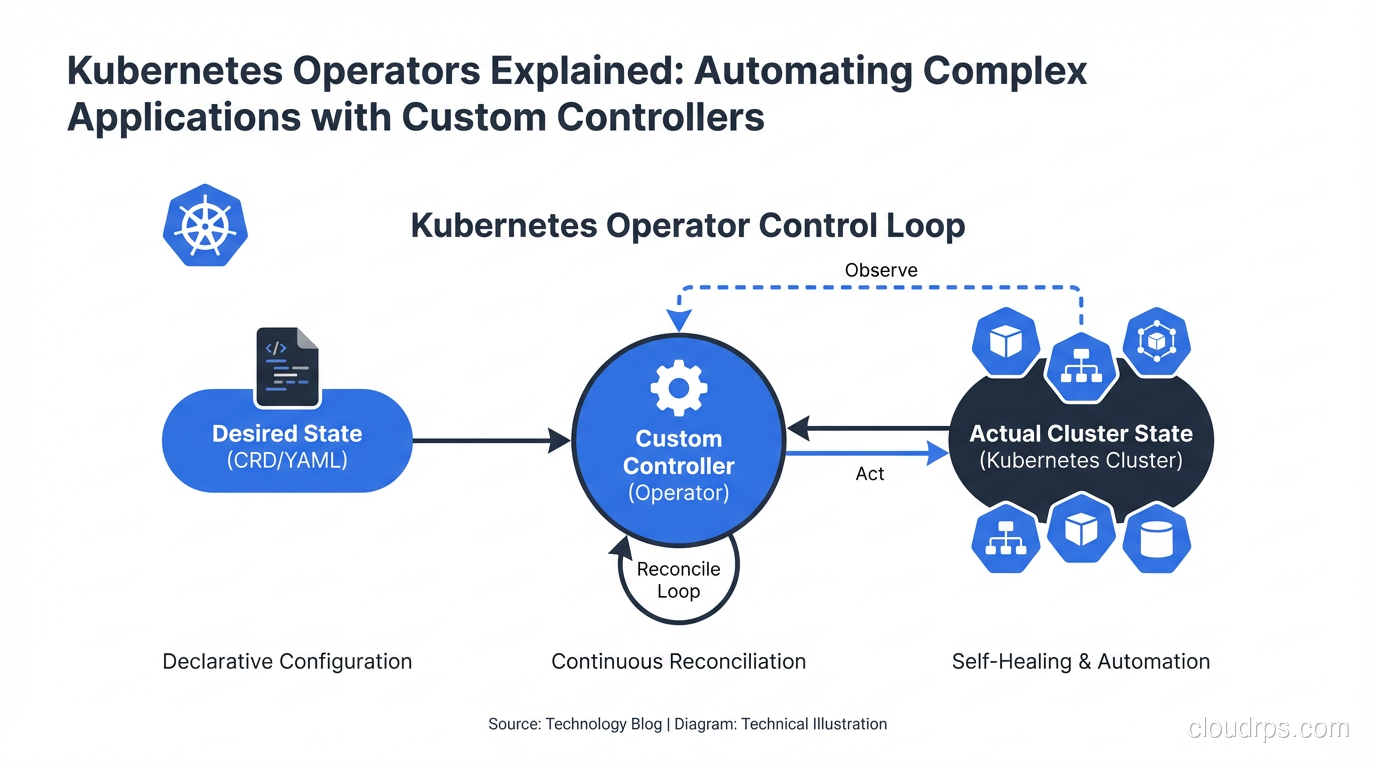
Kubernetes Operators encode operational knowledge into software. Here's how they work, when to write one, and when to use an existing operator instead of building your own.

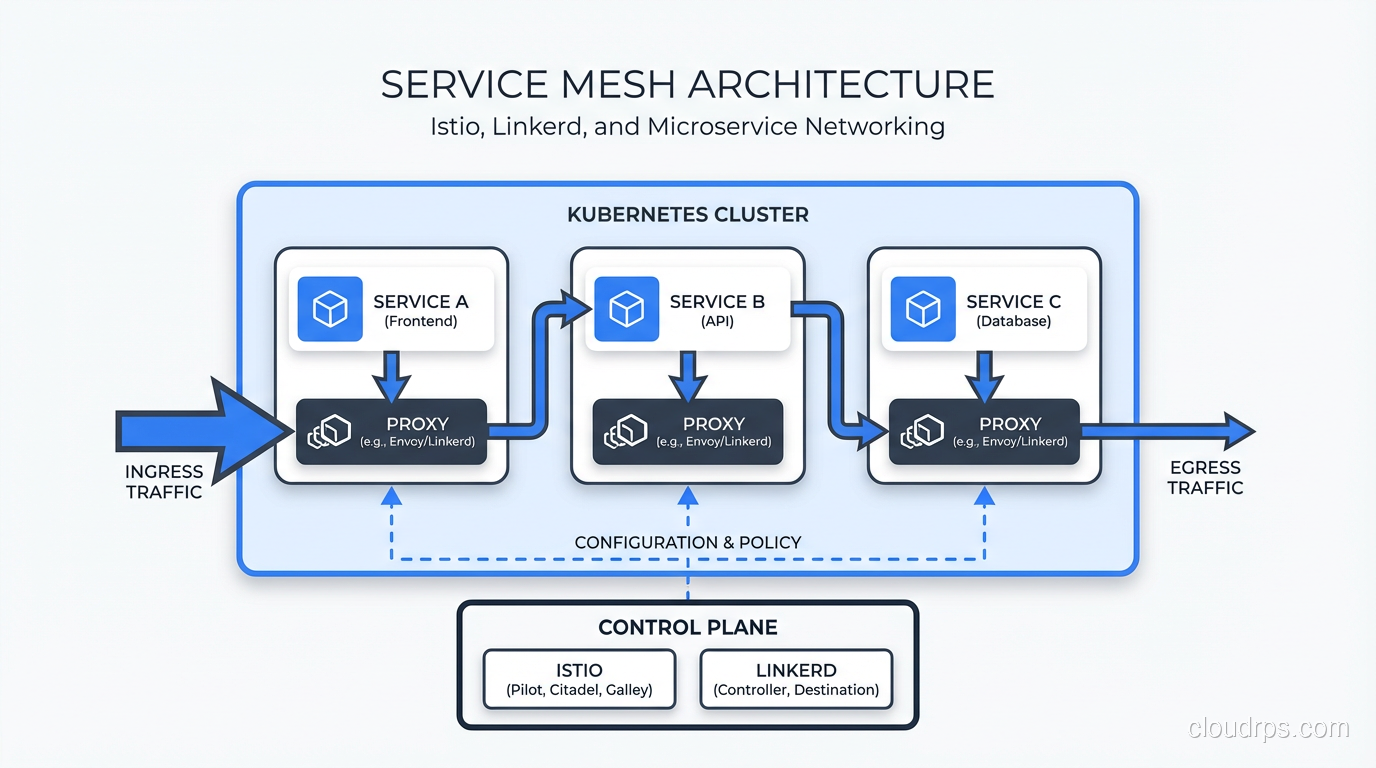
How service meshes handle the networking complexity of microservices: traffic management, mTLS, observability, and when you actually need one.

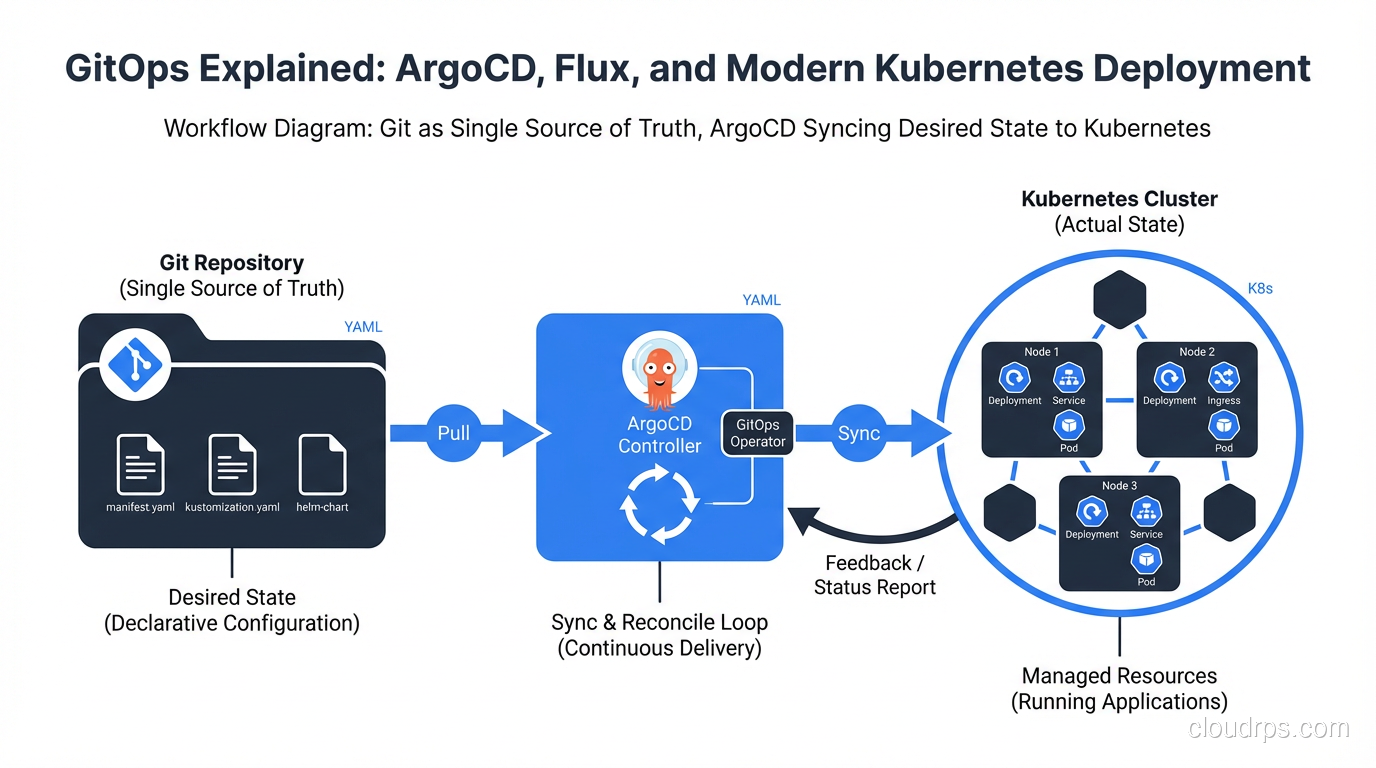
A practitioner's guide to GitOps: how to use Git as the single source of truth for infrastructure and application deployment with ArgoCD and Flux.

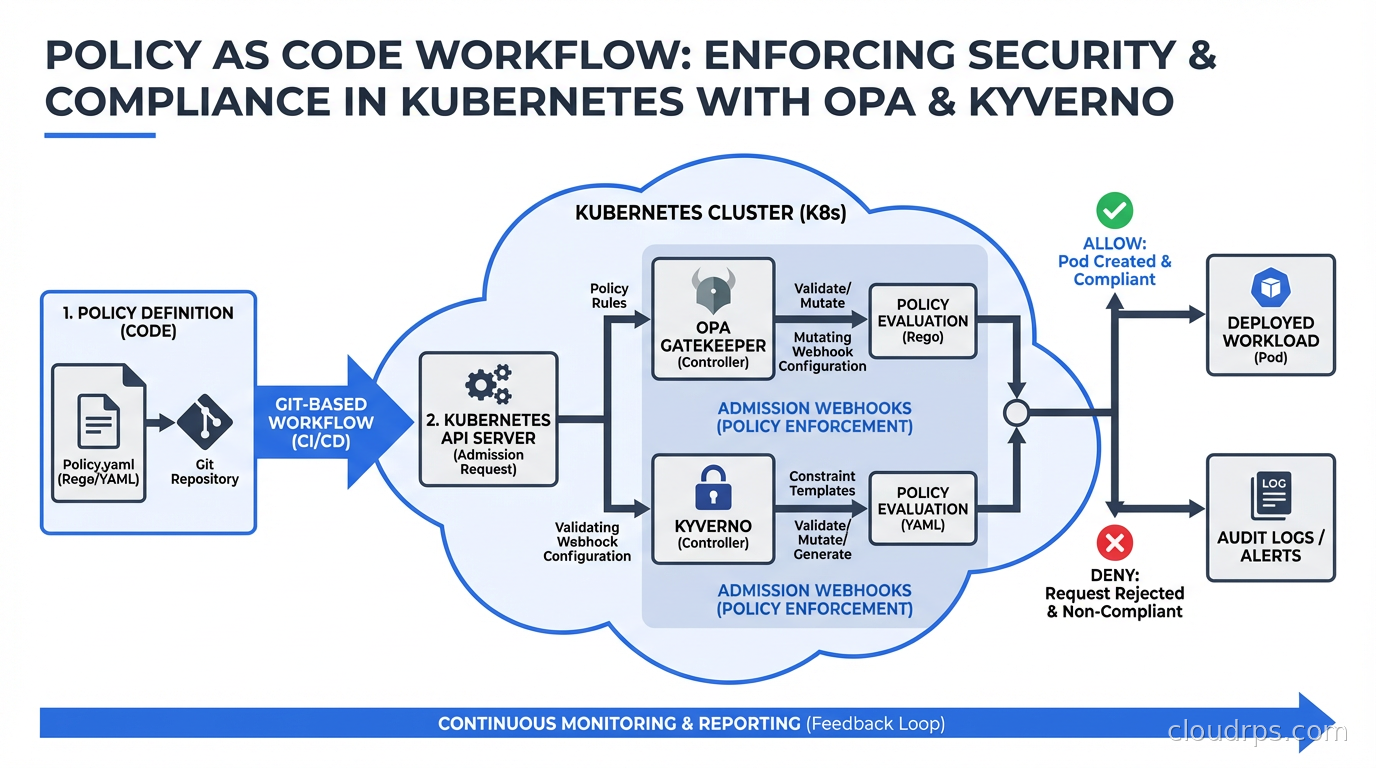
Policy as Code lets you define and enforce infrastructure rules the same way you write application code. Here's how OPA and Kyverno work, when to use each, and how to implement guardrails that actually stick.

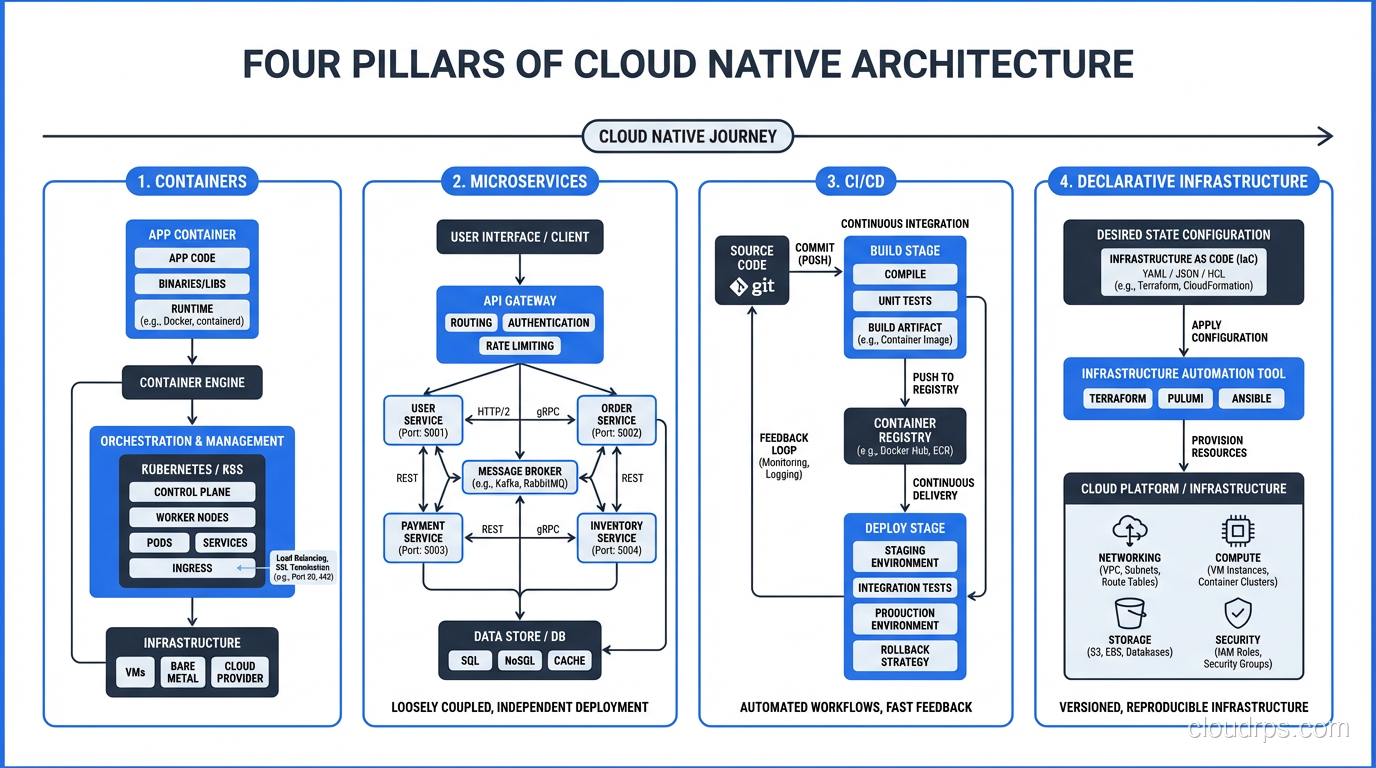
A veteran architect explains what cloud native actually means beyond the buzzwords, covering containers, microservices, CI/CD, and the architectural principles that matter.
Practical deep dives on infrastructure, security, and scaling. No spam, no fluff.
By subscribing, you agree to receive emails. Unsubscribe anytime.